
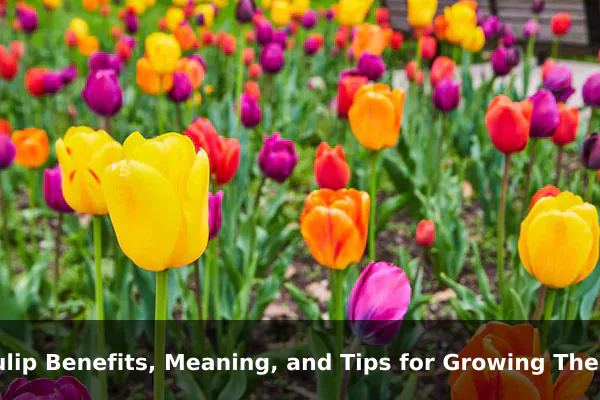
Tulips are among the most recognizable and beloved flowering plants in the world. With their bold, cup-shaped blooms and dazzling range of colors, they transform gardens, balconies, and indoor spaces into something truly spectacular every spring. Whether you are a seasoned gardener or just starting out, tulips offer a rewarding growing experience that combines visual beauty with rich cultural meaning.
Beyond their obvious charm, tulips carry surprising benefits for both the home and the environment. From brightening living spaces to attracting early pollinators and improving curb appeal, these elegant flowers punch well above their weight. This guide covers the symbolism behind different tulip colors, the practical benefits they offer, and clear tips for planting and caring for them successfully.
What Makes Tulips So Popular?
Tulips (Tulipa spp.) belong to the lily family and are native to Central Asia, though they became iconic after being cultivated extensively in the Netherlands during the 17th century. Today, the Netherlands remains the world’s largest tulip producer, and the flower is recognized globally as a symbol of spring renewal.
Part of their enduring popularity comes from versatility. Tulips work equally well in formal garden borders, casual cottage gardens, container pots, and cut flower arrangements. Their bloom season — late winter through mid-spring — fills the gap when most other garden flowers are still dormant, making them especially welcome after a long, grey winter.
A Flower for Every Taste
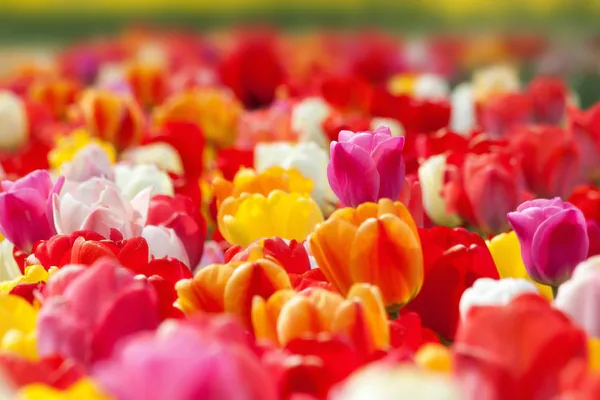
Tulips come in nearly every color imaginable, from classic red and sunny yellow to deep purple, soft lavender, and near-black. With thousands of registered cultivars and new varieties introduced every year, there is a tulip suited to virtually every garden style and personal preference.
Benefits of Tulips for Homes and Gardens
Growing tulips is not just about aesthetics. These flowers deliver practical benefits that make them worth adding to any outdoor or indoor space.
Visual and Emotional Benefits
The most immediate benefit of tulips is the mood they create. Being around flowers reduces stress and improves emotional well-being, and tulips — with their vibrant, uplifting colors — are particularly effective at lifting spirits during early spring. As cut flowers, tulips last one to two weeks in a vase, making them excellent for home decor without significant cost or effort.
Garden and Environmental Value
In the garden, tulips deliver several ecological benefits worth noting:
- Pollinator support: Tulips attract bees and other early-season pollinators critical for broader garden health.
- Seasonal color: They fill the spring color gap before summer perennials take over.
- Landscaping impact: Mass tulip plantings create dramatic visual effects that increase a property’s curb appeal.
- Companion planting: Tulips pair naturally with perennials like hostas that emerge just as tulip foliage dies back, creating a layered, low-maintenance look.
Tulip Meaning and Symbolism
Tulips carry a rich symbolic history. In the language of flowers, they are associated with deep love, passion, and elegance. The tulip holds national significance in both Turkey and the Netherlands, representing prosperity and cultural pride in each country.
Color Meanings at a Glance
Different tulip colors carry distinct meanings, making them thoughtful choices for gifts or intentional garden design:
- Red tulips: True love and passion — a classic romantic gesture.
- Yellow tulips: Cheerfulness and friendship — ideal for uplifting someone’s day.
- Pink tulips: Caring, affection, and happiness — a warm and gentle gift.
- White tulips: Purity and new beginnings — often chosen for weddings and memorials.
- Purple tulips: Royalty and admiration — a sophisticated choice for elegant arrangements.
Best Tulip Types to Grow
With thousands of varieties available, beginners often feel overwhelmed. A few key groups are reliably easy to grow and widely available at garden centers and bulb suppliers.
- Single Early Tulips: Compact, sturdy, and weather-resistant. They bloom early and hold up well in pots.
- Darwin Hybrid Tulips: Large flowers on tall, strong stems — excellent for borders and cutting gardens.
- Triumph Tulips: Mid-season bloomers with classic tulip shapes. One of the most versatile groups for any garden style.
- Parrot Tulips: Ruffled, exotic petals in striking color combinations — great for dramatic garden displays.
- Species (Botanical) Tulips: Small but tough. These naturalize well and return reliably year after year with minimal intervention.
If you are limited on space, Single Early and Triumph tulips perform especially well in containers and window boxes.
How to Grow Tulips Successfully
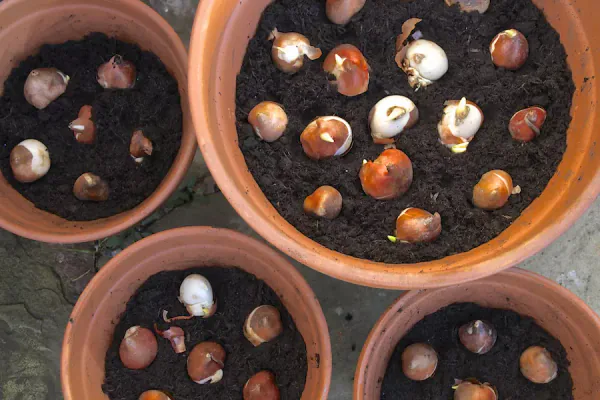
Growing tulips is straightforward when you follow the right steps. Most mistakes happen at planting, so getting this stage right sets the foundation for a rewarding spring display.
Choosing and Storing Bulbs
Buy firm, plump bulbs with no visible mold or soft spots. Larger bulbs generally produce larger, more impressive flowers. Store bulbs in a cool, dry, dark place until planting time, and keep them away from ripening fruit — ethylene gas released by fruit can damage bulbs before they are planted.
When and How to Plant
- Timing: Plant tulip bulbs in autumn, ideally 6–8 weeks before the ground freezes — typically October or November in temperate climates.
- Soil: Tulips need well-draining soil. Amend heavy clay with grit or sand to prevent waterlogging and bulb rot.
- Depth: Plant bulbs at 2–3 times their own height — typically 15–20 cm (6–8 inches) deep.
- Spacing: Space bulbs 10–15 cm (4–6 inches) apart for a full, lush display.
- Sun: Choose a spot with at least 6 hours of direct sunlight per day.
- Watering: Water once after planting, then allow rainfall to take over unless conditions are exceptionally dry.
Cold Climate Requirement
Tulips need a cold dormancy period to bloom properly. In areas with mild winters (USDA zones 8 and warmer), bulbs must be pre-chilled in the refrigerator for 12–16 weeks before planting to simulate natural cold exposure.
Tulip Care Tips After Planting
Once your tulips are in the ground, ongoing care is minimal but important for long-term success.
- Feeding: Apply a slow-release bulb fertilizer at planting time and again in early spring as shoots appear.
- Deadheading: Remove spent blooms as soon as they fade to direct energy back into the bulb rather than seed production.
- Let foliage die back naturally: Resist cutting back leaves after blooming ends. They need 6–8 weeks to photosynthesize and recharge the bulb for next year’s display.
- Bulb storage: In wet climates, lift bulbs after the foliage dies back, dry them out thoroughly, and store in a cool, airy spot until the following autumn.
Common Problems and How to Avoid Them
Bulb Rot
The most common tulip problem is bulb rot caused by waterlogged soil. Always plant in well-draining spots, and consider raised beds if your garden has heavy clay soil.
Failure to Bloom
Tulips may not bloom if bulbs were planted too shallow, soil stayed too warm through winter, cold exposure was insufficient, or foliage was removed too early the previous year. Address each of these at planting time to avoid disappointment.
Pests
Squirrels and mice are the primary threats to tulip bulbs. Cover planting areas with wire mesh just below the soil surface to deter them. Aphids and slugs may target emerging shoots in spring — treat early with organic controls for best results.
Weak or Floppy Stems
This often signals too much shade or an unsuitable variety for your climate. Darwin Hybrid and Triumph types are among the most stem-sturdy options for beginners dealing with challenging growing conditions.
Are Tulips Right for Your Garden?
If you want a flower that delivers maximum visual impact with minimal ongoing effort, tulips are one of the best choices you can make. The initial investment in quality bulbs pays off quickly with a spring display that is difficult to match with any other flowering plant.
Tulips suit virtually any garden size — from large borders to small balcony pots. Beginners will find species tulips and Darwin Hybrids particularly forgiving and reliable year after year. For those drawn to the meaning behind flowers, the wide range of tulip colors makes them one of the most expressive plants you can grow. Plant a handful of bulbs this autumn, and by spring you will understand exactly why tulips have been cherished for centuries.
