
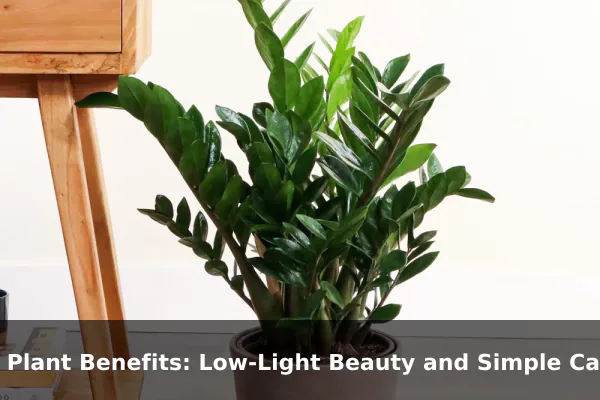
The ZZ plant (Zamioculcas zamiifolia) has quietly become one of the most popular indoor plants in the world, and its rise is no accident. With arching stems dressed in waxy, deep-green leaves, it brings genuine elegance to any room without asking much in return. Whether you are a first-time plant parent, a frequent traveller, or simply someone who forgets to water, the ZZ plant seems almost designed for your lifestyle.
What sets this plant apart is how it combines good looks with near-indestructible resilience. It tolerates low-light conditions where most houseplants decline, survives long gaps between watering, and stays tidy without constant pruning. This guide covers the key ZZ plant benefits alongside a straightforward care routine so you can enjoy thriving foliage from day one.
Why the ZZ Plant Stands Out Indoors
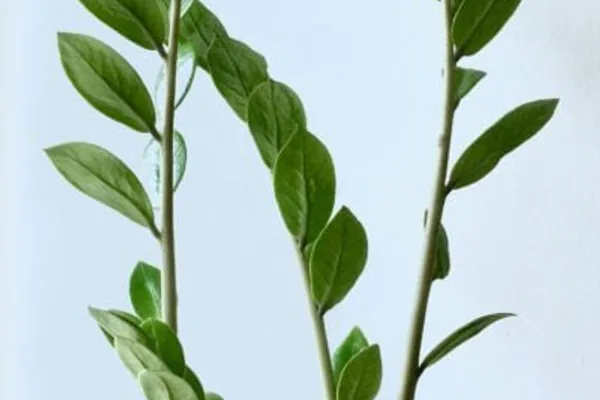
Native to the dry forests and grasslands of eastern Africa, the ZZ plant evolved to endure drought, poor soils, and limited sunlight. Those survival traits translate directly into a houseplant that handles indoor neglect with grace. Its thick underground rhizomes act as water reservoirs, sustaining the plant through dry spells that would wilt most competitors.
Visually, few low-maintenance plants can match its appeal. The oval leaflets are naturally glossy, catching ambient light and staying clean-looking for weeks at a time. Mature plants develop an open, fountain-like silhouette that works equally well in a ceramic floor pot, on a desk corner, or tucked into a dim entryway.
Appearance and Growth Habit
- Height: Typically 60–90 cm indoors, growing slowly and staying tidy
- Leaves: Dark green, waxy, and thick — stays attractive year-round without seasonal die-back
- Growth rate: Slow to moderate; rarely needs pruning
- Varieties: Classic deep green and the striking deep-purple Raven ZZ cultivar
Top ZZ Plant Benefits for Everyday Living
The ZZ plant delivers more than aesthetic value. Its practical benefits make it one of the most sensible indoor plants you can own, especially in challenging light conditions or for people with unpredictable schedules.
Exceptional Low-Light Tolerance
The most celebrated ZZ plant benefit is its ability to survive and even grow in genuinely low-light environments. Offices lit entirely by fluorescent bulbs, north-facing rooms, and dim corridors are all suitable locations. While moderate indirect light produces faster growth, the plant will not decline in shadowy corners where other houseplants quickly fade.
Drought Resistance and Forgiving Watering Gaps
Because the ZZ plant stores water in its rhizomes, it can go one to three weeks between watering sessions without any visible stress. This makes it ideal for busy households, students, frequent travellers, or anyone who finds daily plant care difficult to maintain consistently.
Long-Lasting, Tidy Foliage
Unlike flowering plants that drop petals or herbs that need regular harvesting, ZZ plant leaves remain on the stems for months. The plant rarely sheds unless stressed, so it maintains a clean, polished look with minimal intervention. A quick monthly wipe of the leaves keeps it looking its best.
Naturally Pest-Resistant
The thick, waxy leaf surface acts as a physical barrier against common pests such as spider mites, mealybugs, and fungus gnats. While no plant is completely immune, ZZ plants rarely suffer serious infestations. This reduces the need for pesticide treatments and makes the plant an easy companion for cleaner indoor spaces.
How Low Light Affects ZZ Plant Growth
Understanding low light properly is key to placing your ZZ plant in the right spot. Low light means indirect, ambient light — rooms far from a window, spaces with north-facing windows, or areas where natural light is partially obstructed. It does not mean complete darkness, and it does not mean direct sun, which can actually scorch the leaves.
Light Placement Guide
- Best position: 1–3 metres from a bright east- or west-facing window with indirect light
- Acceptable: North-facing room with consistent ambient daylight
- Avoid: Direct afternoon sun through south-facing glass or complete darkness
- Artificial light: Thrives under standard fluorescent and LED office lighting
In very low light, expect slow growth — sometimes only a few new leaves per year. This is entirely normal. Avoid compensating with extra water or fertiliser, as these responses cause more damage than reduced light ever would.
Simple ZZ Plant Care Basics
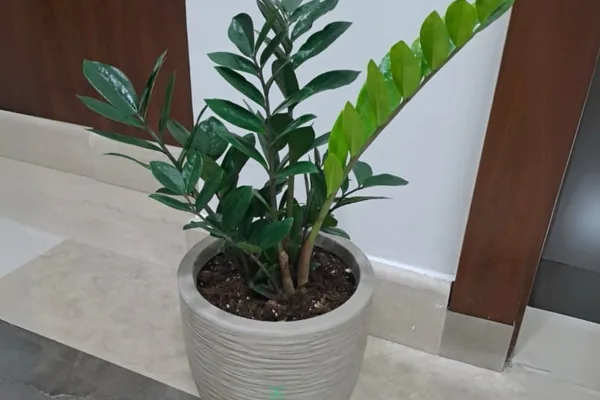
The ZZ plant care routine is genuinely one of the simplest among all popular houseplants. The most frequent mistake is overwatering. Treat it more like a succulent than a tropical plant, and you will rarely encounter problems.
Watering
Water thoroughly until water drains from the base, then allow the top half of the soil to dry out completely before watering again. In most indoor settings this means once every 7–14 days in summer and once every 3–4 weeks in winter. Always empty the saucer after watering to prevent the roots from sitting in standing water.
Soil and Potting
Use a well-draining potting mix — a cactus or succulent blend works well, or blend standard potting soil with perlite at a 2:1 ratio. Always choose a pot with drainage holes. ZZ plants prefer to be slightly root-bound, so repot only every 2–3 years when roots visibly crowd the container.
Temperature and Humidity
ZZ plants are comfortable in standard indoor temperatures between 15–30°C (60–85°F). They adapt readily to normal household humidity and do not need misting or humidifiers. Keep them away from cold draughts, air conditioning vents, and heating units, which create dry air extremes that stress the foliage.
Fertilising
Apply a balanced liquid fertiliser at half strength once a month during spring and summer only. Skip feeding in autumn and winter when growth naturally slows. Over-fertilising leads to leaf-tip burn and salt accumulation in the soil, both of which are harder to fix than under-feeding.
Common ZZ Plant Problems and Easy Fixes
Even the most forgiving plant occasionally shows signs of stress. Here are the issues you are most likely to encounter and how to address them quickly.
- Yellow leaves: Almost always caused by overwatering. Check the soil before every watering session and ensure drainage is functioning.
- Root rot: Remove the plant, trim any brown mushy roots, allow the root ball to air-dry for a day, then repot into fresh dry soil.
- Leggy, stretched stems: Caused by insufficient light. Move the plant closer to a window or supplement with a grow light.
- Dusty, dull leaves: Wipe each leaf gently with a damp cloth to restore the natural glossy finish and remove dust that blocks light absorption.
- Drooping stems: Can signal either severe overwatering or extreme drought. Check soil moisture to identify which and adjust accordingly.
Is a ZZ Plant Right for Your Space?
The ZZ plant suits a wide range of indoor environments and lifestyles, but a few practical considerations will help you make the right call for your specific situation.
Pet and Child Safety
The ZZ plant contains calcium oxalate crystals and is mildly toxic if ingested by people or animals, causing mouth irritation and stomach discomfort. Place it out of reach of curious pets and young children, and wash your hands after handling the stems or sap.
Lifestyle and Room Fit
- Ideal for frequent travellers and time-poor professionals
- Excellent choice for offices, apartments, and rooms with limited natural light
- Not well-suited for gardeners who enjoy daily, hands-on plant interaction
- One of the best first houseplants for beginners who want near-guaranteed success
Quick ZZ Plant Care Checklist
Before you bring a ZZ plant home, keep these core steps in mind to set it up for lasting health and beauty.
- Position in bright indirect light — near a window but shielded from direct sun
- Water once every 1–3 weeks depending on season; always check the soil first
- Use a well-draining soil mix and a pot with drainage holes
- Feed lightly with half-strength fertiliser in spring and summer only
- Wipe leaves monthly with a damp cloth to maintain the glossy finish
- Repot every 2–3 years or when roots clearly fill the container
- Keep away from pets and young children due to mild toxicity
Few houseplants offer the ZZ plant’s balance of visual sophistication and everyday resilience. Whether you need an elegant accent for a dim office corner, a reliable green companion for a small apartment, or simply a plant that survives your busiest weeks without complaint, the ZZ plant delivers. Give it a spot with indirect light, water it sparingly, and it will reward you with lustrous, long-lasting foliage for years to come.
