
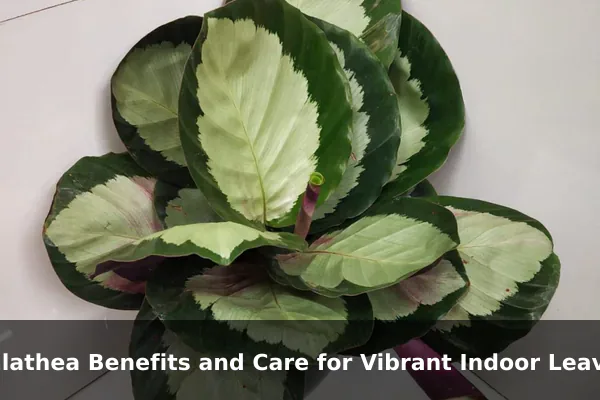
Calathea has become a favorite among indoor plant lovers who want foliage with personality, pattern, and movement instead of plain green leaves. Its dramatic markings can look feathered, striped, brushed, or painted, and many varieties gently lift and lower their leaves from day to night. That living rhythm gives calathea a different presence from many other houseplants. It does not simply sit in a corner as background greenery. It becomes part of the room’s atmosphere.
This makes Calathea Benefits and Care for Vibrant Indoor Leaves a topic worth exploring from a distinct angle. Calathea is valued less for rugged neglect tolerance and more for refined ornamental impact. When light is filtered, moisture is consistent, and humidity is high enough, the plant rewards you with crisp patterns, supple foliage, and a lush tropical look that elevates bedrooms, offices, reading nooks, shelves, and small apartments.
For anyone building an indoor plant collection around texture, color contrast, and elegant leaf display, calathea deserves close attention. The guide below explains what makes it special, the main benefits of growing it indoors, and the practical care habits that help its leaves stay vibrant rather than curled, faded, crispy, or limp.
What Makes Calathea Stand Out as a Houseplant
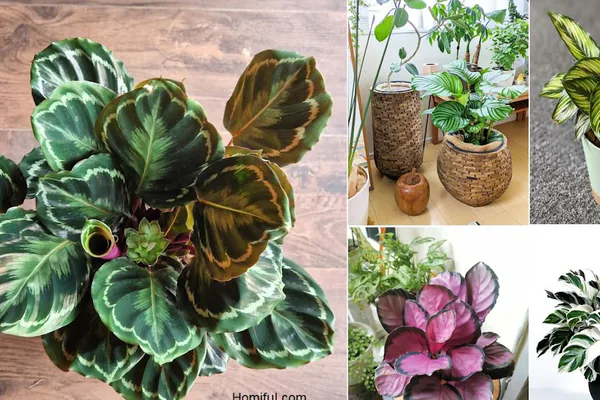
Calathea is widely known as a tropical foliage plant with highly decorative leaves. Many plants still sold under the calathea name are now classified botanically in the Goeppertia group, but everyday growers, garden centers, and interior plant enthusiasts still use the familiar name calathea. In practical care terms, the name matters less than the defining trait: these plants are grown for their leaves first.
A foliage plant with natural artwork
Unlike houseplants that rely mostly on shape or size for visual appeal, calathea offers detail at close range. You can see bold midribs, painted stripes, silver washes, dark green margins, and burgundy undersides depending on the variety. This gives even a medium-sized plant the visual richness of a much larger specimen.
Popular forms include rounded medallion types, the broad silver-green leaves of orbifolia, the long wavy leaves of rattlesnake calathea, and the neat pinstriped look of pinstripe varieties. Each one brings a different mood, yet all share the same central attraction: vividly patterned foliage that looks intentional and refined indoors.
Leaf movement adds life to a room
Calathea is often grouped with prayer plants because the leaves respond to light cycles. During the day they may spread outward to catch light, then fold upward or shift position later in the evening. That small daily motion is easy to overlook at first, but over time it becomes one of the plant’s most charming features. The plant feels active, not static.
For indoor styling, this matters. A calathea softens a room in a way that stiff, upright plants cannot. It suggests humidity, shade, and tropical calm. In design terms, it works especially well where you want a quieter, layered look rather than a sharp or architectural one.
Compact growth for real indoor spaces
Many homeowners want attractive plants that fit tables, plant stands, windowsides, or corners without quickly taking over the room. Calathea solves that problem well. Most stay manageable in containers, making them useful for apartments, desks, sideboards, and shelf displays. They bring complexity without demanding the floor space of a large indoor tree.
This compact habit also makes calathea easier to place in the indirect light conditions it prefers. You do not need a large sunroom to enjoy it. A bright room with filtered exposure, stable temperatures, and a little humidity support is often enough.
Top Benefits of Growing Calathea Indoors
The biggest benefits of calathea are not about being the toughest houseplant in the room. They are about visual performance, indoor compatibility, and the polished look its foliage brings to lived-in spaces. That makes it especially valuable for people who want a plant collection that feels curated rather than random.
1. Strong ornamental value all year
Calathea keeps its appeal through foliage rather than seasonal flowers, so it can contribute to interior beauty month after month. The leaves remain the main event, which means the plant still looks purposeful even when it is not actively pushing fresh growth. For indoor gardeners who want steady decorative impact, this is a major benefit.
Because the plant does not depend on blooming to look impressive, it suits minimalist rooms, natural interiors, tropical themes, and modern plant styling equally well. A healthy calathea can act like living decor.
2. Pattern and contrast without visual heaviness
Some indoor plants create bold shape but can feel visually heavy, especially in small rooms. Calathea offers contrast in a softer way. Its markings add interest without blocking sight lines or making a space feel crowded. Broad leaves reflect light gently, and multi-toned surfaces add depth even when the plant is small.
This makes it ideal for:
- Nightstands and bedside tables
- Bookshelves with filtered natural light
- Home office corners
- Bathroom counters with bright indirect light
- Coffee tables or side tables in layered interiors
3. A tropical atmosphere without excessive size
Many people want the lush feeling of a tropical interior but do not have space for large palms or oversized statement plants. Calathea creates that tropical mood through texture, leaf breadth, and color rather than sheer scale. Even one pot can make a room feel greener, softer, and more relaxed.
That effect becomes stronger when you group calathea with natural materials such as wood, woven baskets, stone planters, linen curtains, or neutral walls. The plant’s markings stand out while still feeling organic.
4. Useful for small-space plant styling
Calathea performs well in homes where every surface matters. Since many varieties stay compact and prefer protected indoor conditions, they work in small-space decorating better than sprawling vines or tall, rigid plants. You can use one as a focal point on a stand or cluster several foliage plants around it while still keeping the arrangement balanced.
Its rounder, fuller leaf shapes also help soften hard edges from shelves, desks, and cabinets. In that sense, calathea is both a plant and a design tool.
5. A more attentive, rewarding plant experience
Some houseplants are satisfying because they survive almost anything. Calathea is satisfying for a different reason: it teaches observation. The leaves tell you when the air is dry, when watering is uneven, or when direct sun is too harsh. If you enjoy reading a plant’s signals and fine-tuning your environment, calathea can be deeply rewarding.
Many growers also appreciate that calathea is commonly regarded as a more pet-friendly foliage choice than many popular houseplants. While keeping any plant away from heavy chewing is wise, this reputation makes it appealing for homes with curious cats or dogs.
Best Light, Water, and Humidity Conditions
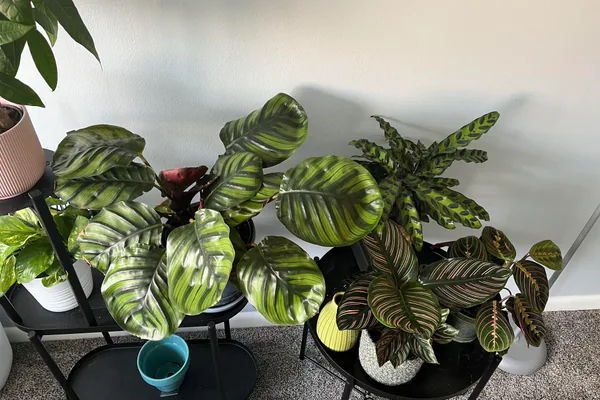
Most calathea problems come back to three connected conditions: light, moisture, and humidity. If those are reasonably stable, the plant usually looks much better. If they swing too far in either direction, the leaves often show stress quickly.
Bright indirect light is the sweet spot
Calathea prefers bright indirect light. Think of the soft, filtered brightness near an east-facing window, a few feet back from a south- or west-facing window with a sheer curtain, or a well-lit room where direct sun never hits the leaves for long. Too little light can dull the patterns and slow growth. Too much direct light can bleach color and scorch the edges.
A simple way to judge placement is to look at the shadow cast by the plant during the day. If the shadow is sharp and harsh, the light may be too intense. If the area is gloomy enough that you struggle to read comfortably, it is probably too dark. Calathea likes the middle ground.
Water for even moisture, not constant saturation
Calathea usually performs best when the soil stays lightly and evenly moist, but never waterlogged. Letting the entire pot dry out can lead to curling leaves, drooping, and crisp edges. Keeping the roots constantly soggy can cause yellowing, limp growth, and root stress.
A practical watering approach is:
- Check the top inch of soil with your finger.
- Water when that top layer feels slightly dry but the root zone still has some moisture.
- Water thoroughly until excess drains out.
- Empty saucers so roots are not left sitting in water.
In active growing months, this may mean watering more often. In cooler or darker periods, the schedule slows down. The exact timing depends on pot size, indoor temperature, airflow, and humidity.
Water quality matters more than many growers expect
Calathea can be sensitive to mineral buildup, fluoride, or heavily treated tap water. In some homes, this contributes to brown tips or gradual leaf-edge burn even when watering frequency seems correct. If you keep seeing browning despite good humidity and proper moisture, try filtered water, distilled water, or rainwater if it is clean and safely collected.
This is not required in every home, but it can make a visible difference where local water is hard or heavily chlorinated.
Humidity is often the deciding factor
Humidity is one of the biggest reasons calathea succeeds in one home and struggles in another. These plants come from tropical environments, and dry indoor air can leave the leaf margins crisp even when the roots are watered correctly. If your space uses air conditioning heavily or becomes dry from indoor heating, humidity support becomes important.
Helpful options include:
- Using a room humidifier near the plant
- Grouping several plants together to create a moister microclimate
- Placing calathea in a naturally more humid room with enough light, such as a bathroom
- Keeping it away from heat vents, radiators, and strong air drafts
Misting offers only brief surface moisture and usually does not replace real humidity support. A steady room environment works better than occasional bursts of moisture.
Temperature consistency protects leaf quality
Calathea prefers warmth and stability. Most do best in normal indoor temperatures, but they dislike sudden cold exposure, chilly windows in winter, and blasts of hot or cold air. A stable environment helps preserve leaf texture and reduces stress. Rapid changes are often followed by curling, drooping, or browned tips.
Soil, Potting, and Feeding Tips for Steady Growth
Once light and humidity are handled, the next step is building a root environment that stays moist enough for comfort while still draining well. Calathea does not want dense, suffocating soil, but it also does not enjoy a mix that dries too fast.
Use a loose but moisture-retentive potting mix
An ideal calathea mix holds water evenly while allowing air around the roots. A good blend often includes quality indoor potting soil with additions such as coco coir, peat-based material, perlite, fine bark, or pumice. The goal is balance: enough structure for drainage, enough organic material for moisture retention.
A workable formula might include:
- Two parts indoor potting mix
- One part coco coir or peat component
- One part perlite or pumice
- A small amount of fine bark for texture
This combination helps prevent both extremes of care trouble: bone-dry soil and soggy, stagnant roots.
Choose containers with drainage holes
Calathea should not live long term in decorative pots without drainage. A nursery pot slipped inside a cachepot is much safer than planting directly into a sealed container. Drainage holes give you room to water thoroughly and let excess moisture leave the root zone.
Pot size matters too. Moving into a container that is only one size larger than the previous pot is usually best. Oversized pots hold extra wet soil around the roots for too long and can create avoidable stress.
Repot when the plant begins to outgrow its space
Calathea does not need constant repotting. In many homes, every one to two years is enough, depending on growth rate. Signs that repotting is helpful include roots circling heavily, water rushing through too fast, the plant drying out unusually quickly, or noticeable crowding that limits steady growth.
The best time to repot is usually during active growth, when the plant can adjust more easily. Handle the roots gently, refresh the mix, and return the plant to its preferred light and humidity conditions as soon as possible.
Feed lightly, not aggressively
Calathea is not a heavy feeder. Too much fertilizer can damage sensitive roots and show up as brown edges or weak leaf quality. A diluted balanced houseplant fertilizer used during spring and summer is often enough. Reduce or pause feeding when growth slows in cooler months.
A simple feeding plan works well:
- Use a balanced liquid fertilizer at half strength.
- Apply every four to six weeks during active growth.
- Skip feeding if the plant is stressed, recently repotted, or sitting in low light.
Gentle consistency is better than trying to force rapid growth.
Common Calathea Problems and How to Fix Them
Calathea has a reputation for being fussy, but many issues are readable once you know what the leaves are telling you. Instead of guessing randomly, match the symptom to the likely environmental cause.
Brown leaf edges or tips
This is one of the most common complaints. Brown edges often point to dry air, inconsistent watering, mineral-heavy water, or heat stress from nearby vents. Start by checking humidity first, then review your watering pattern and water quality.
- Likely cause: Low humidity
- Fix: Use a humidifier, move the plant away from dry airflow, and keep moisture more even
- Secondary cause: Sensitive reaction to tap water
- Fix: Try filtered or distilled water for several weeks
Curling leaves
Leaf curling is often a sign that the plant is trying to reduce moisture loss. The soil may be too dry, the air may be too dry, or the plant may be receiving too much direct light. Check the root zone before watering again, and look at the overall room conditions.
- Likely cause: Underwatering or dry air
- Fix: Rehydrate the soil evenly and improve humidity
- Other possibility: Harsh sun exposure
- Fix: Move the plant back from the window or filter the light
Faded or washed-out patterns
If the leaves lose their strong contrast, the plant may be getting too much direct light, which can bleach color over time. In darker rooms, patterns may also look dull simply because growth is weaker and slower.
- Likely cause: Too much direct sun
- Fix: Shift to bright indirect light
- Possible cause: Insufficient light overall
- Fix: Move closer to a bright window without exposing the leaves to harsh rays
Drooping leaves and limp stems
Drooping can result from underwatering, overwatering, sudden cold, or transplant stress. This is why touching the soil is more useful than relying on appearance alone. A dry pot calls for water. A wet, sour-smelling pot suggests root stress and poor aeration.
- Dry soil: Water thoroughly and monitor recovery over the next day
- Wet soil: Reduce watering, improve drainage, and let the mix breathe
- Cold exposure: Move the plant away from chilly windows or drafts
Yellowing leaves
Occasional old leaves turning yellow is normal, especially near the base. Broad yellowing across several leaves, however, often signals overwatering, a heavy mix, low light, or a pot that stays wet too long.
Correct the root environment before assuming the plant needs more fertilizer. In calathea, extra feeding rarely solves yellowing caused by wet roots.
Pests on stressed plants
Spider mites, mealybugs, and fungus gnats can appear, especially when the plant is stressed or the environment is unbalanced. Spider mites are particularly drawn to dry conditions and can damage leaf surfaces quickly.
To manage pests:
- Inspect the undersides of leaves regularly.
- Isolate the plant if you see active infestation.
- Wipe leaves gently and treat with an appropriate houseplant-safe method such as insecticidal soap when needed.
- Improve airflow and humidity balance to reduce recurring stress.
Simple Habits That Keep Calathea Leaves Vibrant
Once the basic environment is right, a few repeatable habits make a major difference in leaf quality. Calathea usually responds better to small, steady routines than dramatic rescue measures.
Follow a weekly plant check
A short inspection once a week helps you catch problems before they become obvious damage. Look at the topsoil, leaf edges, undersides, and overall posture of the plant. Calathea often gives early warning signs, and quick adjustments prevent bigger setbacks.
A strong weekly routine includes:
- Checking soil moisture by touch
- Rotating the pot for even light exposure
- Wiping dust from leaves with a soft damp cloth
- Inspecting for pests or webbing
- Removing fully spent or badly damaged leaves
Keep the foliage clean
Dust dulls the leaf surface and reduces the visual beauty that makes calathea so desirable in the first place. Clean leaves also make it easier for the plant to use available light efficiently. A gentle wipe with a soft cloth is usually enough. Avoid heavy shine products that can coat the foliage.
Protect it from environmental extremes
Calathea usually declines when exposed to repeated stress rather than one single mistake. A forgotten watering, one dry afternoon, or one cloudy week is not always disastrous. The bigger issue is a cycle of dry soil, strong sun, cold nights, and low humidity repeating over time.
Try to keep these conditions stable:
- Moderate, even moisture
- Bright but filtered light
- Warm indoor temperatures
- Consistent humidity
- Gentle airflow without drafts
Adjust care by season
In warmer, brighter months, calathea usually drinks more and grows faster. In cooler seasons, growth slows and soil dries more slowly. Good care means responding to those changes instead of following the same calendar all year. The plant wants a consistent environment, but your watering rhythm still needs to adapt to the season.
That flexibility is one of the best ways to keep the leaves looking rich and well-defined year-round.
Is Calathea the Right Plant for Your Home
Calathea is an excellent choice for the right indoor setup, but it is not the best fit for every grower. The decision depends less on skill level and more on whether your home naturally supports the plant’s preferences or you are willing to create those conditions.
Calathea is a strong choice if you want:
- A foliage-focused houseplant with standout leaf patterns
- A compact plant for shelves, desks, or small rooms
- A softer tropical look instead of a rigid architectural form
- A plant that feels lively and expressive
- An indoor growing experience based on observation and refinement
It may be harder if your home has:
- Very dry air all year
- Only harsh direct sunlight or very dim corners
- Long gaps between waterings
- Cold drafts from windows or air conditioning
- A preference for extremely low-maintenance plants
That does not mean calathea is impossible in average homes. It simply means success comes from matching the plant to the environment. If you can provide filtered light, reasonable humidity, and steady watering, calathea can become one of the most visually satisfying plants in your collection.
Conclusion
Calathea earns its popularity through leaf beauty, movement, and the calm tropical character it brings indoors. Its benefits are especially clear for people who want more than basic greenery. Patterned foliage, compact growth, and design-friendly presence make it a standout houseplant for stylish indoor spaces.
The key to success is not complicated, but it is specific: bright indirect light, evenly moist soil, warm temperatures, and enough humidity to protect the leaf edges and color. With those conditions in place and a few simple maintenance habits, calathea can keep producing the vibrant indoor leaves that make it one of the most elegant foliage plants to grow at home.
