
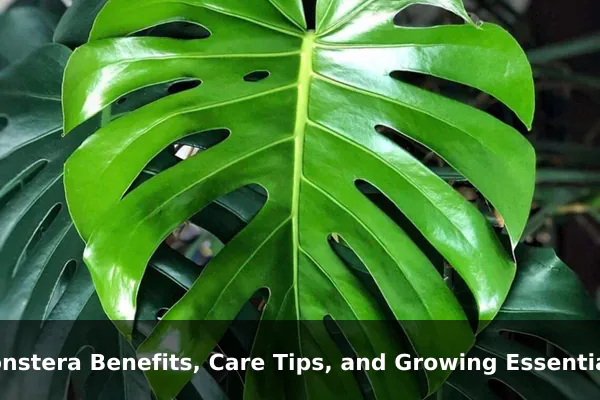
Few houseplants make as strong a visual statement as Monstera. With its dramatic split leaves, glossy surface, and lush tropical feel, this plant has earned a permanent place in living rooms, home offices, and plant collections worldwide. Whether you are buying your first plant or expanding a growing lineup, Monstera offers a satisfying mix of bold beauty and genuinely manageable care.
This guide covers everything you need in one place — the real indoor benefits Monstera provides, the essential care habits that keep it thriving, and the growing basics that help you avoid the most common mistakes. No complicated jargon. By the end, you will know exactly what this plant needs and whether it fits your space and routine.
Why Monstera Stands Out as a Houseplant
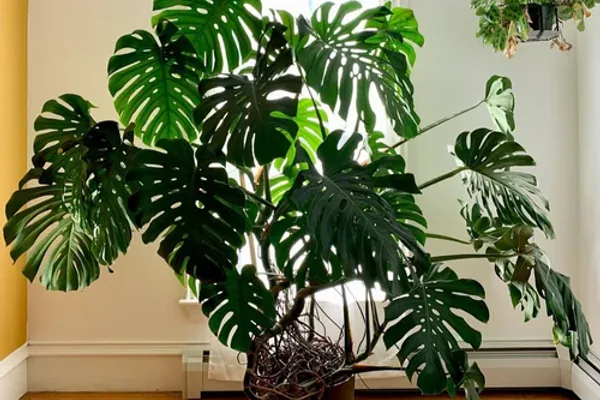
Monstera belongs to the Araceae family and originates from the tropical rainforests of Central and South America. In the wild, it climbs tall trees in search of filtered light — an instinct that drives its impressive growth indoors. The most popular home variety is Monstera deliciosa, called the Swiss Cheese Plant for the distinctive holes and splits that develop in mature leaves. Monstera adansonii stays smaller and suits shelves or hanging baskets, while variegated cultivars like Thai Constellation are prized for creamy leaf markings, though they carry a higher price tag and need more precise care.
What makes Monstera such a standout choice is the balance of visual impact and a forgiving nature. It tolerates lower light better than many tropical plants, does not demand daily watering, and grows steadily in apartments with limited outdoor exposure — a combination of qualities that is genuinely rare among bold-looking houseplants.
Key Benefits of Growing Monstera Indoors
Decorative Value and Interior Styling
Monstera leaves can reach 60 to 90 centimeters across in a healthy indoor plant. Their deep green color, sculptural shape, and glossy texture add an architectural quality that most small or flowering plants cannot replicate. A single well-grown Monstera can anchor an entire room and serve as a natural focal point that ties together furniture, lighting, and other décor elements with minimal effort.
Mood and Well-Being Benefits
Studies consistently show that living with plants reduces perceived stress, improves mood, and creates a sense of calm. Monstera contributes through its lush greenery, which signals nature and relaxation to the human mind. The simple daily ritual of checking leaves, adjusting light, and giving water is also quietly grounding — especially in urban environments where contact with nature is limited.
Air Comfort Contribution
Like most leafy houseplants, Monstera participates in transpiration, releasing moisture into the surrounding air. While no houseplant replaces a dedicated air filter, a large-leaved Monstera in a well-ventilated room helps maintain more comfortable humidity levels during dry seasons or in centrally heated interiors, benefiting both skin and respiratory comfort.
Light, Temperature, and Placement Essentials
Ideal Light Conditions
Monstera thrives in bright, indirect light. A spot near a window that receives consistent light throughout the day — but where direct sun does not fall on the leaves — is ideal. North and east-facing windows work well. South and west-facing windows are fine if a sheer curtain diffuses the midday sun, which can scorch large leaf surfaces. Monstera tolerates lower light but grows more slowly and may produce smaller leaves without the characteristic splits.
Temperature and Humidity
Keep Monstera between 18°C and 27°C (65°F to 80°F) and away from cold drafts, air conditioning vents, and heating units. Humidity above 50% encourages larger, healthier leaves. In dry conditions, a nearby humidifier, occasional misting, or a pebble tray with water beneath the pot all support adequate moisture in the surrounding air.
How to Water Monstera Without Overdoing It
Overwatering is the most common mistake and the leading cause of root rot. The goal is to keep soil evenly moist during the growing season without letting roots sit in standing water.
A Simple Watering Rule
Water thoroughly when the top 5 to 7 centimeters of soil feel dry to the touch. Push a finger in to check rather than guessing from the surface. Water until it flows from the drainage holes, then let the pot drain completely before returning it to its saucer. During spring and summer, this typically means watering every 7 to 10 days. In autumn and winter, stretch intervals to 14 days or longer as growth slows.
Reading the Warning Signs
- Yellow leaves across multiple stems — often overwatering or poor drainage.
- Dry, curling leaf edges — usually underwatering or low humidity.
- Wilting despite moist soil — possible root rot; check roots and repot if needed.
- Drooping leaves in dry soil — straightforward dehydration; water promptly.
Best Soil, Pot, and Feeding Routine

Choosing the Right Soil Mix
Monstera needs a well-draining, airy potting mix that holds some moisture without becoming compacted. A standard tropical or indoor plant mix works as a base. Add perlite or coarse orchid bark at roughly 3 parts mix to 1 part amendment for improved drainage and root aeration.
Pot Selection
Always use a pot with at least one drainage hole. Terracotta is a reliable choice because porous walls allow air exchange and help the soil dry more evenly. Choose a pot only slightly larger than the root ball — oversized containers hold excess wet soil and invite rot.
Fertilizing for Growth
Feed Monstera with a balanced liquid fertilizer once a month during spring and summer, diluted to half the recommended strength. Stop fertilizing in autumn and winter when growth naturally pauses. Flush the soil with plain water every few months to clear accumulated mineral salts.
Support, Pruning, and Repotting for Bigger Leaves
Using a Moss Pole or Stake
Providing a moss pole, bamboo stake, or coir totem encourages Monstera to climb upward rather than sprawl wide. Vertical growth channels energy into producing larger, more fenestrated leaves. Attach stems loosely with soft plant ties and keep the moss pole slightly moist to encourage aerial roots to attach naturally.
When to Prune and Repot
Remove dead or yellowing leaves at the base with clean, sharp scissors. Trim back individual stems just above a node if the plant is taking over a space. Repot every one to two years — or when roots circle the bottom or emerge from drainage holes — moving up by one pot size in spring when the plant recovers fastest.
Common Monstera Problems and Easy Fixes
Yellow Leaves
Usually caused by overwatering. Reduce frequency, confirm the pot drains properly, and check roots for rot. If the soil smells musty, repot into fresh dry mix.
Brown Edges and Tips
Crispy edges point to low humidity, underwatering, or too much direct sun. Increase ambient humidity, check watering intervals, and adjust placement away from direct light.
Pests
Spider mites, mealybugs, and scale insects are the most common. Inspect leaf undersides regularly. Treat infestations by wiping with a damp cloth, applying neem oil solution, or using insecticidal soap. Isolate affected plants from others until the problem clears.
Simple Propagation Tips for New Plants
Monstera cuttings root reliably with minimal effort. A successful cutting must include at least one node — the small brownish bump on the stem where leaves and roots originate. A cutting without a node will not root. For water propagation, submerge the node in clean water, change the water every few days, and pot the cutting once roots reach five to eight centimeters. For soil propagation, plant the node just below the surface in moist well-draining mix, cover with a humidity dome, and check for rooting resistance after four to six weeks.
Growing Essentials to Remember Before You Buy
- Space — Monstera deliciosa can spread 60 to 90 centimeters wide indoors. Plan accordingly before choosing a location.
- Pet safety — Monstera contains calcium oxalate crystals, which are toxic to cats and dogs if ingested. Keep it out of reach of pets and small children.
- Patience — New leaves appear every few weeks during the growing season but take time to fully unfurl and develop their signature splits.
- Beginner variety — Start with Monstera deliciosa, the most forgiving and widely available form. Variegated cultivars are best approached after gaining experience with the standard plant.
Monstera rewards attentive but uncomplicated care with impressive growth, dramatic foliage, and a calming presence that genuinely transforms indoor spaces. Follow the basics in this guide and you will have a thriving, beautiful plant that grows alongside you for years to come.
