
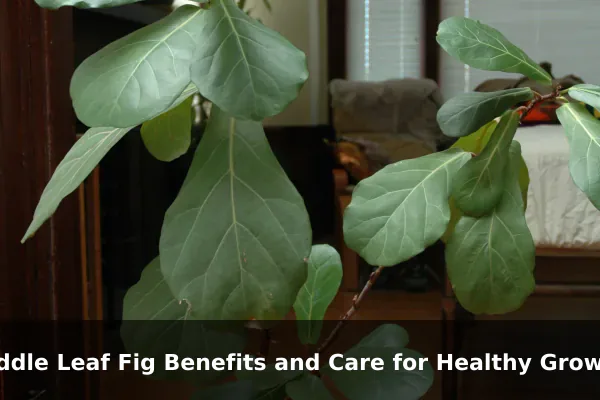
The fiddle leaf fig has become one of the most recognizable indoor plants for a reason. With its broad, violin-shaped leaves and upright growth, Ficus lyrata brings a strong visual presence that few houseplants can match. It does not simply fill an empty corner. It changes the feel of a room by adding height, structure, and a fresh natural element that makes interiors look calmer, brighter, and more finished. For many plant lovers, it is less like a small decorative accent and more like a living design feature.
That visual impact is only part of its appeal. The real value of a fiddle leaf fig is the combination of beauty and long-term companionship. When cared for well, it can grow into a substantial indoor tree that rewards steady attention with glossy leaves and strong vertical form. At the same time, this plant has a reputation for being particular. It usually does not thrive on neglect the way some beginner plants do. Healthy growth depends on a stable routine, bright light, balanced watering, and a potting setup that protects the roots. Once you understand those needs, fiddle leaf fig care becomes far more predictable and much less intimidating.
This guide covers the main fiddle leaf fig benefits and the practical care habits that support healthy growth. Instead of treating it like a generic houseplant, the goal is to help you manage it as a statement indoor tree that responds best to consistency. If you want fuller foliage, stronger stems, cleaner leaves, and fewer setbacks like brown spots or sudden leaf drop, the sections below will show you what matters most.
Why Fiddle Leaf Figs Are a Favorite Indoor Plant
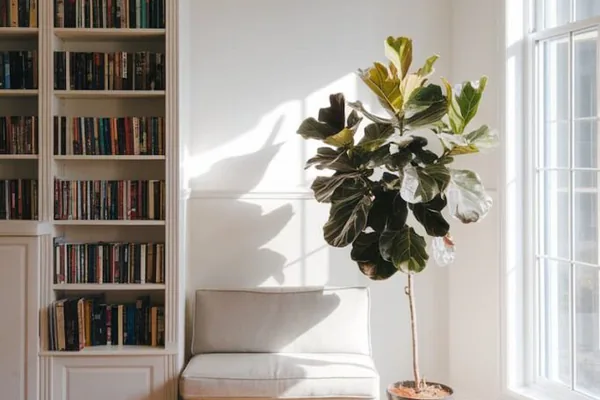
One reason fiddle leaf figs remain so popular is that they combine ornamental value with the everyday benefits people want from indoor greenery. Their oversized leaves create an immediate focal point, but the plant also supports a more inviting indoor atmosphere. In homes, studios, and offices, it often makes a space feel less flat and more alive.
Architectural beauty that elevates a room
Many houseplants soften a space, but a fiddle leaf fig adds structure. Its tall stems and wide leaves create a sculptural silhouette that works well in minimalist interiors, modern apartments, reading corners, and professional spaces. Even a young plant can look intentional and refined, while a mature specimen can anchor a room the way a piece of furniture or artwork would.
This architectural quality gives it a unique angle compared with more trailing or compact plants. If your goal is to create a sense of height without clutter, a fiddle leaf fig does that exceptionally well. It helps define empty vertical space while still keeping the room natural and welcoming.
A mood-boosting indoor presence
Like many indoor plants, a fiddle leaf fig contributes to a fresher and more relaxing environment simply through its presence. Greenery can reduce the hard visual edges of indoor spaces, especially those filled with screens, straight lines, or artificial materials. Large green leaves naturally draw the eye and can make a room feel more balanced and less sterile.
For people who work from home, the plant often serves as both decor and a daily reminder to slow down and notice the living environment around them. That emotional benefit is easy to overlook, but it is a major reason so many people stay attached to their fiddle leaf fig once it settles into a room.
A long-term plant with strong decorative value
Another benefit is longevity. A healthy fiddle leaf fig can remain attractive for years and become more impressive as it grows. Instead of replacing seasonal decor or cycling through short-lived houseplants, you can invest in one plant that matures with your space. As long as its basic needs are met, it offers an enduring look that does not go out of style.
- Large leaves create instant visual impact.
- Upright growth makes it ideal for corners and empty floor space.
- Evergreen foliage keeps the room looking lively year-round.
- Mature size gives it value as a true indoor statement plant.
These benefits explain why the fiddle leaf fig is so sought after, but they also hint at why care matters. A plant with large leaves and bold form needs the right environment to maintain that beauty.
Best Growing Conditions for Strong, Upright Leaves
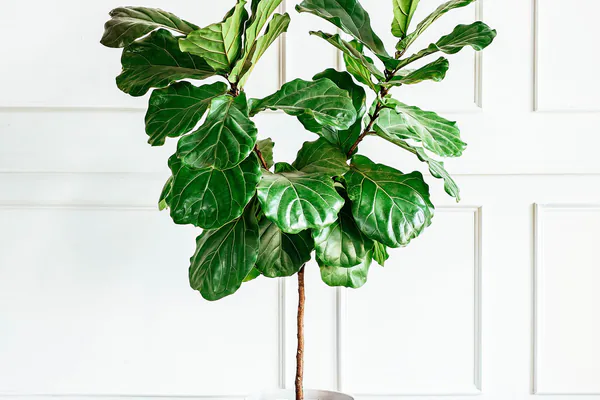
Healthy growth starts with the environment. Fiddle leaf figs are not impossible plants, but they are sensitive to abrupt changes. If the light shifts dramatically, the soil stays wet for too long, or cold drafts hit the leaves, the plant often responds quickly. Stable conditions are the key.
Bright, indirect light is the foundation
If there is one factor that affects fiddle leaf fig care more than any other, it is light. This plant usually performs best in bright, indirect light for much of the day. A spot near a large east-facing or south-facing window often works well, especially if the harshest afternoon sun is filtered by a sheer curtain.
Too little light leads to weak growth, wider spacing between leaves, and a greater risk of overwatering because the soil dries more slowly. On the other hand, intense direct sun can scorch leaves, especially if the plant was previously grown in lower light. The safest approach is bright exposure with gradual adjustment if you move it closer to a sunny window.
Warm temperatures and gentle humidity
Fiddle leaf figs prefer warm, stable indoor temperatures, generally in the range that feels comfortable for people. Sudden cold snaps, blasting air conditioners, and heating vents can all stress the plant. Temperature swings matter almost as much as the actual temperature because the plant reacts poorly to inconsistency.
Humidity also supports healthy foliage. While a fiddle leaf fig can adapt to average indoor humidity, very dry air may contribute to crispy edges, slower growth, and a dull leaf surface. Grouping plants together, keeping the plant away from dry heat sources, or using a humidifier in dry rooms can help without making care overly complicated.
Placement matters more than many owners expect
Once you find a good location, try not to move the plant often. Frequent repositioning can trigger stress responses such as leaf drop. A strong placement strategy includes:
- Choose a bright spot with filtered light.
- Keep the plant away from cold drafts and hot vents.
- Allow enough space around the leaves for airflow.
- Avoid dark corners that force the plant to stretch.
The goal is to create a stable zone where the plant can settle in and maintain balanced growth. That stability is especially important for a fiddle leaf fig because it does not usually forgive repeated environmental changes.
How to Water Without Causing Root Problems
Watering is where many fiddle leaf fig problems begin. People often assume a large-leaved tropical plant needs constant moisture, but soggy soil is one of the fastest ways to damage the roots. At the same time, allowing the root ball to stay bone dry for long periods can also cause leaf drop and stalled growth. The plant does best when watering is thorough but measured.
Use soil dryness, not the calendar, as your guide
Instead of watering on a rigid schedule, check the top layer of soil. When the top 1 to 2 inches feel dry, it is usually time to water. This timing varies depending on light, pot size, humidity, and season. A plant in bright summer light may drink much faster than one kept in a cooler winter room.
When you water, do it deeply enough that moisture reaches the full root zone and a little excess drains from the bottom. Then allow the soil to begin drying again before the next watering. Small frequent sips are less effective than complete watering followed by partial drying.
Warning signs of overwatering
Overwatering does not only mean adding water too often. It can also mean using dense soil, leaving water in a saucer, or keeping the plant in low light where the pot never dries properly. Common symptoms include:
- Yellowing lower leaves
- Soft brown patches
- A musty smell from the soil
- Drooping despite wet potting mix
- Leaf drop with no sign of dryness
If these signs appear, check drainage immediately. Reduce watering frequency, empty standing water, and confirm that the soil is airy enough to let roots breathe.
Signs the plant is too dry
Underwatering often shows up as dry, crispy edges, curling leaves, or drooping that improves after a thorough watering. Chronic dryness can also cause older leaves to fall as the plant conserves energy. The fix is not to keep the soil constantly wet. Instead, water more completely and monitor how quickly the mix dries in its current location.
A useful rule is this: moisture should cycle. Fiddle leaf figs like evenly managed soil, not extremes. Neither swampy roots nor extended drought support healthy growth.
Choosing Soil, Pots, and Feeding for Steady Growth
The right potting setup makes daily care easier. If the roots sit in compacted, slow-draining soil, even careful watering becomes risky. A well-chosen mix and pot help the plant use water efficiently and reduce stress.
Best soil for a fiddle leaf fig
A loose, well-draining potting mix is ideal. Many growers use a high-quality indoor plant mix improved with components such as perlite, pine bark, or coarse material that increases airflow. The goal is a medium that holds enough moisture to nourish the plant but never stays heavy for too long.
Dense garden soil is a poor choice for containers because it compacts easily and limits oxygen around the roots. Healthy roots need both water and air, and a fiddle leaf fig is especially sensitive when those conditions are out of balance.
Picking the right pot size and drainage
Choose a pot with drainage holes every time. Decorative containers without drainage create unnecessary risk unless they are being used only as outer cachepots. The actual growing container should always let excess water escape.
When repotting, move only one size up in most cases. A pot that is too large holds extra wet soil around a root system that cannot use it quickly. That slows drying time and raises the chance of root issues. Signs the plant may need repotting include roots circling tightly, water running straight through without soaking in, or growth that has clearly slowed despite good light and feeding.
A simple feeding routine for leaf and stem growth
Because fiddle leaf figs are grown mainly for lush foliage, they benefit from regular but moderate feeding during the active growing season. A balanced fertilizer made for houseplants can be applied according to label directions, usually in spring and summer when the plant is producing new leaves.
Avoid overfertilizing. Too much fertilizer can stress the roots and leave mineral buildup in the pot. If the plant is in low light, recently repotted, or not actively growing, it generally needs less feeding. The goal is steady support, not forced growth.
- Use airy, fast-draining indoor potting mix.
- Always choose a pot with drainage holes.
- Repot gradually, not into an oversized container.
- Feed during active growth, then slow down in cooler or darker months.
Pruning, Cleaning, and Rotating for Better Shape
One of the most overlooked parts of fiddle leaf fig care is routine maintenance. These plants look best when their leaves stay clean, their growth stays balanced, and their shape is managed early instead of after they become awkward or top-heavy.
Why pruning can improve form
Pruning is useful when a plant becomes too tall, sparse, or uneven. Strategic cuts can encourage branching and help create a fuller silhouette. If the main stem is growing strongly upward with little side growth, cutting above a node may stimulate new shoots lower down.
Always use clean, sharp tools and avoid removing too much at once. Heavy pruning can shock a stressed plant, especially if it is already adapting to low light or watering problems. It is better to shape the plant gradually.
Clean leaves for better light use
Large leaves collect dust quickly, and dusty leaves are not just unattractive. Dust can reduce the plant’s ability to use light efficiently. Wiping leaves gently with a soft damp cloth keeps them glossy and helps you inspect them for pests or damage.
This small habit also improves the plant’s overall appearance, which matters because the fiddle leaf fig is often chosen for its decorative impact. Clean leaves make the whole plant look healthier and more intentional.
Rotate the pot for even growth
Because fiddle leaf figs lean toward the strongest light source, rotating the pot every few weeks can help maintain a straighter shape. This is especially helpful if the plant sits near a window and receives one-sided light.
A simple maintenance routine might include:
- Check leaf surfaces weekly.
- Wipe dust away when needed.
- Rotate the pot slightly for even exposure.
- Prune lightly during active growth if shaping is needed.
These habits do not take long, but they make a major difference in how the plant looks over time.
Common Fiddle Leaf Fig Problems and Easy Fixes
Even well-cared-for fiddle leaf figs can go through rough patches. The important thing is to read the symptoms correctly. Many problems come from a mismatch between roots, moisture, and light rather than from a single dramatic mistake.
Brown spots on leaves
Brown spots can mean different things depending on texture and location. Soft, dark brown areas often point to excess moisture or root stress. Dry brown edges may suggest low humidity, underwatering, or inconsistent moisture. Sunburn can also create pale or crispy damaged areas on leaves exposed to intense direct sun.
The best fix is to identify the pattern. Check the soil, review recent watering habits, and think about whether the plant’s location changed recently. Treat the cause, not just the symptom.
Leaf drop after stress
Few things alarm owners faster than falling leaves. A fiddle leaf fig may drop leaves after relocation, sudden temperature change, overwatering, underwatering, or a sharp reduction in light. New plants often shed a leaf or two while adjusting to a new home.
If the plant otherwise looks stable, focus on restoring consistency rather than reacting with several major changes at once. Give it steady light, correct watering, and time. Constantly moving it or changing the routine can make recovery slower.
Yellow leaves, pests, and slow growth
Yellow leaves often indicate excess moisture, poor drainage, or natural aging of older leaves near the base. Inspect the plant before assuming the cause. If the soil is staying wet for too long, that is the first issue to correct.
Pests such as spider mites, scale, or mealybugs may appear, especially on stressed plants with dusty leaves. Look under leaves and along stems for sticky residue, webbing, or small clustered insects. Early treatment with washing, isolation, and an appropriate houseplant-safe control method is much easier than dealing with a heavy infestation.
Slow growth is usually linked to insufficient light, low feeding during the growing season, cramped roots, or cooler indoor conditions. When a fiddle leaf fig is given strong light and a stable routine, it often resumes growth with surprising energy.
- Brown soft spots: check for overwatering and poor drainage.
- Crispy edges: review dryness, humidity, and watering consistency.
- Leaf drop: reduce environmental changes and stabilize care.
- Yellow leaves: inspect soil moisture first.
- Stalled growth: improve light and review potting conditions.
Simple Care Routine for Long-Term Success
The easiest way to keep a fiddle leaf fig healthy is to build a repeatable care rhythm. This plant rewards consistency more than fussing. You do not need to micromanage it every day, but you do need to notice its environment and respond before small issues grow into bigger ones.
A realistic weekly checklist
Each week, look at the leaves, soil surface, and general posture of the plant. Is the topsoil dry? Are the leaves upright and firm? Is new growth appearing? A short visual check prevents many problems.
- Test the top layer of soil before watering.
- Inspect leaves for dust, yellowing, or pest activity.
- Confirm the pot is draining properly.
- Check that the plant is still getting bright light.
Monthly habits that improve plant health
Once or twice a month, wipe the leaves, rotate the plant, and review whether its position still makes sense for the season. Light conditions indoors can shift through the year, especially near windows. During active growth, this is also a good time to apply fertilizer if needed.
If your fiddle leaf fig has been stable for months, keep doing what works. Many owners create problems by changing too much after the plant is finally comfortable. Stability is not boring in plant care. With this species, stability is the strategy.
When to intervene and when to wait
Not every imperfect leaf requires action. Older leaves naturally age, minor cosmetic marks happen, and a plant may pause briefly between growth spurts. Intervene when you see patterns such as repeated yellowing, ongoing leaf drop, or consistently wet soil. Otherwise, avoid the urge to repot, prune, move, and fertilize all at once.
Think of fiddle leaf fig care as a balance between observation and restraint. Strong healthy growth usually comes from a few well-managed basics repeated over time.
Conclusion
The biggest fiddle leaf fig benefits come from its ability to transform indoor spaces while growing into a lasting, elegant houseplant. Its bold leaves add style, softness, and a sense of life that smaller plants often cannot match. But that beauty depends on practical care. Bright indirect light, measured watering, breathable soil, good drainage, and a stable location are what keep the plant upright, glossy, and vigorous.
If you approach it as a long-term indoor tree rather than a low-effort accent plant, the fiddle leaf fig becomes much easier to understand. Pay attention to consistency, respond early to signs of stress, and keep the routine simple. With the right conditions, this plant can reward you for years with healthy growth and striking evergreen presence.
