
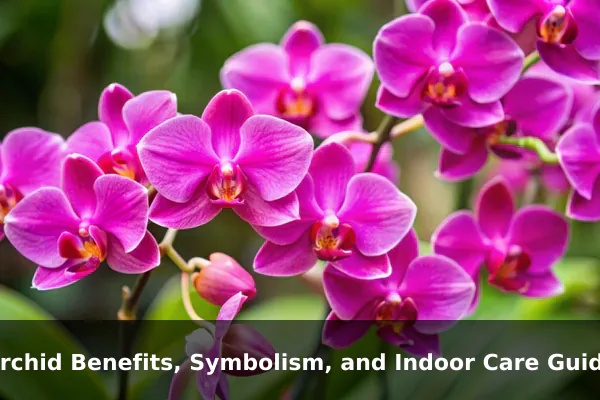
Orchids are among the most recognized and admired flowering plants in the world, celebrated for their breathtaking blooms and remarkable variety. With more than 25,000 naturally occurring species and over 100,000 registered hybrids, they hold a unique position in the plant kingdom — diverse enough to suit nearly every indoor space, yet elegant enough to serve as a focal point in any room. Whether you are choosing your first houseplant or looking to add a touch of sophistication to your home, orchids offer a combination of beauty, meaning, and manageable care that few other plants can match.
Despite their reputation for being difficult, many orchid varieties are surprisingly well-suited to life indoors. The key lies in understanding what orchids actually need — not the myths that surround them. Once you learn their preferences for light, water, and air circulation, you will find that orchids are far less demanding than their elegant appearance suggests. In fact, one of the most common mistakes new owners make is caring for them too much rather than too little.
Why Orchids Are So Popular as Indoor Plants
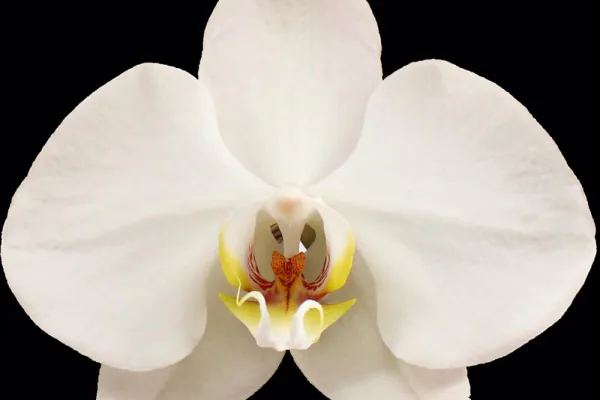
Orchids have been cultivated for thousands of years, prized by ancient Chinese herbalists, Victorian collectors, and modern interior designers alike. Their popularity as indoor plants comes down to three core qualities: their visual impact, their adaptability, and their longevity as a decorative investment.
Visual Appeal and Variety
Few flowering plants offer the sheer range of colors, patterns, and shapes that orchids do. From the clean white blooms of a classic Phalaenopsis to the deep purple clusters of a Dendrobium, there is an orchid to complement virtually any interior style. Their flowers last considerably longer than most cut flowers or other potted blooms — often six weeks to three months on a single spike — making them an efficient and lasting decorative choice.
Adaptability to Indoor Life
Unlike many tropical plants that struggle with the controlled environments of modern homes, many orchid varieties have adapted well to indoor living. They tolerate the drier air of heated rooms, grow well under indirect natural light, and do not require large pots or extensive soil. Their compact growth habit means they fit easily on windowsills, shelves, and tabletops without consuming valuable space.
Gifting Value
Orchids are consistently among the top-selling potted plants worldwide, largely because they work as thoughtful gifts in almost any context — housewarming celebrations, office openings, birthdays, anniversaries, and expressions of gratitude. Their long bloom time means the recipient enjoys the gift for weeks, not days, making them a genuinely memorable gesture.
Key Benefits of Keeping Orchids Indoors
Beyond their beauty, orchids bring several tangible benefits to indoor environments that make them worth including in any home or workspace.
Aesthetic and Decorative Value
Orchids are natural focal points. A single plant in bloom can elevate the look of a living room, dining table, or bathroom counter without requiring any additional styling. Their structural elegance — arching stems, symmetrical petals, and often glossy leaves — gives them a sculptural quality that works both as a standalone display piece and as part of a curated plant arrangement.
Mood Enhancement and Calm Atmosphere
Research in environmental psychology consistently finds that flowering plants in living and working spaces contribute to improved mood, reduced stress, and a greater sense of well-being. Orchids, with their soothing colors and graceful form, are particularly effective at creating a calming atmosphere. Placing one in a study, bedroom, or home office introduces a natural element that counters the visual fatigue of screen-heavy environments.
Long Bloom Periods
One of the most practical benefits of orchids compared to other flowering houseplants is the exceptional duration of their blooms. A healthy Phalaenopsis orchid can remain in flower for two to six months, and with the right post-bloom care, it will rebloom on the same spike or produce an entirely new one. This gives orchid owners far greater value per plant than seasonal flowers that fade within days of purchase.
Minimal Space and Low Clutter
Orchids are compact plants that grow naturally as epiphytes — anchoring themselves to trees in the wild and absorbing moisture from the air rather than deep soil. This translates to small, shallow pots indoors, making them ideal for apartments, offices, and any space where room is genuinely limited. They are also tidier than many popular houseplants, with stable leaves, no vigorous runners, and spent flowers that fall cleanly without creating mess.
What Orchids Symbolize in Different Settings
Orchids carry rich symbolic meaning across multiple cultures and contexts, which is a significant part of why they remain a preferred choice for gifts, celebrations, and ceremonial decor worldwide.
Love, Elegance, and Refinement
In many Western cultures, orchids symbolize love, beauty, and refined taste. Their association with luxury and elegance comes partly from their historical rarity — in the 19th century, orchids were so prized that collectors paid extraordinary sums to obtain them. Today, gifting an orchid communicates thoughtfulness, care, and an appreciation for quality that transcends ordinary floral arrangements.
Fertility, Virtue, and Abundance
In ancient Chinese tradition, orchids were associated with fertility, good fortune, and integrity. They were used in traditional medicine and regarded as symbols of moral strength and inner beauty. The Chinese name for orchid, lan, is still used in poetic language to express virtue and noble character, reflecting how deeply the flower is woven into cultural heritage.
Strength and Resilience
Because orchids grow in some of the most challenging environments on earth — clinging to rocky surfaces and forest canopies with minimal soil — they have come to symbolize resilience and adaptability. As a gift, they can carry a quiet message of encouragement: beauty and strength coexist even in difficult conditions.
New Beginnings and Good Wishes
Orchids are a popular gift for new businesses, new homes, and new life chapters. In many Asian business cultures, a blooming orchid displayed at the entrance of a shop or office is considered an auspicious sign of prosperity. Their association with longevity and good energy makes them suitable for opening ceremonies, anniversaries, and heartfelt congratulations.
Best Orchid Types for Beginners
With thousands of orchid species available, choosing the right variety can feel overwhelming. For most beginners, the best approach is to start with types that are widely available, forgiving of small care mistakes, and reliably rewarding in bloom.
Phalaenopsis (Moth Orchid)
The Phalaenopsis is by far the most beginner-friendly orchid and the most commonly sold variety at garden centers and flower shops. It tolerates lower light than most orchids, prefers to dry out slightly between waterings, and produces long-lasting sprays of blooms in white, pink, purple, yellow, and striped patterns. After its first blooming period, it can be encouraged to rebloom by placing it in a slightly cooler location for a few weeks.
Dendrobium
Dendrobiums produce clusters of flowers along cane-like stems and come in a wide range of colors. They prefer slightly more light than a Phalaenopsis and benefit from a defined dry season to encourage blooming — making them a natural next step once you are comfortable with basic orchid care.
Oncidium (Dancing Lady Orchid)
Oncidiums produce large sprays of small, butterfly-like flowers — often yellow or brown — on arching stems. They enjoy bright indirect light, tolerate a wider temperature range than some other orchids, and adapt well to different home environments, making them a popular choice for growers seeking variety.
How to Care for Orchids Indoors
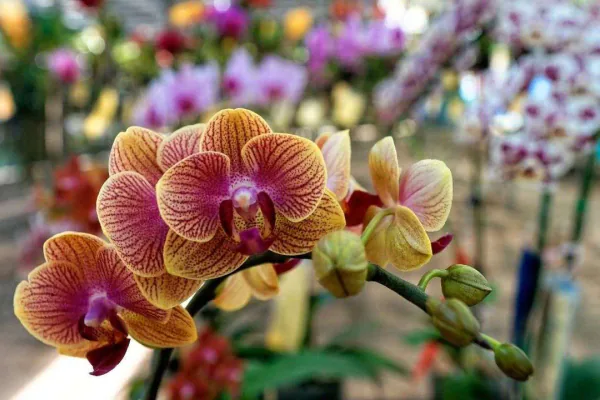
Caring for orchids indoors is straightforward once you understand their core needs. The following guidelines apply most reliably to Phalaenopsis, but the principles translate well across many popular varieties.
Light
Orchids need bright, indirect light. An east-facing window that receives gentle morning sun is ideal. South or west windows work if the plant is placed a few feet back from the glass or screened by a sheer curtain. Avoid direct afternoon sun, which can scorch leaves and bleach blooms. Dark green, limp leaves signal too little light; yellow or reddish leaves suggest too much.
Watering
The most important rule with orchids is to water thoroughly but infrequently. Allow the potting medium to dry out almost completely between waterings — typically every seven to ten days in moderate conditions. When you do water, soak the pot thoroughly and allow all excess to drain fully. Never allow an orchid to sit in standing water, as this causes root rot quickly.
- Water in the morning so roots dry before cooler evening temperatures
- Use room-temperature water — rainwater or filtered water is ideal
- Check roots through a clear pot: green roots have moisture, silvery-white roots signal it is time to water
Humidity and Temperature
Orchids prefer humidity between 50 and 70 percent. In dry conditions or during winter heating, place the pot on a pebble tray with water kept below the pot base, or use a small humidifier nearby. Most indoor orchids prefer daytime temperatures between 65°F and 80°F (18°C to 27°C) with a nighttime drop of 10 to 15 degrees — a temperature variation that also helps trigger reblooming.
Potting Medium and Fertilizing
Orchids must never be planted in regular potting soil. They require a bark-based or chunky orchid mix that allows air to circulate freely around the roots. Repot every one to two years when the bark breaks down or roots outgrow the container. For feeding, apply a balanced, water-soluble fertilizer diluted to half strength every two to four weeks during active growth, reducing frequency during winter rest.
Common Orchid Problems and Simple Fixes
Even with good care, orchids sometimes show signs of stress. Knowing how to read these signals saves plants before problems become permanent.
Yellow Leaves
Yellow leaves can indicate overwatering, too much direct sunlight, root rot, or simply the natural aging of lower foliage. Check the roots first — firm white or green roots are healthy; soft, brown, mushy roots indicate overwatering. If only the lowest leaf is yellowing, it is likely natural aging and not a concern requiring action.
No Blooms After the First Flowering
The most common reason a reblooming orchid fails to flower again is insufficient temperature variation. Move the plant to a slightly cooler spot — ideally near a window where nighttime temperatures drop — for four to six weeks. This temperature dip signals the plant to initiate a new flower spike.
Pests
Common orchid pests include mealybugs, scale insects, and fungus gnats. Mealybugs appear as white cottony clusters; scale shows as brown waxy bumps on leaves and stems. Treat both with isopropyl alcohol applied with a cotton swab or a diluted neem oil spray. Fungus gnats thrive in consistently moist bark — allowing the medium to dry more thoroughly between waterings resolves this issue efficiently.
Orchid Care Mistakes to Avoid
Most orchid failures come down to a small number of repeated errors. Recognizing and avoiding these protects your plant and extends its life considerably.
- Overwatering: The single most common orchid problem. When in doubt, wait — orchids withstand drought far better than waterlogged roots.
- Using regular potting soil: Orchid roots need airflow. Standard potting mix holds too much moisture and suffocates the root system within weeks.
- Placing in direct sun: Full afternoon sun scorches leaves and bleaches flowers. Always opt for bright, indirect light.
- Cutting the flower spike too early: After blooms fall, leave a green spike intact — it may produce a secondary branch of new flowers. Only cut it back once it turns completely yellow or brown.
- Ignoring drainage: Decorative cachepots without drainage holes trap water at the base. Always use a grower pot with drainage holes inside any decorative container.
- Fertilizing a dry plant: Always water your orchid before applying fertilizer to prevent burning the roots with concentrated nutrients.
Final Takeaway on Orchid Benefits and Care
Orchids earn their place as one of the world’s most beloved flowering plants not through complexity, but through a compelling combination of lasting beauty, rich meaning, and manageable care requirements. They bring genuine decorative value to any indoor space, contribute to a calmer home atmosphere, and carry symbolic depth that makes them meaningful both as personal plants and as gifts.
The foundation of successful orchid care comes down to a few consistent habits: bright but indirect light, thorough and infrequent watering, moderate humidity, and a temperature drop when it is time to encourage reblooming. Start with a Phalaenopsis, observe how your plant responds to its environment, and adjust from there. With a little attention and a willingness to let the plant guide you, orchids become far more than a decorative addition — they become a genuinely rewarding part of your indoor life.
