
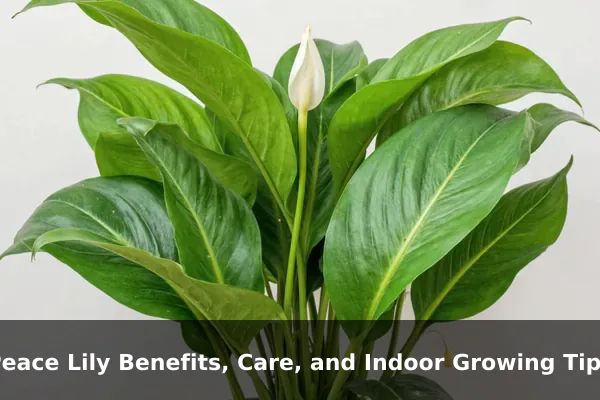
The peace lily (Spathiphyllum) has earned its place as one of the most recognizable houseplants in homes and offices, prized for its deep-green, glossy leaves and the elegant white spathes that rise above the foliage. Unlike many flowering plants that demand bright windowsills and constant attention, the peace lily tolerates the kind of softer, indirect light found in most interiors, which is a big part of why beginners gravitate toward it.
Beyond its looks, the peace lily carries a reputation for wellbeing and even for “cleaning” indoor air. Some of those claims deserve a closer, more careful look. This guide walks through the genuine benefits of growing a peace lily, the conditions it actually needs to thrive, the common problems owners run into, and the safety details every household with pets or small children should understand before bringing one home.
What Makes Peace Lily a Popular Indoor Plant
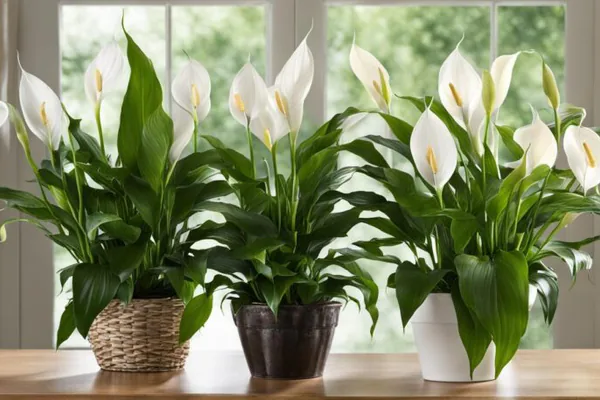
The peace lily belongs to the genus Spathiphyllum, a group of tropical evergreen plants native to the understory of warm forests in the Americas and parts of Southeast Asia. According to university extension sources such as the North Carolina Extension Gardener Plant Toolbox, these plants are grown almost entirely as foliage and flowering houseplants in temperate regions because they cannot tolerate frost.
Its appeal comes down to a few practical traits:
- Attractive, low-fuss foliage. The lance-shaped leaves stay green year-round and bring a lush, tropical feel to indoor spaces.
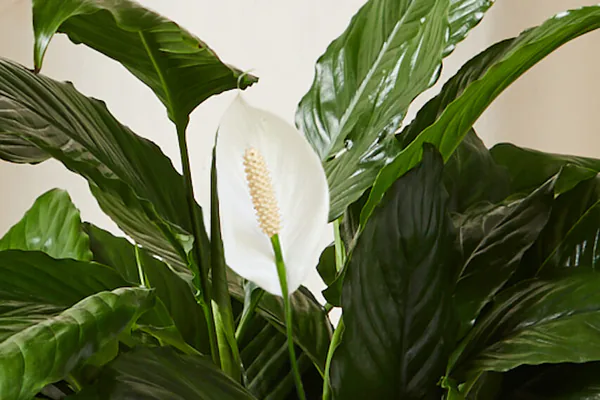
- Distinctive white “flowers.” What looks like a single white petal is actually a modified leaf called a spathe, which surrounds the true flower spike (the spadix).
- Tolerance of lower light. Few flowering houseplants handle dim corners as gracefully, making the peace lily a favorite for offices and rooms without strong sun.
- Compact, manageable size. Most cultivars stay tidy enough for tabletops, desks, and shelves, while larger varieties can anchor a floor display.
A Plant Built for Indoor Life
Because Spathiphyllum evolved in shaded, humid forest floors, indoor conditions often mimic its natural habitat more closely than a sunny garden bed would. That natural fit is why it remains a staple recommendation for new plant owners.
Key Peace Lily Benefits
The most reliable benefits of a peace lily are practical and aesthetic rather than medical. It is worth being precise here, since plant marketing often overstates health effects.
- Decorative value. The contrast of white spathes against dark foliage suits many interior styles and adds a calming, natural focal point.
- Greenery in low-light rooms. It lets you keep living plants in spaces where most flowering species would struggle.
- Compact growth. It fits small apartments, desks, and shelves without constant pruning.
- A sense of wellbeing. Many people simply enjoy caring for plants and find indoor greenery pleasant and relaxing, though this is a personal, subjective benefit rather than a clinical treatment.
Notice that none of these are medical claims. A peace lily is a houseplant, not a remedy, and it should not be presented as a treatment for any health condition.
The Truth About Peace Lily Air-Cleaning Claims
One benefit you will see repeated everywhere is that peace lilies “purify the air.” This idea traces back to a NASA study from the late 1980s (the Interior Landscape Plants for Indoor Air Pollution Abatement report), which tested several houseplants, including Spathiphyllum, for their ability to remove volatile organic compounds such as benzene and formaldehyde.
The important context is how that study was run. The plants were placed in small, sealed test chambers, not ordinary rooms. Those controlled conditions are very different from a typical home or office with constant air exchange, open doors, and ventilation.
What Later Research Suggests
More recent peer-reviewed analysis, including a 2019 review published in the Journal of Exposure Science & Environmental Epidemiology, concluded that potted plants generally do not meaningfully improve indoor air quality at realistic household levels. The number of plants required to match the effect of normal ventilation would be impractically large.
The honest takeaway: enjoy your peace lily for its beauty and the pleasure of growing it, and rely on proper ventilation and source control for genuine indoor air quality. Treat air-purifying claims as a marketing simplification rather than an established household benefit.
Best Indoor Growing Conditions
Getting the environment right is the single biggest factor in keeping a peace lily healthy. Horticultural guidance from sources like the University of Florida IFAS points to a few consistent needs.
Light
Provide bright, indirect light for the best foliage and the best chance of blooming. The plant survives in low light, but it will produce fewer or no white spathes there. Avoid harsh direct sun, which can scorch the leaves.
Temperature and Humidity
- Warmth: Peace lilies prefer typical indoor room temperatures and dislike cold drafts. Keep them away from chilly windows and air-conditioning vents.
- Humidity: As tropical plants, they appreciate moderate to higher humidity. Grouping plants together or using a pebble tray can help in dry rooms.
Potting Mix and Drainage
Use a well-draining, peat-based or general houseplant potting mix, and always choose a pot with drainage holes. Standing water at the roots is one of the fastest ways to harm the plant.
Peace Lily Watering and Feeding Tips
Watering is where most peace lily problems begin, usually from doing too much rather than too little.
- Keep soil evenly moist, not soggy. Water when the top inch of soil begins to feel dry to the touch.
- Watch the leaves as a signal. A peace lily often droops dramatically when it is thirsty, then recovers within hours of watering. Use this as a guide, but try not to let it wilt repeatedly, as chronic stress weakens the plant.
- Avoid overwatering. Constantly wet soil deprives roots of oxygen and invites root rot. Empty any saucer so the pot never sits in water.
Feeding
Peace lilies are light feeders. A balanced, diluted houseplant fertilizer applied occasionally during the active growing season (spring and summer) is usually enough. Over-fertilizing can cause brown leaf tips, so err on the side of less.
Common Peace Lily Problems and Fixes
Most issues trace back to light, water, or humidity. Here are the frequent complaints and their likely causes:
- Yellow leaves: Often overwatering, aging lower leaves, or too much direct light. Check soil moisture first.
- Brown leaf tips: Commonly caused by low humidity, over-fertilizing, or mineral buildup from tap water. Trim the tips and adjust care.
- No blooms: Usually insufficient light. Move the plant somewhere brighter (still indirect).
- Wilting or drooping: Most often underwatering, but persistent wilting in wet soil can signal root rot.
- Root rot: Caused by soggy, poorly drained soil. Remove the plant, trim mushy roots, and repot in fresh, well-draining mix.
- Pests: Watch for sap-sucking insects such as mealybugs, scale, or spider mites. Wipe leaves and treat with insecticidal soap if needed.
Pet and Family Safety
This is the benefit-and-risk balance many owners overlook. The peace lily is toxic if chewed or eaten, and this point deserves clear, careful wording.
According to the ASPCA Animal Poison Control and university extension sources, peace lilies contain insoluble calcium oxalate crystals. When pets or people bite into the leaves, these crystals can cause:
- Oral irritation and a burning sensation of the mouth, lips, and tongue
- Excessive drooling
- Difficulty swallowing
- Vomiting in pets such as cats and dogs
Importantly, the peace lily is not a true lily and does not cause the severe kidney failure associated with true lilies (genus Lilium) in cats. Even so, it can cause genuine discomfort, and any ingestion warrants caution.
Safe Placement
- Keep peace lilies out of reach of cats, dogs, and small children who might chew leaves.
- If you suspect ingestion, contact a veterinarian, a pet poison control line, or a medical professional for current guidance.
Treat the toxicity details above as general information, not medical advice, and rely on professionals for any actual exposure.
Simple Peace Lily Care Routine
You do not need a complicated schedule. A light, consistent routine keeps the plant healthy:
- Weekly: Check soil moisture and water when the top inch feels dry. Glance at the leaves for pests or browning.
- Every few weeks (growing season): Apply diluted fertilizer; wipe dust from leaves so they can absorb light.
- Seasonally: Reduce watering and feeding in winter when growth slows. Repot every year or two if roots fill the container.
Is a Peace Lily Right for Your Home?
A peace lily is an excellent choice if you want an attractive, forgiving plant that tolerates moderate to low light and rewards basic, consistent care. It suits apartments, offices, and beginners who want greenery without a steep learning curve.
It is a poorer fit if you share your home with pets or young children who tend to chew on plants, unless you can place it well out of reach. In that case, a non-toxic houseplant may be the safer pick.
Approached realistically, the peace lily delivers real value: lasting beauty, easy maintenance, and the simple enjoyment of caring for a living plant. Just keep its benefits in honest perspective, prioritize good ventilation for actual air quality, and respect its toxicity, and you will have a graceful indoor companion for years to come.
Official references
- ASPCA Animal Poison Control – Peace Lily – Primary pet safety reference for peace lily toxicity, toxic principle, and clinical signs in cats and dogs.
- North Carolina Extension Gardener Plant Toolbox – Spathiphyllum – University extension source covering peace lily identification, indoor care requirements, cultivar notes, and human/pet toxicity details.
- University of Florida IFAS Ask IFAS – Cultural Guidelines for Commercial Production of Interiorscape Spathiphyllum – Detailed horticultural reference for Spathiphyllum light, temperature, watering, fertilizer, propagation, interior care, and common problems.
- NASA Technical Reports Server – Interior Landscape Plants for Indoor Air Pollution Abatement – Primary NASA report behind common peace lily air-cleaning claims; useful for accurately explaining the original sealed-chamber findings.
- Journal of Exposure Science & Environmental Epidemiology – Potted plants do not improve indoor air quality – Peer-reviewed analysis that helps qualify or correct overstated indoor air purification claims for real homes and offices.
