
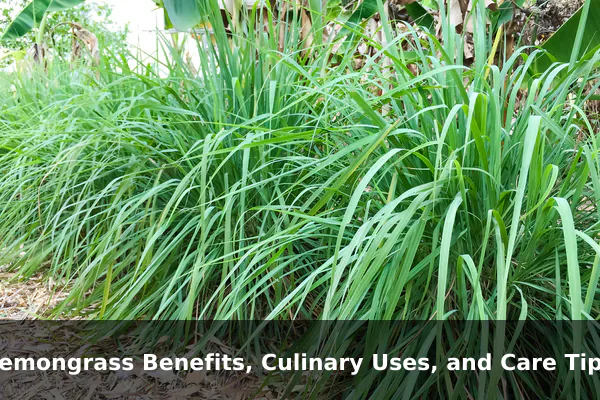
Lemongrass is one of the most useful herbs you can grow if you want a plant that earns its space in the kitchen, the garden, and the tea cup. Known botanically as Cymbopogon citratus, this tropical grass is valued for its bright lemon aroma, firm edible stalks, and vigorous clumping growth. Unlike lemon balm or lemon verbena, lemongrass is not a leafy herb first. Its best culinary flavor comes from the pale, swollen lower stalk, which releases a clean citrus scent without the sharp acidity of lemon juice.
This guide takes an evidence-aware approach to lemongrass benefits, culinary uses, and care tips. Lemongrass has a long history in traditional wellness practices, and modern research has explored its aromatic compounds, antioxidant potential, and possible calming effects. However, strong medical claims should be treated carefully because human clinical evidence remains limited. For most home growers and cooks, lemongrass is best appreciated as a flavorful culinary herb, a fragrant tea ingredient, and a warm-season garden plant that can be grown successfully in containers with the right care.
Below, you will learn what lemongrass is, how to use it safely in food and tea, how to prepare fresh stalks, how to buy and store it, and how to keep a lemongrass plant healthy through watering, pruning, propagation, harvesting, and overwintering.
What Is Lemongrass?
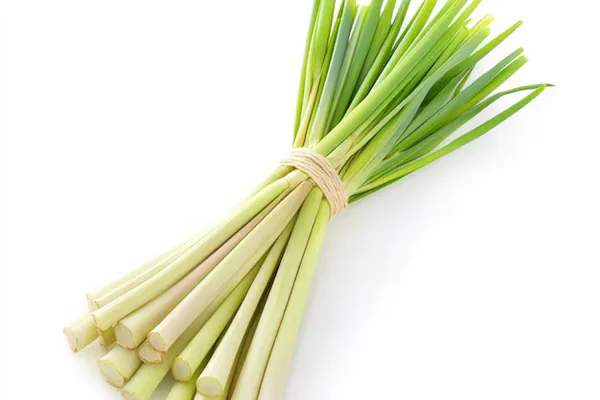
Lemongrass is a perennial tropical grass in the genus Cymbopogon. The species most often used in home cooking is Cymbopogon citratus, sometimes called West Indian lemongrass. Botanical references such as Royal Botanic Gardens, Kew recognize its accepted scientific identity, while university extension resources describe it as an edible, aromatic grass grown for its leaf bases and citrus-scented foliage.
The plant forms dense clumps of long, narrow, blade-like leaves. Mature plants can become large, especially in warm climates, so lemongrass is not usually treated like a small windowsill herb. It behaves more like an ornamental grass with culinary value. The lower stalks are firm, pale, and bulb-like at the base, while the upper leaves are tougher, fibrous, and better suited for infusing flavor than eating directly.
Why Lemongrass Smells Like Lemon
The lemony fragrance comes from natural aromatic compounds in the plant’s essential oils, including citral and related constituents. This aroma is why lemongrass is so common in Southeast Asian cooking, herbal teas, broths, marinades, and fragrance products. The flavor is citrusy, grassy, mildly floral, and slightly ginger-like, but it does not taste exactly like lemon peel or lemon juice.
Edible Parts of the Plant
The most useful edible part is the lower 4 to 6 inches of the stalk, especially the pale inner core after the tough outer layers are removed. The upper leaves can be steeped in liquid and removed before serving, much like a bay leaf. They are usually too fibrous to chew comfortably unless finely processed for a specific recipe.
Key Lemongrass Benefits and What the Evidence Says
Lemongrass benefits are often discussed in broad wellness language, but a careful guide should separate everyday plant benefits from medical claims. As a culinary herb, lemongrass offers flavor with very few calories, helps reduce reliance on heavy sauces, and brings aromatic complexity to soups, curries, teas, and marinades. As a garden plant, it contributes fragrance, texture, and a tropical look. As a traditional wellness herb, it has been used in teas and preparations for digestion, relaxation, and general comfort, although these uses should not be treated as proven cures.
Antioxidant and Plant Compound Potential
Lemongrass contains aromatic plant compounds that have been studied for antioxidant and biological activity, mostly in laboratory or preliminary research settings. This does not mean drinking lemongrass tea will treat disease, but it does help explain why the plant has attracted scientific interest. In practical terms, lemongrass can be part of a varied diet that includes herbs, spices, vegetables, fruits, and other plant foods.
Digestive Comfort and Traditional Use
Many people drink lemongrass tea after meals because it feels light, warming, and aromatic. Traditional use often connects lemongrass with digestive comfort, but high-quality human evidence is limited. If you enjoy the flavor and tolerate it well, a simple infusion can be a pleasant caffeine-free drink. It should not replace medical care for persistent stomach pain, reflux, severe bloating, or unexplained digestive symptoms.
Calming Aroma and Relaxation
Lemongrass is also associated with relaxation because of its fragrance and its use in warm herbal drinks. A small human assessment listed in PubMed has explored lemongrass in relation to pharmacology and human response, but the evidence base is not strong enough to claim that lemongrass reliably treats anxiety or insomnia. A cautious statement is more accurate: lemongrass tea may support a relaxing routine for some people, especially when used as part of a calming evening habit.
Important Safety Cautions
Memorial Sloan Kettering Cancer Center notes that lemongrass has been used traditionally, but it also emphasizes the limits of evidence and the need for caution with side effects, pregnancy, and certain health situations. Pregnant people, people taking medications, and anyone with a medical condition should ask a qualified healthcare professional before using concentrated lemongrass products or taking lemongrass in medicinal amounts. Allergic reactions are possible with many herbs, including lemongrass, so stop use if irritation, rash, breathing symptoms, or unusual discomfort occurs.
Safe Everyday Use: Food, Tea, and Essential Oil
Food use, tea use, and essential oil use are not the same. Fresh lemongrass stalks in a soup are very different from concentrated lemongrass essential oil. This distinction matters because essential oils contain highly concentrated plant compounds and should not be used casually as a substitute for fresh herbs.
Lemongrass in Food
In the United States, federal regulations list lemon grass among essential oils, oleoresins, and natural extractives generally recognized as safe for intended food use under specified conditions. That does not mean unlimited amounts are appropriate, and it does not mean every concentrated product is safe for every person. It simply supports the long-standing role of lemongrass flavoring in food when used as intended.
Lemongrass Tea
Lemongrass tea is usually made by steeping fresh or dried lemongrass in hot water. For a gentle cup, use a small handful of sliced fresh stalk or a modest amount of dried lemongrass, steep for 5 to 10 minutes, and strain before drinking. The flavor becomes stronger and more grassy with longer steeping. If you are new to it, start lightly and see how your body responds.
Lemongrass Essential Oil
Lemongrass essential oil should be handled with much more caution than fresh stalks. It is concentrated, can irritate skin, and should not be swallowed unless under appropriate professional guidance and product labeling. For home use, keep essential oil away from children, pets, eyes, and mucous membranes. If using it topically in aromatherapy contexts, proper dilution and patch testing are important.
Culinary Uses for Fresh Lemongrass
Fresh lemongrass is a kitchen workhorse because it adds citrus fragrance without making a dish sour. It pairs beautifully with coconut milk, garlic, ginger, galangal, chili, lime leaves, cilantro, basil, fish sauce, soy sauce, chicken, seafood, tofu, mushrooms, rice, and noodles. The key is learning how to prepare the stalk correctly.
How to Prepare Lemongrass Stalks
- Trim the root end: Cut off the dry base, leaving the firm lower stalk intact.
- Remove tough outer layers: Peel away dry or woody leaves until the stalk feels fresher and more tender.
- Separate the lower stalk from the leaves: Use the pale lower section for mincing and the upper green leaves for infusions.
- Bruise for soups and broths: Smash the stalk with the side of a knife to release aroma, then simmer and remove before serving.
- Mince finely for pastes: Slice thinly across the grain, then chop or grind into curry paste, marinade, or seasoning paste.
Soups and Broths
Lemongrass is excellent in clear broths and coconut-based soups. Bruised stalks can be simmered with ginger, garlic, chili, lime leaves, mushrooms, chicken, shrimp, tofu, or vegetables. Remove the fibrous pieces before serving unless they have been ground very finely. The result is bright and fragrant without needing much lemon juice.
Curries and Sauces
In curries, lemongrass works best when minced or pounded into a paste with garlic, shallots, chili, turmeric, coriander, or ginger. This allows the tough fibers to break down and distribute flavor evenly. It is especially useful in coconut curries, peanut sauces, satay marinades, and herb pastes for grilled foods.
Marinades and Grilled Dishes
Finely chopped lemongrass can bring depth to marinades for chicken, fish, shrimp, tofu, tempeh, beef, or vegetables. Combine it with oil, garlic, ginger, lime juice, a salty ingredient, and a little sweetness. Because lemongrass can burn if large pieces remain on the surface, scrape off chunky bits before high-heat grilling or use a blended marinade.
Rice, Noodles, and Stir-Fries
A bruised stalk added to the rice pot gives steamed rice a subtle citrus aroma. Minced lemongrass can also be used in noodle bowls and stir-fries, but it must be very finely cut. Large pieces stay woody and can make a finished dish unpleasant. When in doubt, infuse the flavor and remove the stalks before serving.
Herbal Drinks and Desserts
Lemongrass can be steeped with ginger, mint, lime, honey, or green tea for hot or iced drinks. It also works in syrups for fruit salads, sorbets, custards, and light desserts. The flavor is clean and refreshing, making it especially useful when you want citrus aroma without extra acidity.
How to Buy, Store, and Substitute Lemongrass
Good lemongrass should look firm, not shriveled. The lower stalk should feel heavy for its size and have a pale green to whitish base. Avoid stalks that are moldy, slimy, extremely dry, or hollow. Some dry outer leaves are normal, especially if the stalks have traveled through a market supply chain, but the inner core should still be fragrant.
Fresh Lemongrass Storage
Wrap fresh stalks loosely and refrigerate them in the crisper drawer. They often keep for one to two weeks, depending on freshness at purchase. For longer storage, trim and freeze the stalks whole or sliced. Frozen lemongrass loses some crispness, but it remains very useful for soups, broths, curries, and tea.
Dried Lemongrass
Dried lemongrass is convenient for tea and simmered dishes, but it is usually less vivid than fresh. Use it where texture does not matter, such as infusions, broths, spice blends, and slow-simmered recipes. Strain it before serving because dried pieces can be tough.
Frozen and Paste Forms
Frozen chopped lemongrass and prepared lemongrass paste can save time. Check labels for added salt, sugar, oil, or preservatives, especially if using paste in a recipe where seasoning balance matters. Add a small amount first, then adjust to taste.
Best Lemongrass Substitutes
No substitute perfectly matches lemongrass, but some combinations can approximate part of its flavor. Try lemon zest with a small amount of ginger for brightness and warmth. Lime zest, kaffir lime leaf, lemon verbena, or lemon balm may help in certain recipes, but each brings its own character. Avoid replacing lemongrass with lemon juice alone, because juice adds acidity but not the same grassy, aromatic depth.
Growing Lemongrass at Home
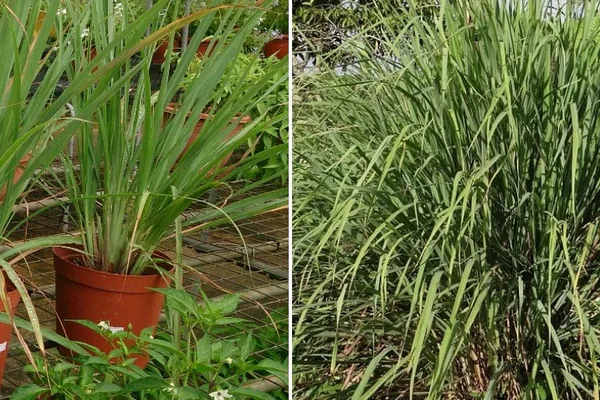
Lemongrass is rewarding to grow because a single healthy clump can provide repeated harvests through the warm season. North Carolina Extension guidance describes Cymbopogon citratus as a plant that prefers full sun and well-drained conditions. In warm climates, it may grow as a perennial. In colder areas, gardeners often grow it as an annual or overwinter it indoors in a container.
Light Requirements
Lemongrass grows best in full sun. Aim for at least 6 hours of direct sunlight daily, with more being helpful where summers are mild. Too little light leads to weak, floppy growth and thin stalks. Indoors, a very bright south-facing window or strong grow light is usually needed for acceptable winter survival.
Soil and Drainage
Use fertile, well-draining soil that holds some moisture without staying soggy. In containers, choose a high-quality potting mix rather than dense garden soil. A pot with drainage holes is essential. Lemongrass likes regular moisture during active growth, but waterlogged roots can decline quickly.
Temperature and Hardiness
Lemongrass is a tropical plant and does not tolerate hard freezing. Gardeners in cold climates should plan to harvest heavily before frost, bring a container indoors, or divide and overwinter a smaller section. In warm regions, it may remain outdoors year-round, but local hardiness and microclimate still matter.
Container Growing
Container growing is often the easiest method for home gardeners because it allows you to move the plant as seasons change. Start with a pot that is wide and deep enough for root growth. A young plant can begin in a medium container, but a mature clump may need a larger pot. If growth slows, roots crowd the container, or water runs straight through, it may be time to divide or repot.
Lemongrass Care Tips: Watering, Feeding, Pruning, and Overwintering
Good lemongrass care is mostly about matching the plant’s tropical growth habit: warmth, sun, moisture, and drainage. It is vigorous when conditions are right, but it struggles when kept cold, shaded, rootbound, or constantly wet.
Watering
Water lemongrass regularly during warm active growth, especially in containers that dry quickly. The goal is evenly moist soil, not swampy soil. Check the top inch of the potting mix; if it feels dry, water deeply until excess drains out. In garden beds, mulch can help conserve moisture while keeping soil temperatures more stable.
Feeding
Lemongrass benefits from moderate feeding during the growing season because it produces a lot of leafy growth. Use compost, a balanced organic fertilizer, or a suitable slow-release plant food according to label directions. Avoid overfeeding late in the season if you plan to move the plant indoors, because soft new growth may struggle in lower winter light.
Pruning and Cleanup
Remove dry, brown, or damaged leaves as needed. Wear gloves if your skin is sensitive, because the leaf edges can be sharp. If a clump becomes messy, trim old foliage back to encourage fresh growth. In frost-free climates, a more substantial seasonal cutback can refresh the plant, but avoid cutting into the crown so severely that it weakens regrowth.
Overwintering Indoors
Before cold weather arrives, move potted lemongrass indoors to a bright, warm location. You can also divide the plant and keep only a smaller section to save space. Growth often slows indoors, so reduce watering compared with summer. Keep the soil lightly moist, provide as much light as possible, and avoid placing the plant near cold drafts or heating vents.
Propagation and Harvesting Tips
Lemongrass is commonly propagated by division. A mature clump naturally produces multiple stalks from the base, and these can be separated into smaller sections. Each division should have roots attached and at least a few healthy shoots. Replant divisions in fresh soil, water well, and keep them warm while they establish.
Rooting Store-Bought Stalks
Sometimes fresh market stalks can root if the base is intact and not too dry. Place the trimmed stalk base in a glass with a small amount of water, keeping the lower end submerged. Change the water regularly. If roots develop, pot it into well-draining mix and transition it into bright light gradually. Success is not guaranteed, especially if the stalks were old, trimmed too closely, or stored cold for too long.
When to Harvest
Harvest when stalks are thick enough to use and the plant has enough growth to recover. Select outer stalks first, leaving the center to keep producing. Cut or twist stalks close to the base without damaging neighboring shoots. Regular light harvesting encourages productive growth, but removing too many stalks at once can weaken a young plant.
How to Keep the Clump Productive
Give the plant room, sunlight, water, and periodic feeding. Divide crowded clumps when stalks become thin or growth declines. In containers, refreshing the potting mix can make a major difference. A well-maintained lemongrass plant can provide both edible stalks and aromatic leaves through much of the growing season.
Common Mistakes to Avoid
Lemongrass is not difficult, but several common mistakes can reduce flavor, plant health, or safety. Avoiding these problems will make the plant more useful and easier to manage.
- Growing it in too much shade: Low light produces weak growth and fewer usable stalks.
- Letting roots sit in soggy soil: Lemongrass likes moisture, but it still needs drainage.
- Using large tough leaves in finished dishes: Infuse them, then remove them, unless they are processed very finely.
- Assuming essential oil equals tea: Concentrated oil is much stronger than fresh or dried lemongrass and needs extra caution.
- Overstating health benefits: Lemongrass can be part of a healthy lifestyle, but it is not a proven treatment for serious conditions.
- Waiting too long to overwinter: Cold damage can happen quickly, so move plants before frost threatens.
- Harvesting a young plant too aggressively: Leave enough stalks and leaves for continued growth.
Simple Ways to Use Lemongrass Every Week
If you grow lemongrass, the easiest way to enjoy it is to build it into ordinary cooking instead of saving it for special recipes. A single stalk can change the character of a pot of rice, soup, or tea.
Weekly Kitchen Ideas
- Add a bruised stalk to vegetable or chicken broth, then remove before serving.
- Steep sliced lemongrass with ginger for a caffeine-free evening drink.
- Blend minced lemongrass into a marinade for grilled tofu, fish, or chicken.
- Simmer it with coconut milk, garlic, and chili for a quick curry base.
- Use lemongrass syrup lightly over fruit, iced tea, or citrus desserts.
Flavor Pairing Guide
For savory dishes, pair lemongrass with garlic, ginger, shallot, chili, cilantro, coconut milk, lime, soy sauce, fish sauce, sesame oil, or turmeric. For drinks and desserts, combine it with honey, mint, ginger, lime, pineapple, mango, green tea, or coconut. These pairings help the citrus fragrance feel balanced instead of sharp or soapy.
Is Lemongrass Worth Growing and Using?
Lemongrass is worth growing if you cook with aromatic herbs, enjoy herbal tea, or want a dramatic warm-season plant that offers both beauty and practical harvests. It is especially valuable because fresh stalks can be expensive or hard to find in some areas, while a healthy container plant can provide repeated cuttings.
The best way to think about lemongrass benefits is realistically. Its strongest everyday benefits are culinary flavor, fragrance, garden texture, and usefulness in homemade teas and broths. Its traditional wellness reputation is interesting, but medical claims should remain cautious, especially because authoritative health references emphasize limited human evidence and potential safety concerns in specific situations.
Conclusion
Lemongrass brings together the best qualities of a culinary herb and an ornamental grass. It gives soups, curries, marinades, teas, rice dishes, and desserts a bright citrus aroma without the acidity of lemon juice. In the garden, it offers tall, graceful foliage and a tropical look, especially in sunny containers or warm-climate beds.
For the healthiest results, grow lemongrass in full sun, use well-draining soil, water consistently during active growth, harvest outer stalks carefully, and protect the plant from frost. In the kitchen, use the tender lower stalk for mincing and the tougher leaves for infusing. For wellness use, enjoy lemongrass as a flavorful food and tea ingredient while treating concentrated products and medicinal claims with appropriate caution. With that balanced approach, lemongrass becomes a reliable, fragrant, and highly useful plant for both cooking and home gardening.
Official references
- Memorial Sloan Kettering Cancer Center – Lemongrass – Evidence-balanced reference for lemongrass health claims, limited human evidence, side effects, interactions, and pregnancy cautions.
- eCFR – 21 CFR 182.20 Essential oils, oleoresins, and natural extractives – Authoritative U.S. regulatory reference listing lemon grass among essential oils/natural extractives generally recognized as safe for intended food use.
- North Carolina Extension Gardener Plant Toolbox – Cymbopogon citratus – University extension reference for plant identification, edible uses, light, drainage, hardiness zones, propagation, and container care.
- Royal Botanic Gardens, Kew – Plants of the World Online (powo.science.kew.org) – Authoritative botanical taxonomy source for accepted name, synonyms, family, and distribution of Cymbopogon citratus.
- PubMed – Pharmacology of lemongrass III: human assessment – Primary human study useful for checking claims about anxiety, sleep, toxicity, and the limits of clinical evidence for lemongrass tea.
