
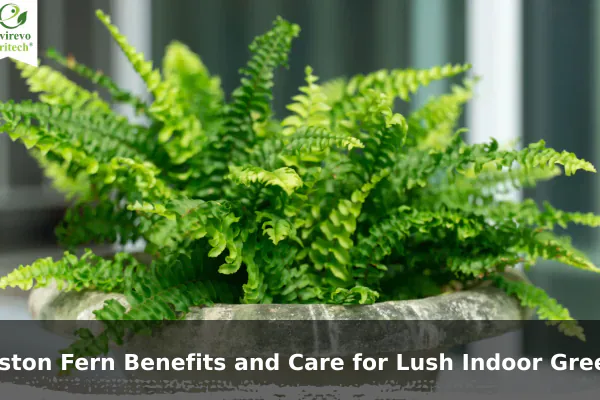
Boston fern remains one of the most recognizable indoor plants for a reason. Its arching fronds, feathery texture, and rich green color bring instant softness to a room in a way that many upright houseplants do not. If you want a plant that makes shelves, corners, bathrooms, and hanging baskets feel fuller and more alive, this classic fern deserves serious attention.
At the same time, Boston fern is not the kind of plant that thrives on neglect. It rewards consistency more than convenience. The key to success is understanding what makes it feel at home indoors: bright filtered light, steady moisture, higher humidity, and regular grooming. Once those basics are in place, the plant can become one of the most beautiful sources of lush indoor greenery in the house.
This guide explains the real Boston fern benefits and care essentials in practical terms. Instead of treating it as just another decorative houseplant, we will look at how to use its natural growth habit, how to build the right indoor conditions, and how to solve the common problems that keep fronds from staying full and healthy.
Why Boston Fern Stands Out as an Indoor Plant
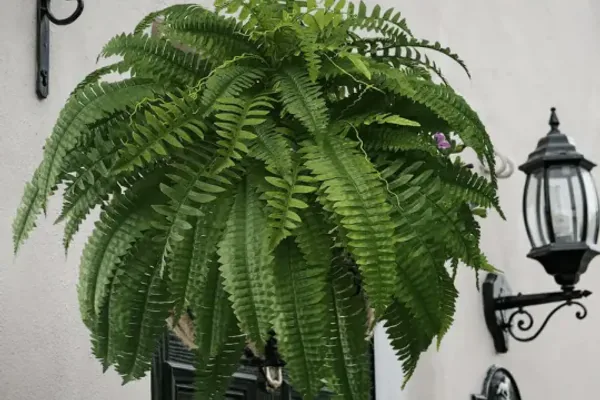
Boston fern, commonly known for its dense fountain-like growth, stands apart from many popular indoor plants because of its texture and movement. While plants such as snake plant, jade plant, or rubber plant create strong architectural lines, Boston fern offers the opposite effect. It creates softness, volume, and a more relaxed visual rhythm.
That difference matters in interior spaces. A room filled only with stiff or upright foliage can look structured but somewhat hard. A Boston fern helps balance that look by adding layered greenery that spills outward and slightly downward. This makes it especially useful in homes where you want a calm, natural, lived-in feel.
A classic houseplant with lasting design value
Some plants become trendy for a few years and then fade from attention. Boston fern has stayed relevant because it works across many decorating styles. It suits traditional rooms, cottage-inspired interiors, minimalist spaces that need softness, and small apartments where every plant has to contribute visual fullness.
Its long, divided fronds catch light in a gentle way. Instead of looking heavy, the plant appears airy even when it is large. That gives you the effect of abundance without visual clutter.
It fills space better than many compact plants
Boston fern is often chosen by people who want a plant to make a room feel greener without buying several separate pots. One healthy specimen can visually fill a plant stand, an empty corner, or a hanging position near a window. Because the fronds arch outward, the plant gives wider coverage than its pot size suggests.
This is one reason Boston fern is especially helpful in indoor styling. You do not need a giant container to create impact. Good care produces a cloud-like shape that reads as lush and generous.
It encourages a more attentive plant routine
There is also a practical reason it stands out: Boston fern teaches better plant habits. It quickly shows the effects of low humidity, irregular watering, poor light, and neglected grooming. For that reason, it can help indoor gardeners move from casual plant ownership to more observant plant care. Once you learn to read a Boston fern, many other foliage plants become easier to manage too.
Key Benefits of Growing a Boston Fern Indoors
The main benefits of a Boston fern are not only about appearance. Its value comes from the way it shapes the atmosphere of a room, supports a greener living environment, and helps you create a fresher indoor look with relatively simple materials.
It creates instant lushness
The most obvious Boston fern benefit is visual density. If your space feels bare, angular, or lacking warmth, this plant can soften it immediately. Its many narrow leaflets create a layered texture that looks rich and established, even when the plant is still fairly young.
That makes Boston fern useful for:
- Filling empty corners with lightweight greenery
- Softening the edges of furniture and shelving
- Making bathrooms and kitchens feel fresher
- Adding movement to plant groupings with larger leaves
- Creating a fuller look in hanging planters
It complements other indoor plants beautifully
Boston fern is rarely the plant people choose for dramatic individual leaves. Instead, it excels as a supporting star in a home plant collection. It pairs especially well with upright and broad-leaved plants because it contributes a fine texture that breaks up visual repetition.
For example, a room with one tall plant and one broad-leaved specimen can still feel incomplete. Add a fern below or beside them, and the arrangement often looks more balanced and natural.
It supports a humidity-friendly indoor garden
Boston fern thrives in moisture-rich air, so it naturally encourages better indoor plant grouping and placement. When you care for this fern properly, you often end up improving the surrounding microclimate for nearby houseplants as well. Clustering compatible plants together, using trays, and choosing more humid rooms can make the entire green corner perform better.
In that sense, Boston fern often improves the way people organize indoor greenery, not just the look of a single pot.
It brings a calming, garden-like feeling indoors
Many indoor plants feel decorative. Boston fern feels atmospheric. Because its fronds are soft and plentiful, it can make an indoor space feel closer to a shaded porch, conservatory, or garden room. This is part of its appeal in bedrooms, reading corners, and bathrooms where people want a more restful setting.
The plant does not demand attention through bold shapes. Instead, it enriches the background, which is often exactly what a comfortable room needs.
It is pet-friendlier than many common houseplants
Boston fern is commonly appreciated by plant owners looking for more pet-conscious choices for the home. While any houseplant should still be placed thoughtfully and kept from rough chewing or damage, Boston fern is often selected by households that want softer greenery without relying on more hazardous ornamental choices.
That practical advantage gives it broader usefulness in family spaces, especially where floor stands or lower shelves are part of the decorating plan.
Best Growing Conditions for Full, Healthy Fronds
If Boston fern is not receiving the right environment, it rarely looks its best for long. The plant may survive poor conditions, but survival and lush growth are not the same thing. To keep it full, bright, and graceful, focus on light, temperature, airflow, and humidity as a connected system.
Light: bright but filtered is best
Boston fern prefers bright indirect light. Think of the kind of light near an east-facing window, or a few feet back from a bright south- or west-facing window with a sheer curtain. Too little light causes thin growth, sparse fronds, and reduced vigor. Too much direct sun can scorch the delicate leaflets and bleach the foliage.
Signs the light is working well include:
- Fronds remain medium to deep green
- New growth appears regularly from the center
- The plant keeps a rounded, full silhouette
- Leaflets stay dense along the fronds
If the plant looks stretched, pale, or weak, increase brightness gradually. Sudden movement from a dim corner to intense window sun can cause stress.
Temperature: steady warmth matters
Boston fern prefers moderate indoor temperatures, generally in the range that feels comfortable to most people. Stable conditions are more important than chasing a perfect number. Sharp swings from hot afternoon glass, cold drafts, or air conditioner blasts can cause stress, browning, and frond drop.
Try to keep it away from:
- Heating vents
- Radiators
- Exterior doors with cold drafts
- Air conditioner airflow
- Harsh midday window heat
Humidity: the real difference maker
If there is one factor that separates a decent Boston fern from a spectacular one, it is humidity. Dry indoor air causes crispy tips, fragile foliage, and a generally tired appearance. The plant may continue living, but it will not deliver the lush greenery people expect.
Higher humidity helps the fronds stay supple and fully expanded. Good ways to improve conditions include grouping plants together, using a pebble tray beneath the pot, placing the plant in a naturally humid room, or using a humidifier nearby during dry seasons.
Bathrooms with bright filtered light are often ideal because they provide extra moisture in the air without requiring constant intervention.
Airflow: fresh but not harsh
Boston fern enjoys fresh air circulation, but not forceful wind. Stale corners can invite pest issues, while strong airflow can dry the fronds rapidly. Aim for normal room circulation rather than direct mechanical air movement.
This balance is often overlooked. People sometimes mistake dry-air damage for a watering issue when the bigger problem is the plant sitting directly under a vent or fan.
Watering and Soil Tips That Prevent Common Problems
Boston fern care often succeeds or fails at the watering stage. The goal is not to keep the soil constantly soaked, and it is not to let the plant dry out deeply between waterings. Instead, the best approach is consistent light moisture in a potting setup that drains well and holds some organic matter.
How to water a Boston fern properly
Check the top layer of the potting mix regularly. When the surface begins to feel slightly dry, water thoroughly until moisture reaches the full root zone and excess drains out. Then allow the plant to settle back into evenly damp, not soggy, soil.
This plant reacts badly to long dry spells. Once the root ball becomes very dry, the fronds may shed, crisp, or lose vitality quickly. Repeated drought stress can make the plant permanently thinner.
What overwatering really means
Many growers use the word overwatering when they actually mean poor drainage or constantly waterlogged soil. Boston fern likes moisture, but it still needs oxygen around its roots. If the pot sits in stale water or dense soil for too long, roots can weaken and the plant begins to yellow or collapse.
To avoid that problem:
- Always use a pot with drainage holes
- Empty decorative cachepots after watering
- Do not let the plant stand in water for long periods
- Use a loose mix rather than heavy garden soil
The best soil character for this plant
Boston fern performs best in a mix that retains moisture without becoming compacted. A good indoor fern mix usually includes organic material for water retention and lighter components for aeration. The exact recipe can vary, but the result should feel fluffy, absorbent, and free-draining.
A suitable potting mix often contains:
- Quality indoor potting soil as the base
- Peat moss or coco coir for moisture retention
- Perlite or pine bark for improved drainage
- Compost or humus in modest amounts for richness
The plant does not need a gritty desert-style mix. It needs a balanced one that stays lightly moist without becoming muddy.
Pot choice also affects moisture balance
The pot material changes how quickly the root ball dries. Terracotta allows faster evaporation and can work well in humid homes or for gardeners who tend to water generously. Plastic or glazed ceramic holds moisture longer and may suit dry indoor conditions better.
Neither is automatically right or wrong. Match the container to your climate, room conditions, and watering habits. If your home air is dry and you forget to water, a moisture-retentive setup will usually be easier.
A simple watering rhythm for beginners
- Check the soil with your finger every few days.
- Water when the top feels only slightly dry, not dusty or bone dry.
- Soak evenly until water drains out.
- Let excess water escape fully.
- Adjust frequency with season, light level, and humidity.
This approach is more reliable than watering on a fixed calendar. Boston fern care improves when you respond to the plant and its soil, not just the date.
Feeding, Pruning, and Repotting for Lusher Growth
Boston fern does not need aggressive feeding or constant interference, but it does benefit from regular maintenance. A healthy plant looks dense because new fronds are encouraged while tired growth is cleaned up before it drags down the overall shape.
Feeding without forcing weak growth
During active growing periods, Boston fern can be fed lightly with a balanced houseplant fertilizer diluted below full strength. The goal is gentle support, not rapid, soft growth. Too much fertilizer may lead to salt buildup, brown tips, or stressed roots.
A practical approach is to feed modestly during spring and summer when the plant is actively producing new fronds, then reduce or pause during slower winter growth. Always water appropriately as part of the routine so the roots are not sitting in concentrated fertilizer.
Why pruning helps appearance so much
Boston fern looks best when dead, broken, or excessively browned fronds are trimmed away. Old fronds do not recover once badly damaged, so holding onto them only makes the plant look thinner and rougher than it really is.
Use clean scissors or pruners to remove fronds at the base when needed. Light grooming also improves airflow and helps new growth show more clearly.
Pruning is useful for:
- Removing fully brown fronds
- Cleaning up snapped or bent growth
- Reducing visual clutter around the crown
- Refreshing the overall rounded form
How to encourage fuller growth
Lush Boston ferns come from accumulated good care, not one special trick. Fullness improves when the plant receives bright filtered light, even moisture, humidity, and occasional feeding. New fronds emerge most strongly when the crown remains healthy and the root system is comfortable.
If your fern has become patchy, avoid extreme pruning all at once unless much of the plant is already damaged. Improve the environment first, then trim gradually as fresh growth appears.
When repotting is necessary
Boston fern eventually becomes rootbound, especially in good conditions. When roots fill the pot too tightly, watering becomes harder to manage because the root ball dries fast and leaves less room for fresh mix. Growth may slow, and the plant can become thirsty almost immediately after watering.
Common signs it is time to repot include:
- Roots crowding the pot surface or drainage holes
- Water running through too quickly
- Soil volume shrinking as roots take over
- Growth becoming less vigorous despite good care
Repotting without shocking the plant
Choose a new pot only slightly larger than the old one, usually one size up. A pot that is too large can stay wet for too long. Refresh the soil, loosen the root ball gently if it is tightly packed, and water the plant in well after repotting. Then keep it in stable, filtered light while it settles.
Repotting is usually best done when the plant is ready for active growth, making recovery smoother and faster.
Common Boston Fern Problems and Easy Fixes
Boston fern communicates stress clearly. The good news is that most problems can be traced back to a few repeat causes. If you identify the pattern early, the plant often recovers well.
Brown tips and crispy edges
This is one of the most common complaints. Brown tips usually point to dry air, inconsistent watering, excess fertilizer salts, or harsh direct sun. In many homes, low humidity is the main issue.
Fix: Increase humidity, keep the soil more evenly moist, flush the pot occasionally to reduce buildup, and move the plant away from hot sun or drying vents.
Yellowing fronds
Yellow fronds can result from aging, but widespread yellowing often signals too much water around the roots, exhausted soil, poor drainage, or low light. If the oldest fronds near the base turn yellow occasionally, that is normal. If many fronds yellow at once, investigate the root environment.
Fix: Check drainage, adjust watering frequency, refresh compacted soil if needed, and make sure the plant is getting sufficient indirect light.
Frond drop and mess on the floor
Boston fern can shed leaflets and older fronds when stressed by dryness, sudden environmental change, or inconsistent care. Moving the plant abruptly from a greenhouse-like setting into dry household air can trigger shedding too.
Fix: Stabilize the environment. Do not keep changing its position. Improve humidity and establish a more regular watering routine.
Limp or flattened fronds
When fronds lose structure, the plant is often either very dry or suffering root stress from soggy conditions. The symptoms can look similar at first glance, so always check the soil before acting.
Fix: If the soil is dry, water thoroughly and increase monitoring. If the soil is wet and sour, reduce watering, improve drainage, and consider repotting into a better mix.
Pests on indoor ferns
Boston fern can occasionally attract common indoor pests such as spider mites, mealybugs, or scale, especially in dry air or neglected corners. Fine-textured foliage makes regular inspection important.
Fix: Isolate the plant if needed, inspect the undersides of fronds, rinse gently, and treat with a houseplant-safe method appropriate for the pest. Improving humidity and airflow also reduces repeat stress that can make infestation worse.
A quick troubleshooting summary
- Brown tips: usually dryness, low humidity, or fertilizer buildup
- Yellow leaves: often drainage or watering imbalance
- Leaf drop: commonly caused by environmental inconsistency
- Limp growth: usually extreme dryness or root trouble
- Pests: more likely when the plant is stressed and air is too dry
Where to Place a Boston Fern in Your Home
Placement is not just a design choice for Boston fern. It is one of the biggest care decisions you will make. The right location reduces the need for constant correction and makes the plant much easier to keep lush.
Bathrooms with natural light
If your bathroom has a bright window with filtered light, it may be one of the best spots in the entire home. Steam from showers raises humidity, which helps the fronds stay fresh. The plant can turn a basic bathroom into a greener, more spa-like space.
Bright bedroom corners
A bedroom corner near an east-facing or softly filtered window can be an excellent choice. The fern adds softness and a calm mood without feeling visually heavy. It works especially well on a stand where the fronds can arch naturally.
Living room shelves and plant stands
In living rooms, Boston fern is most successful where it receives good ambient brightness but is not baked by direct afternoon sun. A dedicated stand a short distance from a window often works better than a dark shelf deep inside the room.
Make sure the fronds have space to spread. If the plant is cramped between objects, the shape loses much of its beauty.
Hanging baskets near filtered light
This is one of the most attractive ways to grow Boston fern indoors. Hanging placement allows the fronds to cascade and show their full form. It also keeps the plant away from pets or foot traffic. Just make sure watering remains practical, since ferns resent being forgotten simply because they are mounted high.
Places to avoid
- Directly above radiators or heaters
- In front of blasting air conditioners
- Dark hallways with little natural light
- Windowsills with harsh midday sun
- Very drafty doorways
The best placement combines beauty with stability. If the spot looks good but constantly dries the plant out or deprives it of light, it is not the right spot.
Quick Care Checklist for Beginners
If you are new to Boston fern care, use this checklist as your baseline routine. It covers the essentials without overcomplicating the process.
Daily to weekly essentials
- Keep the plant in bright indirect light.
- Check soil regularly and water before it becomes fully dry.
- Maintain moderate to high humidity whenever possible.
- Protect the fern from heating vents, cold drafts, and harsh sun.
- Rotate the pot occasionally for balanced growth.
Monthly maintenance
- Trim brown or dead fronds at the base.
- Inspect for pests, especially under fronds.
- Flush soil occasionally if fertilizer salts may be building up.
- Assess whether the plant is becoming rootbound.
Seasonal adjustments
- Water more often during warm, bright growth periods.
- Increase humidity support during dry indoor winter conditions.
- Feed lightly only during active growth.
- Repot when roots crowd the container and watering becomes difficult to manage.
The beginner mindset that works best
Do not approach Boston fern like a drought-tolerant plant. Think of it as a plant that likes steadiness. It does best when you check on it often, notice small changes early, and make gentle corrections before the foliage declines. Consistency matters more than perfection.
How to Keep a Boston Fern Looking Decorative Year-Round
One unique challenge with Boston fern is that people want it to look beautiful all the time, not merely stay alive. Decorative performance matters because this plant is often used as a visual anchor in the room. Keeping that attractive shape year-round depends on maintenance habits that preserve both health and appearance.
Favor fullness over maximum size
Many plant owners focus on getting a larger plant, but Boston fern usually looks better when it stays dense and symmetrical rather than oversized and ragged. Slightly compact, well-managed growth often has more visual value than a huge specimen with bare patches and browned tips.
This means your goal should be:
- Dense fronds
- Even color
- Balanced spread
- Clean crown area
- Minimal damaged foliage
Groom regularly instead of rarely
Frequent light grooming is better than occasional heavy cleanup. Removing a few tired fronds each week helps the plant maintain a fresh appearance and prevents the messy, neglected stage that makes recovery harder.
Use the plant where softness is needed most
Boston fern has its strongest design effect when placed near hard edges such as tile, wood shelves, mirrors, metal fixtures, or straight furniture lines. Its fronds soften those surfaces and make the space feel more natural. In other words, its decorative benefit increases when you use it intentionally, not randomly.
Accept seasonal shifts without panic
Even with good care, Boston fern may look slightly different across the year. Dry winter air, lower light, and slower growth can reduce perfection for a while. Do not assume every small imperfection means failure. Focus on keeping the core conditions stable so the plant can rebound strongly when growth conditions improve.
Conclusion
Boston fern remains one of the best plants for anyone who wants truly lush indoor greenery. Its biggest strengths are not dramatic leaves or extreme toughness, but softness, fullness, and the ability to transform a room with layered green texture. When placed well and cared for consistently, it adds a fresh, classic, garden-like presence that few other houseplants can match.
The most important part of Boston fern care is balance. Give it bright filtered light, steady moisture, breathable soil, higher humidity, and regular grooming. Avoid the extremes of dry neglect, harsh sun, and soggy roots. If you build that routine, the plant will reward you with healthy fronds and a fuller, calmer indoor space that looks alive in every season.
