
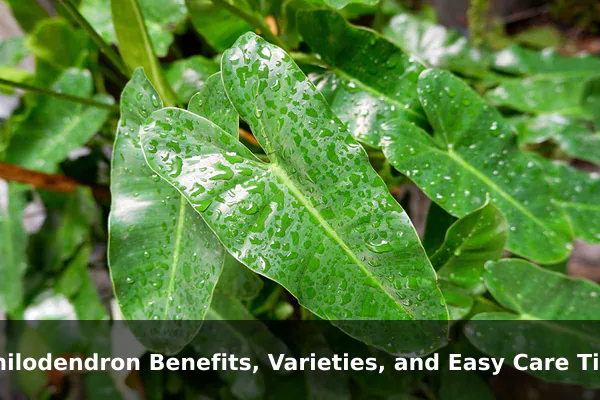
Philodendron is one of the most versatile houseplants you can bring indoors. Rather than describing a single look, the name covers a wide group of tropical plants with very different habits, from trailing vines that soften a bookshelf to upright forms that create a bold focal point in a bright corner. That variety is a major reason philodendrons stay popular with beginners, decorators, and longtime plant collectors alike.
Another advantage is that philodendrons tend to be far less demanding than their dramatic foliage suggests. Many varieties grow well in average indoor conditions, tolerate the occasional missed watering better than fussier plants, and reward simple care with steady growth. They can make a room feel greener and more inviting without forcing you into a complicated care routine.
This guide focuses on the practical side of living with philodendrons: what benefits they offer, which varieties are most useful for different spaces, and how to keep them healthy with easy care habits. If you want a tropical-looking houseplant that feels flexible rather than high-maintenance, philodendron is one of the strongest places to start.
Why Philodendrons Are So Popular Indoors
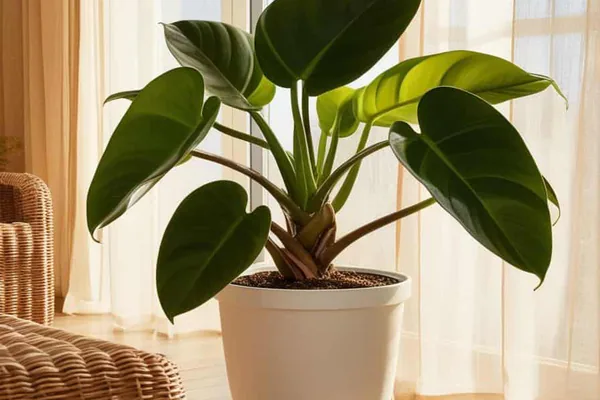
Philodendrons work so well indoors because they solve several plant-owner problems at once. They offer lush foliage, adapt to a wide range of room layouts, and come in sizes and shapes that suit both small apartments and larger homes. Unlike some ornamental plants that are beautiful but rigid in their needs, philodendrons often meet people where they are.
Adaptable Shapes for Real Homes
One of the biggest philodendron benefits is flexibility. You are not limited to one standard form. Trailing types can spill from a hanging planter, climbing types can be trained up a moss pole, and self-heading types grow upright with a fuller, more architectural shape. That means you can choose a philodendron based on how you actually use your room instead of trying to squeeze a plant into an awkward spot.
This makes philodendrons especially useful for indoor styling. A compact variety can sit on a desk without taking over, while a climbing variety can add height and texture to a quiet corner. If you like the tropical feel of large-leaf houseplants but do not want every plant to behave the same way, philodendron gives you more control.
Strong Decorative Value Without Constant Fuss
Philodendrons often look more demanding than they really are. Their leaves can be heart-shaped, velvety, striped, lobed, neon-toned, or dark and glossy, yet many of these plants still follow straightforward care rules. This balance between appearance and ease is part of what makes them so appealing in homes, offices, and small indoor gardens.
They also create a softer, calmer look indoors. While many people talk about houseplants in terms of air quality, the everyday benefit most owners notice first is visual comfort. A healthy philodendron can make a room feel more finished, more natural, and less flat. That is a meaningful benefit for people who want greenery that improves atmosphere as much as decor.
Beginner-Friendly, Yet Interesting for Collectors
Another reason philodendrons stand out is that they scale well with experience. A beginner can start with an easy Heartleaf Philodendron and learn the basics of watering, pruning, and repotting without much stress. Later, the same person can branch into more specialized varieties such as Birkin, Micans, or Pink Princess, each with different visual traits and slightly different expectations.
In other words, philodendron is not just a starter plant. It is a plant group you can grow with. That makes it more engaging than many simple houseplants that feel limited once you know the basics.
- They offer visual variety through trailing, climbing, and upright growth habits.
- They suit different room sizes from shelves and desks to floor planters.
- They are approachable for beginners because many common types tolerate normal indoor conditions.
- They stay interesting over time thanks to the wide range of leaf shapes, textures, and colors.
- They fit modern interior styling whether you prefer minimal, tropical, or cozy spaces.
Common Philodendron Varieties to Know
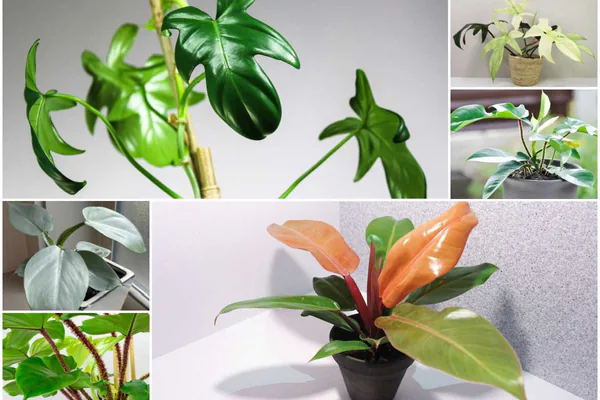
Not all philodendrons look or behave the same, so choosing the right variety matters. Some are forgiving vines for casual growers, while others are better for people who enjoy watching growth patterns and leaf color closely. Knowing a few popular types helps you pick a plant that matches your space and expectations.
Heartleaf Philodendron
Philodendron hederaceum, often called Heartleaf Philodendron, is one of the easiest and most widely recommended options. It has green, heart-shaped leaves and a trailing or climbing habit. In hanging pots it creates a soft cascade, and on a support it can grow upward with a neater vertical look.
This variety is ideal for beginners because it is forgiving, grows steadily, and adapts well to average indoor light. It is also often confused with pothos, but Heartleaf Philodendron usually has thinner, softer leaves and a more delicate vine structure. If you want an unfussy classic, this is a strong first pick.
Philodendron Brasil
Philodendron Brasil is a cultivar of the Heartleaf type, but its leaves are streaked with lime and green variegation. It gives you the same easy-going growth habit with a brighter, more decorative finish. The foliage looks especially effective on shelves, plant ladders, and wall-mounted planters where the color variation can catch the light.
Because variegated leaves have less chlorophyll in some areas, Brasil usually appreciates brighter indirect light than a plain green Heartleaf. It is still beginner-friendly, but it tends to look fuller and more vibrant when placed near a bright window with filtered light.
Philodendron Micans
Philodendron Micans is a favorite for people who want texture rather than bold variegation. Its leaves are velvety and can shift in appearance from deep green to bronze depending on light and angle. That subtle sheen gives it a more refined look than many common vine plants.
Micans works well in cozy interiors because it has a softer visual presence than large, glossy tropical leaves. It still follows easy philodendron care basics, but it benefits from consistent watering and moderate humidity to keep the foliage looking smooth and rich.
Philodendron Birkin
Philodendron Birkin is known for its cream or white pinstripe variegation across dark green leaves. Unlike vining types, Birkin grows in a more upright, compact form, which makes it practical for tabletops, sideboards, and small plant stands. It offers a polished, contemporary look that suits modern interiors.
Birkin is not especially difficult, but it is less forgiving than the classic Heartleaf group. It prefers bright indirect light and more even care. If you want a philodendron that looks structured and high-impact without taking much floor space, Birkin is a strong choice.
Philodendron Xanadu
Often sold as Philodendron Xanadu, this plant is valued for its deeply lobed leaves and full, shrub-like form. Instead of climbing or trailing, it forms a dense clump that can fill out a container beautifully. It gives you a tropical statement without needing a trellis or pole.
Xanadu suits people who want a fuller plant silhouette from the start. It can work well near bright windows, entryways, and larger living rooms where a broader leaf shape adds movement and depth. It is useful when you want a plant that looks substantial rather than delicate.
Pink Princess Philodendron
Pink Princess is one of the most recognizable collector philodendrons because of its dramatic dark leaves and irregular pink variegation. No two leaves are exactly the same, which is a big part of the appeal. It is more of a statement plant than a basic background plant.
That said, Pink Princess is not always the best first philodendron. It tends to grow more slowly, needs good bright indirect light to support healthy variegation, and may be more expensive than standard varieties. It is best for growers who enjoy the process of monitoring growth and are willing to be patient.
These examples show why philodendron is such a broad indoor category. You can choose soft and trailing, compact and striped, velvety and understated, or bold and collectible without leaving the philodendron family.
How to Choose the Right Philodendron for Your Space
The best philodendron is not always the rarest or the prettiest in isolation. It is the one that fits your light, your routine, and the kind of display you want. A smart match at the beginning usually leads to better growth and less frustration later.
Match Growth Habit to Placement
Start by thinking about where the plant will live. Growth habit matters just as much as leaf color.
- Trailing philodendrons such as Heartleaf, Brasil, and Micans are great for shelves, hanging baskets, and tall cabinets.
- Climbing philodendrons are best if you want vertical growth on a moss pole or stake.
- Upright or self-heading types such as Birkin and Xanadu work well on plant stands, consoles, and corners where you want a fuller shape.
If your space is small, a trailing philodendron can add plenty of greenery without claiming floor area. If you want a plant to anchor a room visually, an upright type may be more effective.
Choose Based on Light and Maintenance Style
Next, be honest about light conditions. Many philodendrons tolerate medium light, but brighter indirect light usually produces better color, stronger stems, and healthier leaves. Variegated types especially need more brightness than solid green varieties.
Your care style matters too. If you prefer a plant that can handle the occasional inconsistency, choose an easier green variety. If you enjoy checking leaves, rotating pots, and watching for new patterns, a more decorative cultivar may suit you better. There is no wrong choice, but there is a more realistic one.
Think About Visual Mood
Different philodendrons create different atmospheres. A plain green Heartleaf feels relaxed and classic. Micans feels moody and textural. Birkin looks crisp and modern. Pink Princess reads as bold and collectible. Xanadu feels lush and tropical. When you pick according to visual mood, the plant tends to integrate better with the room instead of looking accidental.
- Measure the space where the plant will sit or hang.
- Check how much natural light reaches that spot during the day.
- Decide whether you want trailing, climbing, or upright growth.
- Choose green varieties for easier care or variegated types for stronger visual contrast.
- Think ahead about mature size, not just the nursery pot size.
This decision process helps philodendron feel more like a deliberate design and lifestyle choice, not just another impulse plant purchase.
Easy Care Tips for Healthy Growth
Philodendron care becomes simple once you understand the pattern: bright but indirect light, moderate watering, loose soil, and a stable indoor environment. Most problems start when one of those basics becomes extreme.
Light: Bright Indirect Is the Safe Default
Most philodendrons grow best in bright indirect light. That usually means a spot near a window where the plant receives plenty of brightness but not harsh direct midday sun on the leaves. A little gentle morning sun may be fine for some varieties, but strong afternoon sun can scorch foliage, especially on thinner or variegated leaves.
Green philodendrons usually tolerate medium light better than variegated ones, though growth may slow and stems may stretch. If your philodendron becomes leggy or new leaves stay small, light is often the first thing to improve.
Watering: Let the Top Layer Dry First
A simple rule works for most philodendrons: water when the top 1 to 2 inches of soil feel dry. The exact schedule depends on pot size, room temperature, humidity, season, and how much light the plant receives, so it is better to check the soil than to follow a rigid calendar.
When you water, do it thoroughly until excess moisture drains from the bottom. Then let the plant return to a lightly dry state before watering again. Constantly wet soil is much riskier than waiting a little too long. Philodendrons dislike soggy roots, and overwatering is one of the fastest ways to cause decline.
Soil and Potting: Keep It Airy
Philodendrons prefer a loose, well-draining potting mix that holds some moisture without becoming dense. A quality indoor potting mix improved with materials such as perlite, orchid bark, or coco chips usually works well. The goal is airflow around the roots, not heavy compacted soil that stays wet for too long.
Choose a pot with drainage holes. Decorative cachepots are fine if you remove the nursery pot to water or make sure no standing water collects at the bottom. A pot that looks beautiful but traps moisture can create avoidable root problems.
Humidity and Temperature: Steady Beats Extreme
Philodendrons are tropical plants, so they appreciate moderate humidity and stable warmth. Most common varieties do well in normal indoor household temperatures, generally between 65 and 85 degrees Fahrenheit. They prefer avoiding cold drafts, air conditioner blasts, and sudden temperature swings.
Average home humidity is often acceptable for easy varieties, but more delicate or velvety types may look better with a little extra moisture in the air. If brown edges become common in a very dry room, grouping plants together or using a humidifier can help more than frequent misting.
Feeding, Pruning, and Support
During active growing months, a balanced houseplant fertilizer used at a mild dose every few weeks can support steady growth. Philodendrons generally do not need heavy feeding, so it is safer to underdo fertilizer than overdo it. In slower winter conditions, many plants need less or none.
Pruning is helpful for shape and fullness. Trim leggy vines just above a node to encourage branching. Remove yellow or damaged leaves so the plant can direct energy to healthy growth. Climbing philodendrons may also benefit from a pole or support; when given something to climb, some varieties produce larger and more mature-looking leaves over time.
- Best light: bright indirect light.
- Best watering approach: check soil first, then water deeply.
- Best soil style: airy, chunky, and fast-draining.
- Best feeding habit: light and consistent during active growth.
- Best long-term habit: observe the plant and adjust rather than forcing a strict schedule.
Common Problems and Simple Fixes
Even easy philodendrons can show stress when care drifts too far in one direction. The good news is that most common issues are readable if you know what the leaves and stems are telling you.
Yellow Leaves
A yellow leaf does not always mean disaster. Older leaves naturally age out. However, multiple yellow leaves at once often point to overwatering, poor drainage, or soil staying wet for too long. Check the moisture level, inspect the pot for proper drainage, and reduce watering frequency if the mix is not drying reasonably between waterings.
Leggy Growth and Smaller New Leaves
If stems stretch and the spaces between leaves get longer, your philodendron is probably asking for more light. Move it closer to a bright window, rotate the pot regularly, and prune weak growth if needed. For climbing types, adding a support can also improve structure and leaf size.
Brown Tips or Crispy Edges
Brown edges may come from dry air, inconsistent watering, excess fertilizer, or a combination of those stresses. First check whether the soil is drying out too far between waterings. Then review humidity, feeding strength, and whether the plant is sitting near hot or cold airflow.
Root Rot and Pests
Root rot is usually a consequence of chronic overwatering and poor aeration. Signs include soft stems, a sour smell in the pot, and leaves yellowing while the soil remains wet. If you catch it early, you may be able to trim damaged roots and repot into fresh airy mix.
Common pests include spider mites, mealybugs, and scale. Regularly checking the undersides of leaves and stem joints helps you spot trouble early. A gentle wipe-down and appropriate insecticidal treatment are much easier when the infestation is still small.
- Yellow leaves: reduce excess moisture and improve drainage.
- Leggy vines: increase light and prune for better branching.
- Brown edges: stabilize watering and humidity.
- Drooping plant: check both dry soil and waterlogged roots before reacting.
- Pests: isolate the plant and treat early rather than waiting.
Philodendron Care at a Glance
If you want a quick reference, these are the core care points that keep most philodendrons thriving indoors.
- Light: bright indirect light is ideal; green forms tolerate medium light better than variegated forms.
- Water: water when the top layer of soil dries; never let roots sit in water.
- Soil: use a loose, well-draining indoor plant mix with extra aeration.
- Pot: always choose a container with drainage holes.
- Humidity: average indoor levels are usually fine, though some varieties appreciate extra humidity.
- Temperature: keep in warm, stable indoor conditions away from drafts.
- Fertilizer: feed lightly during active growth, then reduce in slower seasons.
- Maintenance: prune weak growth, clean leaves, and repot only when roots outgrow the container.
A Simple Weekly Check Routine
- Feel the topsoil before watering.
- Look for yellowing, spotting, or pest activity under the leaves.
- Rotate the pot for more even growth.
- Trim any damaged foliage.
- Make sure decorative pots are not holding excess water.
This kind of brief weekly observation is often more effective than a complicated care schedule because it helps you respond to what the plant is actually doing.
Final Tips for Long-Lasting Philodendrons
Philodendrons stay attractive longest when care is consistent rather than intense. A healthy plant is usually the result of small repeatable habits, not dramatic interventions.
Repot Only When the Plant Truly Needs It
It is tempting to move a new plant into a much larger pot right away, but too much extra soil can stay wet longer than the roots can use it. Repot when roots are circling heavily, pushing from drainage holes, or drying the pot unusually fast. Moving up just one pot size at a time is usually enough.
Train the Plant You Want to Grow
Philodendrons are highly shapeable. If you want a fuller trailing plant, prune the vines regularly. If you want larger climbing foliage, give the plant a stake or moss pole early and guide new growth upward. This is one of the most rewarding parts of philodendron care because the plant can be styled over time instead of simply maintained.
Propagate to Refresh Older Plants
Many vining philodendrons are easy to propagate from stem cuttings with nodes. Propagation lets you thicken a pot, share plants, or restart an older vine that has become sparse near the base. For many growers, this is another practical benefit of philodendron: it is a plant that can be multiplied without advanced techniques.
Remember the Safety Side
Like many common aroids, philodendrons are not petsafe if chewed. They contain calcium oxalate crystals that can irritate the mouth and digestive tract. If you have curious pets or small children, place the plant out of reach and choose locations carefully. Good plant styling should always include good plant safety.
When you combine the right variety with the right placement, philodendrons become some of the easiest foliage plants to keep looking impressive year after year.
Conclusion
Philodendrons earn their popularity because they offer more than one kind of benefit. They bring strong decorative value, adapt to different indoor layouts, and come in enough forms that almost any plant owner can find one that fits their space. Whether you prefer a trailing Heartleaf, a striped Birkin, a velvety Micans, or a statement Pink Princess, there is a philodendron style for nearly every room.
The key to success is simple: choose the right variety first, then support it with bright indirect light, moderate watering, airy soil, and a stable environment. Do that consistently, and a philodendron can become one of the most reliable and attractive houseplants in your collection.
