
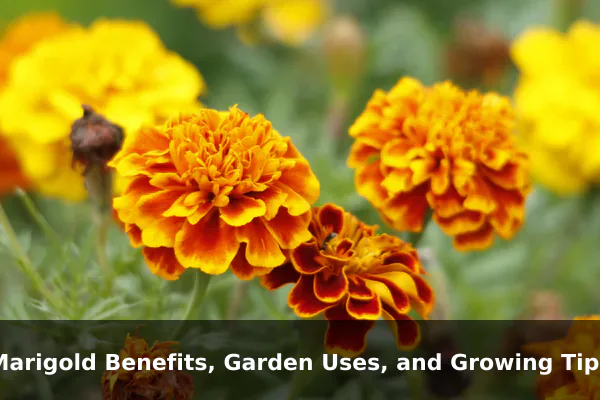
Marigolds are one of the most recognizable flowers in home gardens, and for good reason. Their bright orange and yellow blooms deliver cheerful, reliable color from late spring through the first frost, making them one of the longest-blooming annuals available to gardeners at any skill level. They are inexpensive, widely available at nurseries, and straightforward to grow from seed.
Beyond their looks, marigolds carry real practical value. Gardeners have grown them alongside vegetables for generations, taking advantage of their strong scent and root chemistry to help keep unwanted insects and soil pests at bay. Whether you have a large vegetable plot, a small raised bed, or a few containers on a balcony, marigolds fit naturally into almost any growing space.
This guide covers why marigolds are so widely grown, how to use them effectively in your garden, and everything you need to establish healthy, productive plants from the first seed to the last bloom of the season.
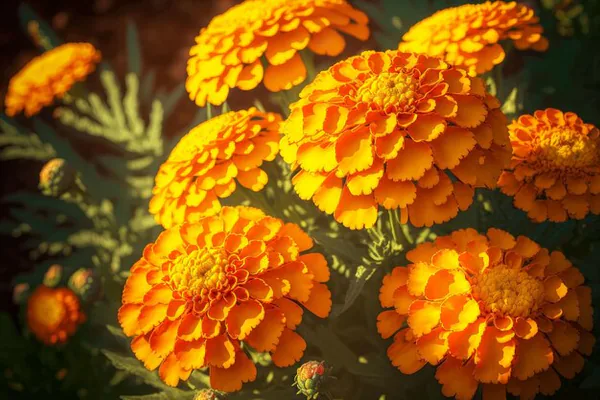
Why Marigolds Are Popular in Home Gardens
Marigolds belong to the genus Tagetes and are native to the Americas. The three types you will encounter most often at garden centers are:
- French marigolds (Tagetes patula) – compact at 6–12 inches tall, ideal for borders and containers
- African marigolds (Tagetes erecta) – taller at 18–36 inches with bold, globe-shaped blooms and sturdy cut stems
- Signet marigolds (Tagetes tenuifolia) – delicate lacy foliage, small edible flowers, well suited to pathway edging
All three share the core traits that make marigolds consistently popular: they are heat-tolerant, drought-resilient once established, and bloom reliably with minimal maintenance. That combination makes them a natural first choice for beginners who want dependable color and for experienced gardeners who need trustworthy companions in the vegetable bed.
Top Benefits of Marigolds
Ornamental Value
Few annuals can match the visual impact of marigolds across a full growing season. Their color range — from pale lemon yellow to deep burnt orange and rich burgundy — works equally well in formal flower borders and relaxed cottage gardens. Unlike many spring-blooming plants that peak and fade quickly, marigolds deliver consistent color for months.
Pollinator Support
Marigolds attract bees, butterflies, and hoverflies throughout the growing season. The open, pollen-rich flowers are particularly appealing to beneficial hoverflies, whose larvae actively feed on aphids. Planting marigolds near fruiting vegetables and herbs brings more pollinators into the area, which can improve yields for crops that depend on insect activity to set fruit.
Pest Management
Marigolds are a staple of companion planting because their roots release compounds toxic to certain root-knot nematodes — microscopic soil pests that damage vegetable root systems. French marigolds are the most researched variety for this effect, with studies showing meaningful nematode suppression when they are planted densely over a full growing season. The pungent scent of marigold foliage is also thought to confuse or deter several above-ground pests, though mass planting produces better results than a single border plant.
Long Season of Color
Most annuals bloom intensely for a short window and then fade. Marigolds are different. Plant them in spring and they continue flowering until hard frost arrives. With regular deadheading, the display grows denser and more prolific as summer advances, giving you value all the way into autumn.
Best Garden Uses for Marigolds
Companion Planting in Vegetable Gardens
Plant French marigolds in and around tomatoes, peppers, squash, eggplant, and brassicas. The classic recommendation for meaningful nematode control is one marigold plant for every three to four vegetable plants, maintained throughout the full growing season. They also work well planted as a dense border row around the perimeter of a vegetable bed.
Borders and Pathway Edges
African and French marigolds create tidy, colorful borders along paths, fences, and the edges of raised beds. Their upright habit and dense flowering pattern hold their shape all season without requiring staking or repeated trimming.
Container and Patio Gardening
Compact French and signet marigolds excel in pots, window boxes, and patio containers. Their drought tolerance makes them forgiving if you occasionally miss a watering. Pair them with trailing plants like calibrachoa for contrast, or grow them solo in terracotta pots for a simple, bold display.

How to Grow Marigolds Successfully
Sun and Soil Requirements
Marigolds need full sun — a minimum of six hours of direct sunlight daily. They will tolerate partial shade, but flowering decreases noticeably in shadier conditions. They prefer well-draining soil with moderate fertility. Heavily amended, nitrogen-rich soil tends to push leafy growth at the expense of blooms.
Watering
Water at the base of the plant rather than overhead to reduce the risk of fungal problems. Established marigolds are moderately drought-tolerant but flower better with consistent soil moisture. Allow the top inch of soil to dry slightly between waterings, and avoid letting plants sit in waterlogged ground.
Feeding and Spacing
Marigolds are not heavy feeders. A balanced, slow-release fertilizer worked into the soil at planting time is usually enough for the full season. Over-feeding, especially with high-nitrogen products, encourages foliage over flowers. Space plants according to their type:
- French marigolds: 8–10 inches apart
- African marigolds: 12–18 inches apart
- Signet marigolds: 8–12 inches apart
Proper spacing improves air circulation and significantly reduces the risk of powdery mildew later in the season.
Starting Marigolds From Seeds or Nursery Plants
Direct Sowing and Indoor Starting
Marigolds are one of the easiest annuals to start from seed. After your last frost date, press seeds about ¼ inch deep into prepared garden soil. Germination takes just 5–7 days when soil temperatures are warm (65–75°F / 18–24°C). For an earlier start, sow indoors 4–6 weeks before your last expected frost using standard cell trays and potting mix. Transplant outdoors once nighttime temperatures hold consistently above 50°F (10°C).
Buying Nursery Transplants
Transplants give you a head start of several weeks without any germination guesswork. Look for compact, dark green plants with a few buds that have not yet fully opened — these establish better than plants already in peak bloom. Pinch the growing tips right after planting to encourage bushier, more branching growth from the start.
Simple Care Tips for More Blooms
Keeping marigolds productive through the season comes down to a few consistent habits:
- Deadhead regularly: Remove faded flowers by pinching or snipping just below the spent bloom. This prevents seed set and signals the plant to produce new buds continuously.
- Trim leggy stems mid-season: If plants become stretched in midsummer, cut them back by one-third to refresh growth and encourage new branching and bud production.
- Mulch lightly: A thin layer of mulch around the base conserves moisture, suppresses weeds, and keeps soil temperatures stable during summer heat.
- Water consistently: Plants under drought stress stop flowering. Maintain even soil moisture, especially during prolonged hot and dry spells.
Common Marigold Problems and Fixes
Powdery Mildew
A white, powdery coating on leaves is usually powdery mildew, triggered by humid air and poor circulation. Fix it by improving plant spacing, watering at soil level instead of overhead, and removing heavily affected leaves promptly.
Leggy or Sparse Growth
Stretched, thin stems with few flowers usually signal too little sunlight or overcrowding. Move container plants to a sunnier location, or thin garden plants to allow more light and airflow to each stem.
Poor Flowering
Low bloom production is most often caused by excess nitrogen, insufficient sun, or infrequent deadheading. Switch to a low-nitrogen, higher-phosphorus fertilizer, confirm the planting spot receives full sun, and deadhead more frequently to keep the plant focused on producing new flowers.
Aphids and Spider Mites
Light infestations of aphids or spider mites can be dislodged with a strong stream of water directed at the undersides of leaves. For persistent infestations, apply insecticidal soap spray in the early morning and repeat every five to seven days until the problem clears.
Are Marigolds the Right Plant for Your Garden?
Marigolds offer a rare combination of ornamental appeal, practical function, and beginner-friendly growing requirements. They are easy to start from seed, inexpensive to buy as transplants, and productive for a far longer stretch of the season than most flowering annuals. Their proven role in companion planting makes them a smart addition to any vegetable garden, while their consistent color fills ornamental beds with almost no special effort.
If you have a sunny patch of ground, a pot on a balcony, or a vegetable bed that could use both visual impact and a natural layer of pest management, marigolds belong in your planting plan. Start them in spring, keep up with deadheading through the summer, and they will reward you with steady blooms from late spring right through to the season’s first frost.
