
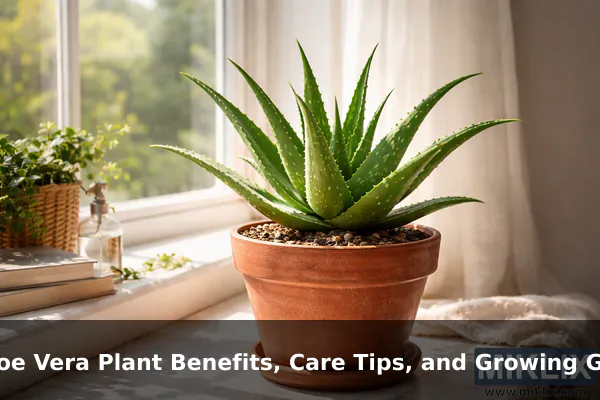
Few houseplants are as instantly recognizable as aloe vera. With its thick, spiky, gel-filled leaves and its reputation as a soothing skin remedy, this hardy succulent has earned a place on kitchen counters, sunny windowsills, and patio gardens around the world. It is prized not only for its ornamental, sculptural look but also for being remarkably forgiving, making it one of the best plants for beginners and busy households alike.
Still, aloe vera deserves a thoughtful approach. Its popular home uses, its safety profile for people and pets, and its growing needs each come with important nuances. Topical and oral uses, for example, carry very different evidence and very different risks. The good news is that healthy, attractive growth comes down to a handful of reliable basics: bright light, fast-draining soil, careful watering, and protection from cold. This guide walks through all of it, balancing aloe vera’s real appeal with cautious, practical advice.
What Makes Aloe Vera a Useful Plant?
Aloe vera (Aloe barbadensis) is a clumping succulent that stores moisture in its fleshy leaves, allowing it to thrive with minimal attention. That water-storing ability is exactly what makes it so resilient indoors, and it is also what gives the leaves their characteristic clear inner gel.
A Low-Maintenance, Decorative Succulent
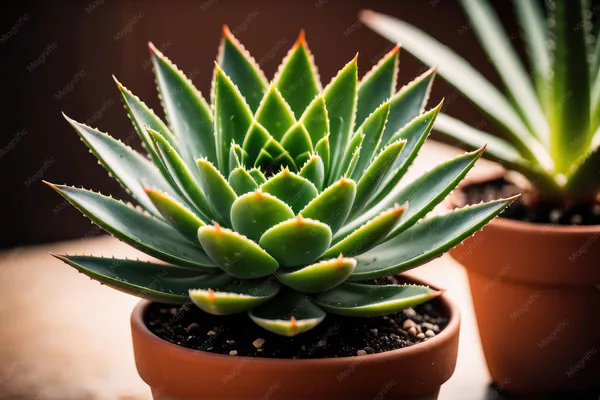
As an ornamental plant, aloe vera offers strong architectural appeal. Its rosette of upright, gray-green leaves looks tidy in modern interiors and pairs well with other succulents. Because it tolerates neglect far better than overcare, it is ideal for small spaces, offices, and anyone new to gardening.
Common Household Roles
- Decoration: A striking, compact accent plant for desks and windowsills.
- Air of greenery: An easy way to add living texture to low-effort spaces.
- Gel source: Many people keep a plant on hand to use the fresh inner gel topically for minor skin comfort.
It is worth keeping expectations realistic: aloe vera is a wonderful, easygoing plant, but it is not a cure-all. Its value as a houseplant stands on its own, separate from any health claims.
Aloe Vera Benefits: What to Know Before Using It
Aloe vera is most commonly associated with topical skin care. The clear gel from the inner leaf is widely applied to help soothe minor skin discomfort, and it is a familiar ingredient in lotions and after-sun products.
Topical Uses
People often reach for fresh aloe gel for everyday concerns such as minor skin irritation or sunburn-type discomfort. According to the U.S. National Center for Complementary and Integrative Health (NCCIH), the evidence for aloe’s various uses is mixed and varies by application, so it is best viewed as a soothing comfort measure rather than a guaranteed treatment. If a skin problem is serious, painful, infected, or not improving, consult a healthcare professional rather than relying on aloe alone.
Topical Gel Versus Oral Products Are Not the Same
A crucial distinction: the clear topical gel is very different from oral aloe products. Oral aloe preparations—especially those made from the whole leaf or containing the latex—raise separate and more serious safety concerns. Do not assume that because the gel feels gentle on skin, swallowing aloe is equally harmless. The two uses should be considered independently.
Safety Notes for People and Pets
Aloe vera is generally well tolerated when the inner gel is used topically, but ingestion is where caution becomes essential.
Cautions for People
- Avoid the latex: The bitter yellow latex found just under the leaf skin contains compounds (such as aloin) that can act as a stimulant laxative. U.S. regulators have addressed aloe ingredients in over-the-counter laxative products, and consuming latex or unverified oral aloe is not advised.
- Whole-leaf extract concerns: International health agencies have evaluated non-decolorized whole-leaf aloe extract in the context of cancer-related safety research, which is another reason to be cautious about oral whole-leaf products.
- Pregnancy and breastfeeding: Oral aloe is generally discouraged during pregnancy and breastfeeding; speak with a healthcare provider first.
- Medication interactions: Aloe taken orally may interact with certain medications. If you take prescription drugs, check with a professional before using oral aloe.
Cautions for Pets
According to the ASPCA, aloe is considered toxic to dogs, cats, and horses. The toxic principles (including saponins and anthraquinones) can cause clinical signs such as vomiting, lethargy, and diarrhea if pets chew or eat the plant. Keep aloe vera out of reach of curious animals, and contact a veterinarian or animal poison control if ingestion is suspected.
Best Growing Conditions for Aloe Vera
Aloe vera is easy to please once you match its native, dry-climate preferences. The core needs are plenty of light, warmth, and excellent drainage.
Light and Temperature
- Light: Provide bright light. A sunny windowsill with bright, mostly indirect light is ideal indoors; some direct sun is fine, but move plants gradually to avoid sudden scorching.
- Temperature: Aloe prefers warm conditions and is sensitive to cold. Protect it from frost and chilly drafts, and bring outdoor plants inside before temperatures drop.
Containers and Soil
- Pot: Choose a container with drainage holes. Terracotta is excellent because it wicks away excess moisture.
- Soil: Use a fast-draining cactus or succulent mix. You can improve drainage further by adding perlite, coarse sand, or grit.
- Placement: Indoors near a bright window, or outdoors in warm climates in a spot with good light and shelter from extreme afternoon heat in the hottest regions.
How to Water and Feed Aloe Vera
Overwatering is the single most common way to harm an aloe vera plant. Because it stores water in its leaves, it needs far less frequent watering than typical houseplants.
The Soak-and-Dry Method
- Water thoroughly until moisture drains from the bottom of the pot.
- Then wait until the soil has dried out almost completely before watering again.
- Empty any saucer so the roots never sit in standing water.
Reading the Signs
- Overwatering: Soft, mushy, translucent, or yellowing leaves and a soggy base point to too much water and possible root rot.
- Underwatering: Thin, curling, or puckered leaves suggest the plant is thirsty.
- Seasonal changes: Water less in cooler, darker months when growth slows, and slightly more during warm, active growth.
Feeding
Aloe vera needs very little fertilizer. A diluted, balanced succulent fertilizer applied sparingly during the growing season is more than enough. When in doubt, feed less rather than more.
Repotting and Propagating Aloe Vera Pups
A happy aloe will often produce small offsets, commonly called pups, around its base. These make propagation simple and free.
When to Repot
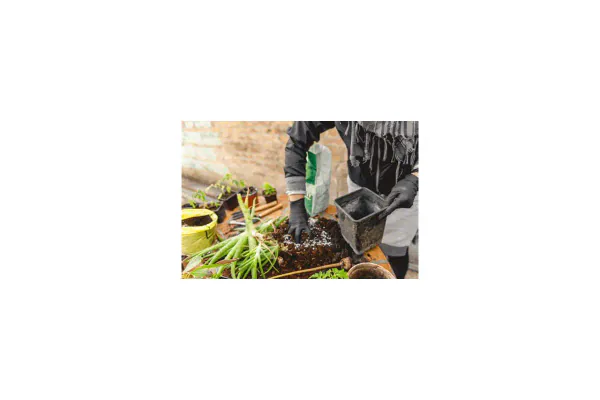
Repot when the plant becomes crowded, tips over from being top-heavy, or fills its container with roots and pups. Spring or early summer is a good time, using fresh, fast-draining mix and a slightly larger pot with drainage holes.
Separating and Establishing Pups
- Gently remove the plant and locate pups that have their own small roots.
- Separate each pup carefully, keeping as many roots intact as possible.
- Let any cut or torn surfaces callus (dry over) for a day or two before potting, which helps prevent rot.
- Pot pups in dry succulent mix, wait several days, then begin light watering as they establish.
Common Aloe Vera Problems and Fixes
Most aloe issues trace back to watering, light, or temperature. Quick diagnosis usually leads to a quick fix.
Quick Diagnosis Guide
- Mushy, translucent leaves: Overwatering or root rot—reduce watering, improve drainage, and repot into fresh dry mix if the base is soft.
- Brown, crispy tips: Often underwatering, very dry air, or mineral buildup—adjust watering and review conditions.
- Stretching or leaning (etiolation): Too little light—move to a brighter spot.
- Reddish or scorched patches: Sudden, intense direct sun—acclimate gradually to stronger light.
- Pests: Watch for mealybugs or scale; wipe leaves and treat with appropriate gentle methods.
- Root rot: Trim affected roots, let the plant dry, and replant in fresh, well-draining soil.
Harvesting Aloe Gel the Right Way
If you choose to use fresh gel, careful harvesting keeps things clean and helps you avoid the bitter latex.
Step-by-Step
- Select a mature outer leaf and cut it close to the base with a clean knife.
- Drain the latex: Stand the cut leaf upright for a few minutes so the yellow latex can drain away, then rinse.
- Wash the leaf and pat it dry.
- Remove the outer skin and the spiny edges to expose the clear inner gel.
- Use the clear gel externally, and discard any yellowish residue.
Use freshly harvested gel for topical comfort only, and store unused gel properly and briefly. Avoid framing homemade gel as a medical treatment, and do not ingest homemade aloe preparations.
Quick Aloe Vera Care Summary
Use this compact checklist as an at-a-glance reference for keeping your plant thriving.
- Light: Bright light; mostly indirect indoors, with gradual exposure to direct sun.
- Water: Soak-and-dry; let soil dry out almost fully between waterings.
- Soil: Fast-draining cactus or succulent mix with added grit or perlite.
- Pot: Container with drainage holes; terracotta is ideal.
- Temperature: Warm; protect from frost and cold drafts.
- Feeding: Sparingly, with diluted succulent fertilizer in the growing season.
- Propagation: Separate rooted pups; let cuts callus before potting.
- Toxicity: Toxic to dogs, cats, and horses (ASPCA); keep away from pets; avoid oral latex/whole-leaf use.
- Best use: Easygoing ornamental succulent with optional topical gel.
Conclusion
Aloe vera rewards a light touch. As a houseplant, it asks for little more than bright light, gritty soil, a well-draining pot, and infrequent but thorough watering—skip the temptation to overwater, and it will largely take care of itself. Its sculptural good looks make it a standout in small spaces, while its easy propagation through pups lets you grow your collection or share plants with friends.
When it comes to benefits, the smart approach is a cautious one. Treat the fresh inner gel as a gentle topical comfort rather than a guaranteed remedy, keep oral and whole-leaf products off the table unless guided by a professional, and remember that aloe is toxic to common pets. Grow it well, handle it wisely, and aloe vera can be one of the most satisfying and worry-free plants in your home.
Official references
- NIH National Center for Complementary and Integrative Health: Aloe Vera – Best anchor for evidence-based health benefit claims, oral/topical safety cautions, pregnancy/breastfeeding warnings, interactions, and FDA/IARC context.
- eCFR 21 CFR 310.545: OTC drug ingredients – Primary U.S. regulatory reference for aloe, aloe extract, aloe flower extract, and aloin in OTC stimulant laxative products.
- IARC Monographs: Some Drugs and Herbal Products – Primary carcinogenicity evaluation source for aloe vera whole leaf extract, useful for cautious wording around cancer-related safety claims.
- ASPCA Animal Poison Control: Aloe – Authoritative pet toxicity reference covering dogs, cats, horses, toxic principles, and clinical signs.
- North Carolina Extension Gardener Plant Toolbox: Aloe vera – University extension reference for plant identification, growing conditions, propagation, human/pet toxicity, and care facts.
