
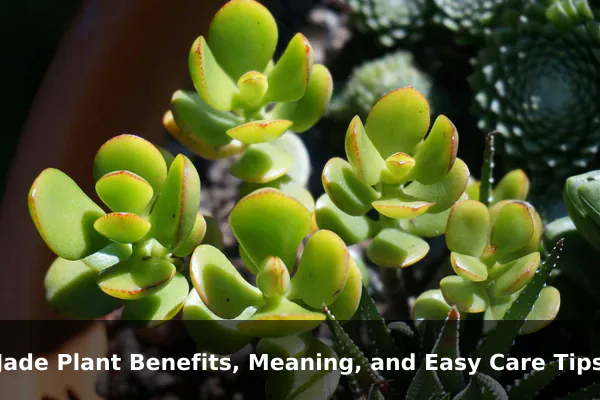
If you are looking for a low-maintenance plant that brings beauty, luck, and long-lasting greenery into your home, the jade plant deserves a top spot on your list. Known for its thick, glossy leaves and tree-like appearance, this popular succulent thrives with minimal effort and suits almost any indoor environment. Whether you are a first-time plant owner or simply want a plant that does not demand daily attention, jade plants offer a rewarding experience from the very first week.
This article covers everything you need to know about jade plant benefits, its cultural meaning and symbolism, and practical care tips that even beginners can follow with confidence. By the end, you will have a clear picture of whether this easy-going succulent is the right addition to your home or workspace.
What Is a Jade Plant?
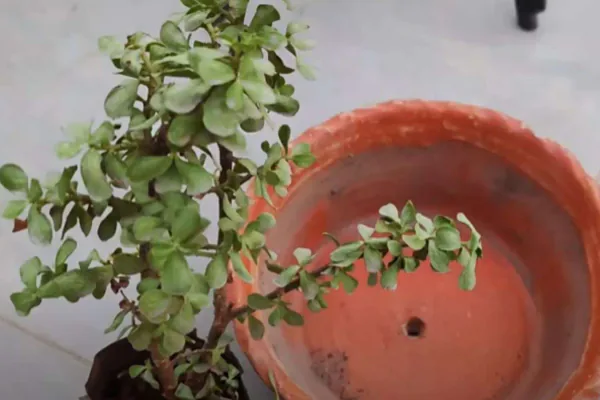
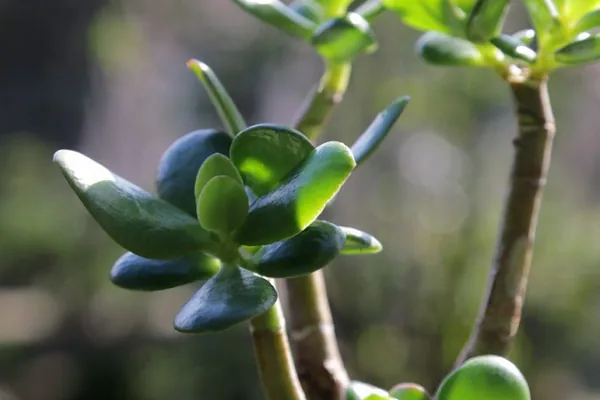
The jade plant, known scientifically as Crassula ovata, is a succulent native to South Africa and Mozambique. It belongs to the Crassulaceae family and is commonly called the money plant, lucky plant, or friendship tree. Its small, oval-shaped leaves are thick and glossy, typically in a rich dark green color, sometimes developing reddish edges when exposed to bright light for extended periods.
Jade plants grow slowly but can live for decades, eventually developing a woody, tree-like trunk that gives them an ornamental bonsai-like appearance. They are compact enough for windowsills, desks, and shelves, making them an ideal choice for small spaces and busy households alike.
Top Jade Plant Benefits for Your Home
There are many reasons why jade plants have remained popular as houseplants for generations. Their combination of visual appeal, resilience, and adaptability makes them one of the most practical indoor plants available today. Here are the key benefits that set them apart:
- Exceptional lifespan: Jade plants can live for 20 to 70 years with proper care, making them one of the longest-lived houseplants you can own.
- Low water needs: As a succulent, jade stores water in its thick leaves and tolerates extended periods of drought, so forgetting to water occasionally causes no harm.
- Adaptable to indoor conditions: Jade plants thrive comfortably within the temperature and humidity ranges found in most homes and offices.
- Compact and decorative: Their tidy, tree-like shape fits naturally on shelves, desks, and windowsills without dominating a room.
- Easy to propagate: A single leaf or stem cutting placed in moist soil will often root and grow into a new plant, allowing you to share or expand your collection at no cost.
- Visually striking year-round: Unlike flowering plants that bloom only seasonally, jade plants maintain their attractive appearance throughout the entire year.
Beyond aesthetics, jade plants contribute to a calming, green atmosphere that many people associate with a well-kept, welcoming home. Their slow growth and resilience make them particularly rewarding for busy individuals who still want to enjoy the presence of living plants indoors. One important note: jade plants are toxic to cats and dogs, so keep them safely out of reach if you share your home with pets.
Jade Plant Meaning and Symbolism
The jade plant carries rich cultural significance, particularly in East Asian traditions where it is closely linked to good fortune, prosperity, and positive energy. Understanding the symbolism behind this plant adds meaningful depth beyond its visual appeal and helps explain why it remains a beloved gift choice around the world.
Symbol of Luck and Prosperity
In Feng Shui practice, the jade plant is considered a powerful good luck charm. It is believed to attract wealth and financial success when placed near the entrance of a home or business. The rounded, coin-shaped leaves are thought to resemble small jade stones, which symbolize growth and abundance in Chinese culture. Many entrepreneurs keep a jade plant on their desk or near a cash register as a token of financial good fortune.
Gift of Friendship and New Beginnings
The jade plant is also widely known as the friendship tree, and it is a popular housewarming or congratulations gift. Giving a jade plant to someone moving into a new home or starting a new business is seen as a heartfelt gesture of goodwill, positivity, and lasting success. Its long lifespan makes it a far more meaningful and lasting gift compared to cut flowers, which fade within days.
Symbol of Patience and Resilience
Because jade plants grow slowly and live for many decades, they are also associated with patience, persistence, and quiet strength. Caring for one can serve as a gentle daily reminder that meaningful things develop gradually over time — a quality that resonates with many plant owners beyond the purely decorative purpose.
How to Care for a Jade Plant Easily
One of the biggest advantages of owning a jade plant is how forgiving it is to grow. Here is a clear, beginner-friendly care guide to keep your jade plant healthy and thriving for years to come:
Light Requirements
Jade plants prefer bright, indirect sunlight for at least four to six hours each day. A south- or east-facing windowsill is ideal. Insufficient light causes leggy, weak growth, while harsh direct afternoon sun can scorch and bleach the leaves. If your home lacks a sunny window, a grow light placed nearby for several hours daily works as an effective substitute.
Watering Schedule
Water your jade plant only when the top inch of soil feels completely dry to the touch. During spring and summer, this typically means watering every one to two weeks. In autumn and winter, reduce watering to once a month or even less. Overwatering is the single most common mistake jade plant owners make and can cause root rot quickly in a plant that stores moisture naturally in its leaves.
Soil and Pot Selection
Use a well-draining cactus or succulent potting mix to prevent excess moisture from lingering around the roots. Always select a pot with one or more drainage holes at the bottom. Terracotta pots are especially recommended because they are porous and allow moisture to evaporate gradually through the walls, reducing the risk of soggy soil.
Ideal Temperature
Jade plants grow best in temperatures between 65°F and 75°F (18°C to 24°C). They can tolerate cooler nights down to around 50°F (10°C) but should always be protected from frost, cold drafts near windows, and sudden temperature swings that can stress the plant and trigger leaf drop.
Fertilizing Tips
Feed your jade plant with a balanced liquid fertilizer diluted to half the recommended strength during the active growing season in spring and summer. Fertilize once every two to three months. Avoid fertilizing altogether in winter when the plant naturally slows its growth and enters a resting phase.
Common Jade Plant Problems and Easy Fixes
Even the most beginner-friendly plants encounter occasional challenges. Here are the most common jade plant problems along with straightforward solutions:
- Yellow leaves: Usually caused by overwatering or waterlogged soil. Allow the soil to dry out fully before watering again and inspect the roots for any signs of rot.
- Leaf drop: Often triggered by sudden temperature changes, cold drafts, or significant underwatering. Move the plant to a stable, warm location away from air conditioning vents and open windows.
- Leggy or stretched growth: A clear sign the plant is not receiving enough light. Gradually move it closer to a bright window or supplement with a grow light.
- Wrinkled or shriveled leaves: This indicates the plant needs water. Give it a thorough drink and the leaves should plump back up within a day or two.
- Pest infestations: Mealybugs and spider mites occasionally appear, especially in dry indoor environments. Wipe affected leaves with a cotton ball dipped in rubbing alcohol to remove them, repeating weekly until clear.
Simple Tips to Help a Jade Plant Thrive Longer
A handful of small, consistent habits can make a significant difference in keeping your jade plant healthy and attractive for many years:
- Rotate the pot regularly so all sides of the plant receive even light exposure, preventing it from leaning or growing unevenly toward the nearest window.
- Prune occasionally to maintain a compact, bushy shape and encourage fuller growth. Use clean, sharp scissors or pruning shears and cut just above a leaf node.
- Repot every two to three years or when roots begin to emerge from the drainage holes. Move up only one pot size at a time to avoid excess soil retaining too much moisture.
- Wipe the leaves with a lightly damp cloth once a month to remove dust buildup, which blocks light absorption and reduces the plant’s ability to photosynthesize efficiently.
- Adjust care with the seasons: Reduce watering and stop fertilizing in winter. Resume regular watering and feeding when you notice new growth emerging in early spring.
Is a Jade Plant Right for You?
If you have a bright windowsill, a busy schedule, or limited gardening experience, a jade plant is an outstanding choice. It demands far less attention than most houseplants, rewards patience with beautiful long-term growth, and brings genuine cultural and symbolic meaning into your living or working space.
Jade plants are especially well suited for anyone who:
- Travels frequently and cannot commit to watering plants on a strict daily schedule
- Wants a meaningful, long-lasting plant gift for a friend, family member, or colleague
- Is building a small indoor plant collection and needs a reliable, forgiving starter plant
- Appreciates both the visual beauty and cultural symbolism that plants can bring to a home
- Has limited space and wants a compact plant that stays tidy without constant pruning
With its combination of effortless beauty, drought tolerance, and rich positive symbolism, the jade plant is far more than a simple decorative piece. It is a living symbol of patience, growth, and good fortune — qualities that have made it one of the most beloved and widely kept houseplants in the world for centuries. Give it a bright spot, a little water at the right time, and the occasional wipe-down, and it will reward you with decades of lush, glossy greenery and quiet good energy in your home.
