
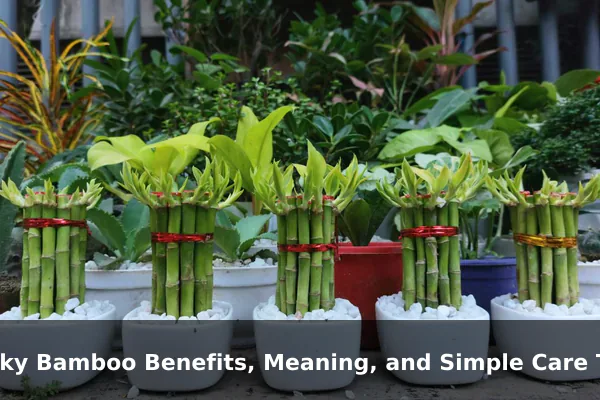
Lucky bamboo is one of the most recognizable indoor plants in the world, gracing desks, windowsills, and entryways in homes and offices across every continent. Despite its name, it is not actually a true bamboo — it belongs to the Dracaena sanderiana family — but its slender green stalks and graceful appearance give it a bamboo-like charm that people everywhere find irresistible.
Whether you are drawn to it for its reputed good fortune, its calming aesthetic, or simply because it thrives with very little effort, lucky bamboo has a lot to offer. This guide covers everything you need to know: its practical benefits, the rich symbolism behind it, and straightforward care tips that even a complete beginner can follow.
What Is Lucky Bamboo and Why Is It So Popular?
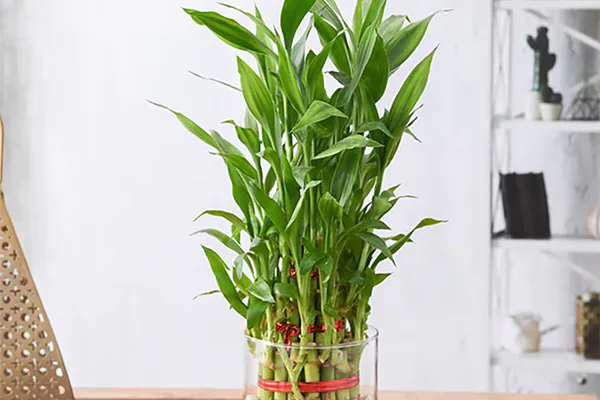
Lucky bamboo (Dracaena sanderiana) is a tropical plant native to West Africa, yet it has become deeply embedded in East Asian culture — particularly in Chinese and Feng Shui traditions — as a symbol of good luck and prosperity. It grows in water or soil and can be kept in a container as small as a single glass, making it one of the most versatile houseplants available.
Its popularity comes down to a few simple factors. First, it looks beautiful. The spiraling or stacked stalks, often tied with a decorative red ribbon, have an artistic quality that suits modern and traditional interiors alike. Second, it is genuinely easy to keep alive. Unlike many ornamental plants that demand precise watering schedules or bright sunlight, lucky bamboo tolerates low light and inconsistent care relatively well. Third, the gift-giving tradition around lucky bamboo keeps it in constant circulation — it remains one of the most commonly gifted plants during Lunar New Year celebrations and housewarming events.
Lucky Bamboo Benefits for Home and Workspace
Beyond its visual appeal, lucky bamboo brings several practical benefits to any indoor setting. Here are the most important ones to consider:
- Improves indoor aesthetics: The architectural shape of lucky bamboo adds a natural, sculptural element to shelves, desks, and tables. It works well in minimalist, Zen-inspired, and traditional Asian-themed spaces.
- Compact and space-friendly: Lucky bamboo does not need a large pot or wide shelf. A small container is enough, making it ideal for studio apartments, office cubicles, and small desks.
- Promotes a calming atmosphere: Greenery in a workspace or living area has been associated with reduced stress and improved focus. Lucky bamboo, with its clean lines and soft green color, contributes to a visually calming environment.
- Low maintenance: For people who want plants but worry about keeping them alive, lucky bamboo is an excellent choice. It grows well in water alone and does not require frequent repotting or fertilizing.
- Suitable as a meaningful gift: Its symbolic value makes it a thoughtful gift for new homeowners, business partners, or anyone beginning a new chapter in life.
- Adds a sense of freshness: Like most plants, lucky bamboo contributes to a sense of cleaner, fresher indoor air simply by being a living organism in an enclosed space.
Lucky Bamboo Meaning and Symbolism
One of the most fascinating things about lucky bamboo is how much meaning has been attached to it over centuries of tradition. In Feng Shui philosophy, lucky bamboo represents the element of wood, which is associated with growth, vitality, and upward momentum. It is believed to attract positive energy — or chi — into a space when placed thoughtfully.
The Meaning Behind Stalk Numbers
Perhaps the most well-known aspect of lucky bamboo symbolism is the significance given to how many stalks a plant contains. Different numbers carry different meanings:
- 2 stalks: Love, partnership, and good fortune in relationships.
- 3 stalks: Happiness, long life, and wealth — one of the most popular arrangements.
- 5 stalks: Health and balance across five key areas of life.
- 6 stalks: Good luck and smooth progress.
- 7 stalks: Good health and personal growth.
- 8 stalks: Prosperity and abundance — the number 8 is considered highly auspicious in Chinese culture.
- 9 stalks: Great luck and overall good fortune.
- 21 stalks: A powerful blessing of health and great wealth.
Note that 4 stalks are traditionally avoided because the number 4 sounds similar to the word for “death” in Chinese, making it an unwelcome gift in many cultures.
Colors, Ribbons, and Feng Shui Placement
The red ribbon tied around lucky bamboo stalks is not purely decorative. Red is the color of luck and protection in Chinese tradition, and the ribbon is meant to activate the positive energy within the plant. Gold ribbons are also common and represent wealth and prosperity. As for placement, positioning lucky bamboo in the eastern corner of a room is said to support health and family harmony, while the southeastern corner is associated with wealth. Placing it near the front entrance is thought to welcome positive energy for all who enter.
How to Care for Lucky Bamboo the Simple Way
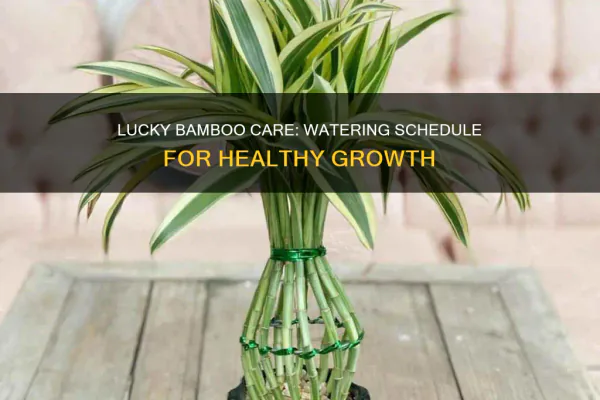
Lucky bamboo is genuinely forgiving, but a few basic habits will keep it vibrant for years. Here is what every beginner should know:
Light Requirements
Lucky bamboo prefers bright, indirect light. Direct sunlight will scorch the leaves and turn them yellow. A spot near a window with filtered light, or in a well-lit room away from direct sun, works perfectly. It tolerates lower light better than most plants, which is why it thrives so well in offices and interior rooms.
Water and Container Setup
Lucky bamboo can be grown in either water or soil. For water growing, keep the roots submerged in at least 1–2 inches of clean water and change it every one to two weeks to prevent algae and bacterial buildup. Use filtered or distilled water when possible, as tap water high in fluoride or chlorine can cause brown leaf tips. For soil growing, use a well-draining potting mix and water only when the top inch of soil feels dry.
Temperature and Fertilizing
Lucky bamboo thrives between 65°F and 90°F (18°C–32°C). Keep it away from cold drafts, air conditioning vents, and heating units. For fertilizing, a few drops of diluted liquid fertilizer once every one to two months is sufficient for water-grown plants. Overfeeding will burn the roots and cause more harm than good.
Common Lucky Bamboo Problems and Easy Fixes
Even the most forgiving plant occasionally runs into trouble. Here are the issues you are most likely to encounter and how to address them quickly:
Yellow Leaves
Usually caused by too much direct sunlight, over-fertilizing, or poor water quality. Move the plant out of direct sun, reduce fertilizer, and switch to filtered water.
Brown Leaf Tips
Brown tips typically signal fluoride or chlorine sensitivity. Let tap water sit overnight before use, or switch to distilled water entirely.
Algae in the Container
Green algae forms when a clear container is exposed to light. Use an opaque vase or rinse the container and decorative stones thoroughly each time you change the water.
Mushy or Rotting Roots
This occurs when water is not changed frequently enough. Remove the plant, trim any rotten roots with clean scissors, rinse the container, and refill with fresh water.
Best Places to Put Lucky Bamboo Indoors
Where you position lucky bamboo affects both its health and, in Feng Shui belief, the kind of energy it brings to your space. These spots consistently work well:
- Office desk or workspace: A small arrangement brings calm focus energy and a touch of greenery without taking up valuable room.
- Entryway or foyer: Near the front door invites positive energy and good fortune into the home for all who enter.
- Living room shelf or side table: A larger arrangement works beautifully as a centerpiece or accent piece in shared living areas.
- Bedroom windowsill: Low-light tolerance makes lucky bamboo a good bedroom plant, especially near a north or east-facing window.
- Reception areas: Businesses often place lucky bamboo near reception desks to project a welcoming and prosperous image to visitors.
Avoid placing lucky bamboo in spots with poor air circulation, near air conditioning vents, or on windowsills that receive intense afternoon sun.
Quick Lucky Bamboo Care Checklist
Keep this short list handy to stay on top of the essentials:
- Do use filtered or distilled water whenever possible.
- Do change the water every one to two weeks for water-grown plants.
- Do place in bright, indirect light and rotate occasionally for even growth.
- Do keep temperatures between 65°F and 90°F (18°C–32°C).
- Don’t expose to direct sunlight.
- Don’t overfeed — one diluted fertilizer application every one to two months is enough.
- Don’t let roots dry out completely in water setups.
- Don’t gift or display 4 stalks if honoring traditional symbolism matters.
Lucky bamboo earns its global popularity honestly. It looks striking in virtually any setting, carries centuries of rich symbolic meaning, and asks very little from its owner in return. Whether you are a seasoned plant enthusiast or someone who has struggled to keep any plant alive, lucky bamboo meets you where you are and rewards even minimal care with steady, graceful growth. Choose the stalk number that resonates with your intentions, find a bright corner away from direct sun, and refresh the water regularly — and your lucky bamboo will likely be one of the longest-lasting and most rewarding plants in your home.
