
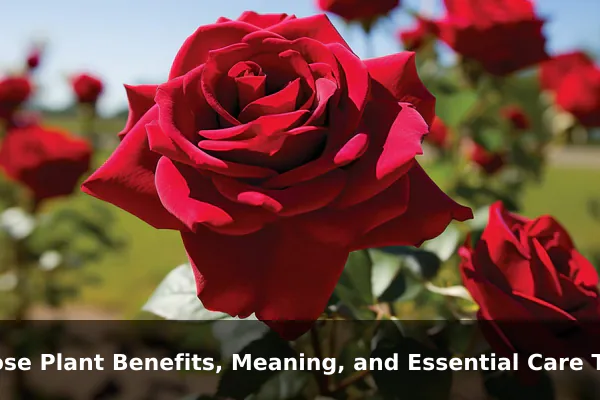
Few plants rival the timeless appeal of the rose. Celebrated across centuries of art, poetry, and culture, the rose plant is as practical as it is beautiful. Whether you grow it in a sprawling garden bed or a modest balcony pot, a healthy rose delivers fragrance, color, and a sense of pride that few other plants can match.
Beyond its good looks, the rose plant carries rich symbolism and offers real benefits to your garden and home. This guide walks you through what makes roses worth growing, what different roses mean, and how to care for them so they thrive season after season.
Why Rose Plants Are So Popular
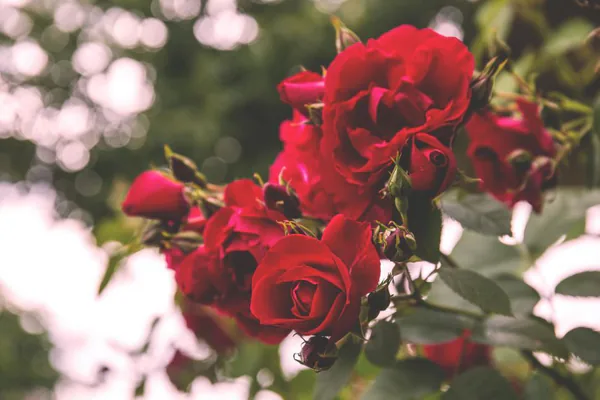
Roses have been cultivated for over 5,000 years, and their popularity has never faded. There are more than 300 wild species and tens of thousands of cultivated varieties, meaning there is a rose suited to almost every climate, space, and style preference.
Part of the rose plant’s enduring appeal comes from its versatility. Compact miniature roses fit neatly on a windowsill. Climbing roses can transform a bare fence into a wall of color. Shrub roses anchor a mixed border, while hybrid tea roses produce the classic long-stemmed blooms most people picture when they think of a rose.
- Fragrance: Many varieties release a sweet, complex scent that perfumes an entire garden.
- Color range: Roses come in red, pink, white, yellow, orange, lavender, and multicolored blends.
- Long blooming season: Modern repeat-blooming varieties flower from spring through autumn.
- Wide climate tolerance: Hardy varieties grow in USDA zones 3 through 10.
Benefits of Growing a Rose Plant
Growing roses delivers benefits that go well beyond a pretty flower in the yard.
Ornamental and Aesthetic Value
A rose in full bloom is a natural focal point. Whether planted as a standalone specimen or grouped with other perennials, roses elevate the visual quality of any space. Their flowers, foliage, and even their hips — the small fruit that follows the bloom — add seasonal interest across multiple months.
Support for Pollinators
Single-petaled and semi-double rose varieties are excellent for bees and other pollinators. Open blooms expose pollen more readily, making these types a smart choice for anyone wanting to support a healthy garden ecosystem alongside their flowering display.
Emotional and Wellness Benefits
Gardening itself reduces stress and improves mood, and roses add an extra layer of sensory pleasure through scent and color. Research in horticultural therapy consistently shows that tending flowering plants lowers cortisol levels and improves overall wellbeing. A garden with roses in bloom has a calming effect that is genuinely hard to replicate with any artificial means.
Edible and Medicinal Uses
Rose petals are edible and used in cooking, teas, jams, and desserts. Rose hips are exceptionally high in Vitamin C and are valued in syrups, herbal teas, and health supplements. Rose water, distilled from petals, has long been used in skin care and traditional remedies for minor inflammation. These practical uses make the rose plant far more than just a decorative addition to the garden.
Gifting and Cultural Connection
Roses remain the go-to gift flower worldwide. Growing your own means you always have a meaningful, personal gift on hand — a freshly cut stem from your own garden carries far more sentiment than any store-bought bouquet, and it costs almost nothing once the plant is established.
Rose Plant Meaning and Symbolism
The rose is arguably the most symbolically loaded plant on the planet. Its meaning varies by color, culture, and occasion, but certain associations are nearly universal and have remained stable across thousands of years of human history.
General Rose Symbolism
At its core, the rose represents love, beauty, and admiration. It has been associated with goddesses of love in Greek and Roman mythology — Aphrodite and Venus — and features prominently in religious iconography, national emblems, and heraldry across dozens of countries. In the language of flowers, a practice known as floriography that was especially popular in the Victorian era, the rose held a place of honor above every other bloom.
Meaning by Rose Color
- Red roses: Romantic love, deep passion, and respect. The classic choice for Valentine’s Day and anniversaries.
- Pink roses: Gratitude, grace, and gentle affection. Light pink suggests admiration; deep pink conveys sincere appreciation.
- White roses: Purity, new beginnings, and remembrance. Common at weddings and memorial services alike.
- Yellow roses: Friendship, joy, and warmth. A cheerful choice for celebrations and platonic affection.
- Orange roses: Enthusiasm, desire, and fascination. Often gifted to show energy and genuine excitement.
- Lavender roses: Enchantment and love at first sight. Popular in unique or whimsical floral arrangements.
Growing a variety of rose colors in your garden is a simple way to invite layered meaning and year-round visual interest into your outdoor space — each color telling a slightly different story.
Best Conditions for Healthy Rose Growth
Roses have a reputation for being demanding, but most of that difficulty disappears once you give them the right environment from the start. Getting the fundamentals right makes everything else far easier.
Sunlight
Roses need a minimum of six hours of direct sunlight per day. Morning sun is especially important because it dries dew from the leaves quickly, reducing the risk of fungal disease. Afternoon shade is tolerable in very hot climates but should not be the plant’s primary light source.
Soil
Roses thrive in well-draining, loamy soil with a pH between 6.0 and 6.5. Heavy clay should be amended with compost and coarse sand before planting. Sandy soils benefit from added organic matter to improve moisture retention. Good drainage is critical — roses dislike having their roots sit in standing water, which leads quickly to root rot.
Spacing and Airflow
Planting roses too closely together restricts airflow and promotes fungal diseases like black spot and powdery mildew. Space bush roses at least 2 to 3 feet apart. Climbing roses need 6 to 10 feet of horizontal room to spread properly without crowding neighboring plants.
Container Growing
Miniature and patio rose varieties grow well in pots. Use a container at least 12 to 14 inches deep and wide, filled with a rich potting mix that drains freely. Container roses dry out faster than ground-planted ones, so check soil moisture every one to two days during warm months and water before the soil becomes fully dry.
Essential Rose Plant Care Tips
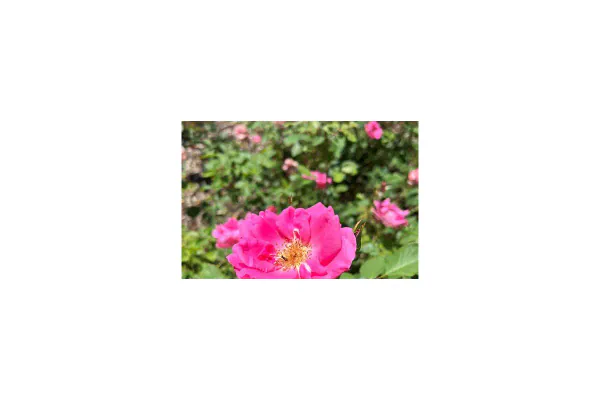
Consistent care is what separates a struggling rose from one that blooms generously all season. These are the core habits every rose grower should build.
Watering
Roses need about one inch of water per week, more during hot or dry spells. Water deeply at the base of the plant rather than overhead to keep foliage dry. Early morning is the best time to water. Avoid light, frequent watering, which encourages shallow root systems that are less resilient to drought and temperature stress.
Feeding
Feed roses with a balanced rose fertilizer — such as a 10-10-10 or 5-10-5 formula — starting in early spring when new growth appears. Feed every four to six weeks through midsummer, then taper off about six weeks before your first expected frost. Overfeeding late in the season promotes soft new growth that is highly vulnerable to frost damage.
Pruning
Prune roses in early spring just as buds begin to swell. Remove dead, damaged, or crossing canes and cut back remaining healthy canes by about one-third. Always cut at a 45-degree angle just above an outward-facing bud. Sharp, clean pruning shears are essential to prevent disease from entering through fresh cuts.
Mulching and Deadheading
Apply a 2 to 3 inch layer of organic mulch — wood chips, shredded bark, or compost — around the base of each rose plant. Mulch keeps roots cool, retains moisture, and suppresses weeds. Keep mulch a few inches away from the main stem to prevent rot at the crown. Deadheading — removing spent blooms — encourages repeat-blooming roses to produce new flower buds rather than putting energy into seed production. Snip the old bloom off just above the first set of five-leaflet leaves below the flower.
Common Problems and How to Prevent Them
Even well-tended roses face occasional challenges. Knowing what to look for makes prevention and treatment much simpler before problems become serious.
- Black spot: A fungal disease that causes black circular spots on leaves followed by yellowing and leaf drop. Prevent by improving airflow and avoiding overhead watering. Treat with a fungicide labeled for roses if needed.
- Powdery mildew: A gray-white powdery coating on leaves and buds. Common in humid conditions with poor airflow. Remove affected growth and improve spacing between plants.
- Aphids: Small insects that cluster on new growth and buds, sucking plant sap and stunting development. Knock off with a strong spray of water or apply neem oil. Ladybugs are an effective natural predator.
- Japanese beetles: Adult beetles chew through petals and leaves rapidly. Handpick in the morning when beetles are sluggish, or use neem oil as a deterrent.
- Yellow leaves: Often a sign of overwatering, nutrient deficiency, or natural leaf drop at season’s end. Check drainage and feeding schedule before assuming disease.
How to Keep Roses Blooming Longer
Getting your rose to bloom is satisfying. Getting it to keep blooming all season takes just a few extra consistent habits applied at the right times.
- Deadhead consistently: Remove faded flowers every few days during peak season to stimulate new bud development without interruption.
- Feed on schedule: A potassium-rich fertilizer in late spring and early summer supports strong, sustained flowering rather than only leafy vegetative growth.
- Water deeply, not frequently: Deep watering encourages roots to grow downward, giving the plant better drought resilience and steady moisture access throughout the season.
- Avoid late-season heavy pruning: Hard pruning after late summer signals the plant to produce soft new growth just before cold weather, which is easily damaged by frost.
- Monitor for pests early: A small aphid problem caught early takes minutes to address. The same infestation allowed to grow unchecked can stunt flowering for weeks.
Is a Rose Plant Right for Your Home or Garden?
Roses are not the lowest-maintenance plant in the garden, but they reward attentive growers generously. If you can commit to regular watering, seasonal feeding, and occasional pruning, a rose plant will deliver beauty, fragrance, and rich meaning for many years from a single planting.
For small spaces or beginners, miniature roses or disease-resistant shrub roses are the most forgiving starting point. These compact varieties require less intervention than hybrid tea roses and adapt well to container growing. A sunny balcony, a small raised bed, or a well-placed pot near a south-facing wall is genuinely all you need to get started.
For gardeners with more space and ambition, climbing roses and hybrid teas offer higher visual impact in exchange for more consistent attention. With the right variety matched to your climate and soil, a rose plant is one of the most rewarding long-term additions you can make to any garden.
In the end, the rose earns its legendary status not just through beauty, but through the way it enriches both the space it grows in and the lives of the people who tend it. Start with one plant, give it a good home, and see for yourself why the rose has remained humanity’s favorite flower for thousands of years.
