
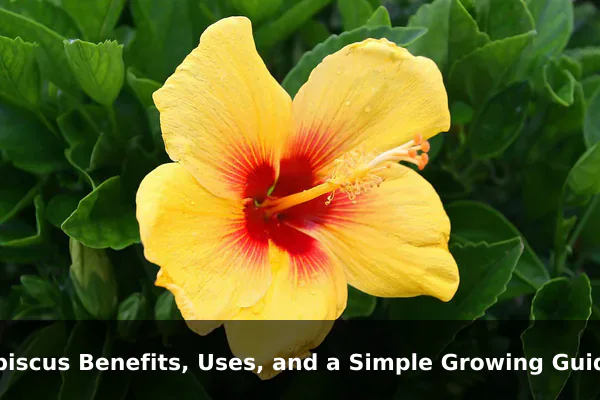
Few garden plants make an entrance quite like hibiscus. With dinner-plate blooms in scarlet, coral, pink, and gold, it draws the eye, attracts pollinators, and has earned a long history in traditional teas and food preparations around the world. Yet “hibiscus” is not a single plant. The name covers showy tropical ornamentals as well as the tart, ruby-colored roselle used to brew herbal infusions, and knowing the difference matters for both your garden and your kitchen.
Health-related interest in hibiscus often centers on Hibiscus sabdariffa, the species behind most hibiscus teas. Early clinical reviews are encouraging, but it helps to read them carefully rather than treating any plant as a cure. The goal of this guide is to give you a balanced view: what hibiscus is, the benefits people genuinely value, what research actually shows, how it is used, the safety points worth knowing, and a beginner-friendly way to grow it at home.
What Is Hibiscus?
Hibiscus is a large group of flowering plants in the mallow family, ranging from cold-hardy perennials to frost-tender tropicals. For everyday purposes, two types come up most often, and they are easy to confuse.
Ornamental Tropical Hibiscus
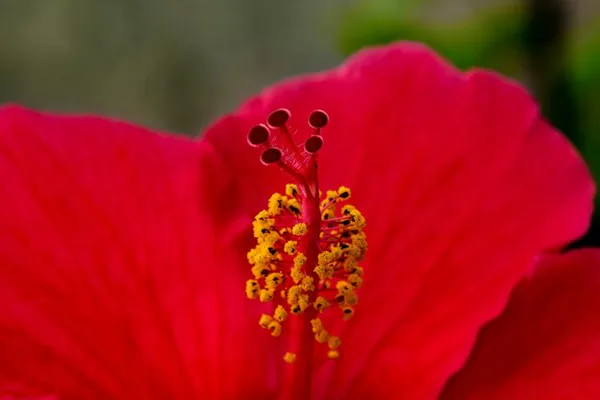
Hibiscus rosa-sinensis, often called tropical or Chinese hibiscus, is grown mainly for its spectacular flowers. According to university extension guidance such as the North Carolina Extension Gardener Plant Toolbox, it thrives in warmth and bright light and is widely used in containers, patios, and frost-free landscapes. This is a decorative plant first and foremost, not the variety you typically brew into tea.
Roselle, the Edible Hibiscus
Hibiscus sabdariffa, known as roselle, is the species grown for its fleshy red calyces, the part harvested and dried for tart infusions, syrups, and jams. When recipes and studies mention “hibiscus tea,” they almost always mean roselle. Confirming which plant you have is the single most important step before considering any edible or wellness use.
Key Hibiscus Benefits People Look For
The appeal of hibiscus spans the garden, the table, and general wellness curiosity. Most benefits are practical and easy to enjoy without overstating anything.
- Garden beauty: Large, vivid blooms provide a tropical focal point in beds, borders, and pots.
- Pollinator appeal: The open, nectar-rich flowers attract bees, butterflies, and hummingbirds.
- Culinary and beverage use: Dried roselle calyces make a refreshing tart drink, hot or iced, plus syrups and preserves.
- Natural color and flavor: Roselle lends a deep red hue and cranberry-like tang to drinks and foods.
- Wellness interest: Many people enjoy hibiscus tea as a caffeine-free beverage they find pleasant and hydrating.
What Research Says About Hibiscus and Blood Pressure
The most studied wellness question is whether hibiscus, specifically roselle, affects blood pressure. Several systematic reviews and meta-analyses of randomized trials indexed by NIH and PubMed have explored this, and the overall picture is cautiously promising: some studies report modest reductions in blood pressure among certain adults.
That said, a few caveats are essential:
- Study results vary in size, quality, and the populations studied, so findings are not uniform.
- A modest average effect in research is not the same as a treatment, and individual results differ.
- Drinking hibiscus tea is not a substitute for prescribed medication or professional medical care.
If you are managing blood pressure or any condition, treat hibiscus as a pleasant beverage and discuss meaningful changes with a qualified health professional rather than relying on tea alone.
Common Uses of Hibiscus
Hibiscus earns its place both indoors on the windowsill of a recipe and outdoors in the landscape. Edible uses generally refer to roselle, while ornamental uses apply broadly.
In the Kitchen and Cup
- Hibiscus tea: Steep dried roselle calyces in hot water for a tart, ruby infusion; sweeten or chill to taste.
- Syrups and cordials: Simmer calyces with water and a little sweetener for a vivid mixer or topping.
- Jams and sauces: The natural pectin and tang of roselle suit preserves and glazes.
In the Garden
- Container displays: Tropical hibiscus shines in pots on patios and balconies.
- Landscape accents: In warm climates it works as a flowering shrub or seasonal focal point.
- Pollinator plantings: Mixed beds benefit from its nectar-rich, eye-catching flowers.
Safety Notes Before Using Hibiscus Products
Enjoying hibiscus tea as a beverage is different from taking concentrated hibiscus supplements. Guidance from the U.S. Food and Drug Administration and the NIH National Center for Complementary and Integrative Health offers a sensible framework.
- Supplements are not tightly pre-approved: Dietary supplements are not reviewed by the FDA the way medications are, so quality and dosing can vary. Be wary of products promising dramatic results.
- Possible interactions: Herbal products can interact with medications, including those for blood pressure; check with a pharmacist or clinician if you take prescriptions.
- Pregnancy and medical conditions: If you are pregnant, nursing, or managing a health condition, ask a professional before using concentrated hibiscus products.
- More is not better: Routine enjoyment of tea is generally different from high-dose extracts; avoid overstating benefits or overconsuming.
When in doubt, favor whole, clearly identified roselle and treat strong claims with healthy skepticism.
Simple Hibiscus Growing Guide
Tropical hibiscus is rewarding and beginner-friendly when you match its love of warmth and light. The steps below align with university extension plant-care guidance.
Light and Temperature
Give hibiscus plenty of bright light, ideally full sun for the best flowering, and warm temperatures. It is sensitive to frost, so in cooler climates grow it in a container that can move indoors before cold weather arrives.
Soil and Watering
- Soil: Use rich, well-draining potting mix; soggy roots invite problems.
- Watering: Keep soil consistently moist during active growth, allowing the top layer to dry slightly between waterings; reduce in cooler months.
- Containers: Choose pots with drainage holes to prevent waterlogging.
Feeding, Pruning, and Overwintering
- Feeding: Feed during the growing season with a balanced fertilizer to support steady blooming, following label rates.
- Pruning: Light pruning shapes the plant and encourages new flowering wood.
- Overwintering: Bring tender hibiscus indoors before frost, place it in a bright spot, and expect slower growth until warmth returns.
- Pest watch: Check for aphids, whiteflies, and spider mites, and address infestations early.
Harvesting and Using Hibiscus at Home
Harvesting for food applies mainly to roselle, not ornamental tropical hibiscus. On roselle, the prized part is the swollen calyx that forms after the flower fades.
- Harvest: Pick calyces while still tender; older ones become woody.
- Dry: Spread them in a single layer in a warm, airy spot until fully dry for storage.
- Use: Steep dried calyces for tea, or simmer for syrups and preserves.
Before consuming any plant material, confirm the species and make sure it has not been treated with chemicals unsafe for food. When identity is uncertain, enjoy the plant for its beauty rather than its flavor.
Quick Hibiscus Care and Use Checklist
Keep this concise recap handy whether you are tending a pot on the balcony or brewing a cup.
- Sunlight: Bright light to full sun for best blooms.
- Water: Consistent moisture in growth; never waterlogged.
- Soil: Rich, well-draining mix in a pot with drainage.
- Best uses: Ornamental display for tropical types; tea, syrup, and jam for roselle.
- Safety reminder: Treat tea as a beverage, be cautious with supplements, and confirm plant identity.
- When to seek advice: Ask a health professional about interactions, pregnancy, or managing a medical condition.
Hibiscus is a genuinely versatile plant: a showstopper in the garden, a flavorful and refreshing drink when you use roselle, and an easy companion for beginners willing to provide warmth and light. By keeping health claims modest, leaning on trustworthy research and supplement-safety guidance, and following a few simple care steps, you can enjoy everything hibiscus has to offer with confidence and care.
Official references
- PubMed: Roselle for hypertension in adults – Cochrane systematic review indexed by NIH/PubMed; useful for cautious wording on hibiscus/roselle blood-pressure claims.
- PubMed: Hibiscus sabdariffa blood pressure meta-analysis – Systematic review and meta-analysis of randomized trials on Hibiscus sabdariffa and blood pressure.
- U.S. Food and Drug Administration: Information for Consumers on Using Dietary Supplements – Anchor for supplement safety, regulatory limits, and avoiding overstatement of health claims.
- NIH NCCIH: Using Dietary Supplements Wisely – Consumer-facing NIH guidance for herbal and dietary supplement precautions, interactions, and evidence quality.
- North Carolina Extension Gardener Plant Toolbox: Hibiscus rosa-sinensis – University extension reference for tropical hibiscus identification, growing conditions, care, and cautions.
