
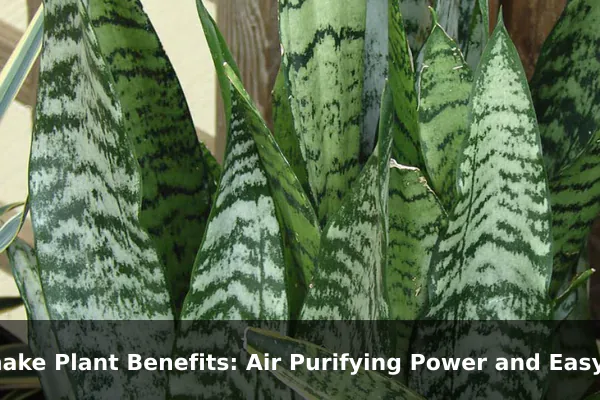
The snake plant (Dracaena trifasciata, long known as Sansevieria) has become one of the most popular houseplants in the world, and for good reason. With its bold, upright leaves and near-legendary tolerance for neglect, it fits beautifully into busy homes, small apartments, and dim office corners where fussier plants would struggle. If you have ever wanted a striking green accent that almost takes care of itself, this is the plant most experts point to first.
Much of the snake plant’s fame rests on its reputation as an air-purifying plant. That reputation is rooted in real laboratory science, but the everyday story is more nuanced than many viral posts suggest. In this guide, we will look honestly at what snake plants can and cannot do for indoor air, explore their genuine wellness and design benefits, and walk through simple, dependable care so your plant thrives for years.
We will also cover an important safety note many new owners miss: snake plants are mildly toxic to cats and dogs if chewed. Understanding the full picture—benefits, limits, and precautions—helps you enjoy this resilient plant with confidence.
Why Snake Plants Are a Favorite Indoor Plant
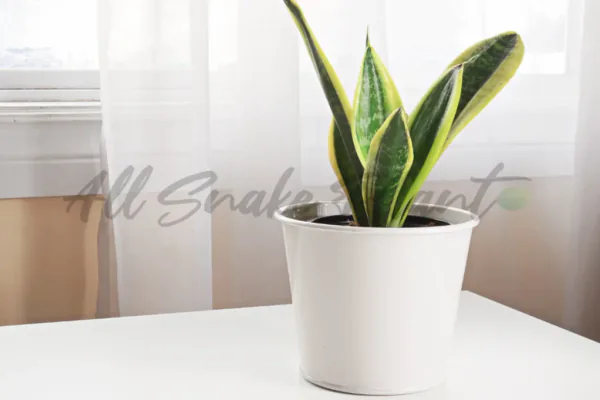
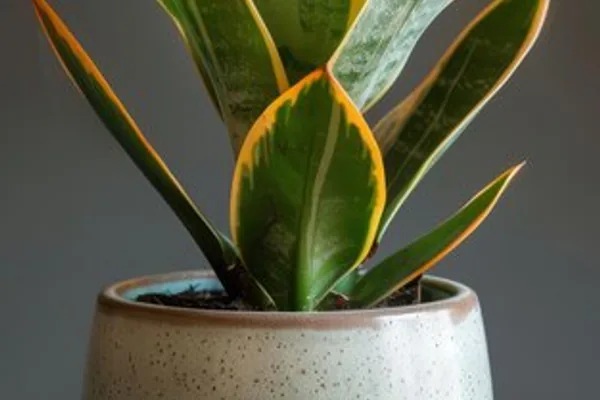
Snake plants earn their popularity through a rare combination of good looks and toughness. Their thick, sword-like leaves grow vertically, often with attractive green banding and yellow margins, giving rooms a clean, architectural feel. They suit modern, minimalist, and traditional spaces equally well, which is part of why interior designers reach for them so often.
Beyond aesthetics, this plant is famously forgiving. It stores water in its leaves and rhizomes, so it shrugs off the occasional missed watering that would doom more delicate species. That resilience makes it a top recommendation for beginners and frequent travelers.
Key reasons people love snake plants
- Beginner-friendly: Tolerates inconsistent care and irregular watering.
- Adaptable lighting: Survives in low light and brightens in indirect sun.
- Space-saving shape: Grows upward, fitting narrow corners, shelves, and entryways.
- Long-lived: With basic care, a single plant can flourish for many years.
- Easy to propagate: Divisions and leaf cuttings make it simple to share or expand your collection.
The Truth About Snake Plant Air Purifying Benefits
The air-purifying claim traces back to a well-known NASA study from the late 1980s that tested several common houseplants for their ability to remove volatile organic compounds (VOCs) such as formaldehyde and benzene. In that research, snake plants did absorb some of these chemicals, which is how they earned their air-cleaning reputation.
However, it is important to understand the conditions of that study. The testing took place inside small, sealed chambers, not in normally ventilated rooms. In a real home with windows, doors, and constant air exchange, the cleaning effect of a few potted plants is far smaller than those headlines imply.
What later research and agencies say
More recent peer-reviewed analysis of multiple studies concluded that potted plants do not meaningfully improve indoor air quality at realistic household scale—you would need an impractical number of plants per room to match the effect of simply opening a window. Guidance from the U.S. Environmental Protection Agency similarly emphasizes that the most effective ways to improve indoor air are source control, ventilation, and filtration, rather than relying on houseplants.
None of this means snake plants are useless—it simply means we should frame their benefits accurately:
- Snake plants can absorb certain VOCs under controlled lab conditions.
- In typical homes, their measurable air-cleaning impact is modest at best.
- For real air-quality improvement, prioritize ventilation, reducing pollutant sources, and air filters.
Treating the snake plant as a helpful, attractive companion to good ventilation—rather than a replacement for it—keeps expectations realistic and grounded in credible science.
Everyday Wellness Benefits Beyond Air Cleaning
Even setting aside dramatic air-purifying claims, snake plants offer genuine, well-documented lifestyle benefits. Many of these are practical and psychological rather than strictly medical, but they meaningfully improve how a space feels.
Practical and emotional perks
- Greenery and calm: Having living plants indoors is widely associated with a more relaxing, pleasant atmosphere.
- Visual structure: Their upright form adds height and balance to shelves, desks, and floor corners.
- Low-effort satisfaction: Success with a hard-to-kill plant builds confidence for new plant owners.
- Decorative flexibility: They pair well with both bright ceramic pots and neutral planters.
Because they require so little attention, snake plants let you enjoy the rewards of indoor greenery without the stress of demanding maintenance. That accessibility is a real benefit, especially for people with busy schedules or limited gardening experience.
Easy Snake Plant Care Requirements
One of the snake plant’s greatest strengths is how little it asks of you. Still, a few simple guidelines will keep it looking its best and prevent the most common problems.
Light
Snake plants tolerate low light but grow best in bright, indirect light. They can handle some direct morning sun, but harsh, prolonged afternoon sun may scorch the leaves. A spot near an east- or north-facing window is often ideal.
Watering
This is where most care goes wrong. Snake plants prefer to dry out between waterings. Use the soak-and-dry approach:
- Water thoroughly until it drains from the bottom.
- Let the top few inches of soil dry completely.
- Water again only when the soil is dry—often every 2–4 weeks, less in winter.
Soil and pots
Use a fast-draining mix, such as a cactus or succulent blend, and always choose a pot with drainage holes. Good drainage is the single most important factor in preventing root rot.
Temperature
Snake plants enjoy typical indoor temperatures and dislike cold drafts. Keep them away from chilly windows in winter and avoid temperatures near freezing, which can damage the leaves.
Common Care Mistakes to Avoid
Most snake plant troubles come from a handful of avoidable errors. Watching for these will keep your plant healthy and prevent slow decline.
- Overwatering: The number one killer. Soggy soil leads to root rot, signaled by mushy bases and yellowing leaves.
- Poor drainage: Pots without holes trap water around the roots.
- Too much direct sun: Intense, prolonged sunlight can bleach or scorch leaves.
- Cold exposure: Drafts and low temperatures cause soft, damaged foliage.
- Ignoring early warning signs: Drooping, soft, or browning leaves often mean it is time to check the roots and reduce watering.
When in doubt, err on the side of under-watering. A thirsty snake plant recovers quickly; a waterlogged one rarely does. University extension guidance consistently highlights overwatering and root rot as the main risks for this otherwise hardy species.
Where to Place a Snake Plant Indoors
Because snake plants adapt to a range of light levels, you have plenty of placement options. The goal is to balance the plant’s health with the look you want and the safety of your household.
Good locations to consider
- Bedrooms: A calm, tidy accent that tolerates moderate light.
- Home offices and desks: Adds greenery without demanding attention.
- Entryways and hallways: Their vertical shape suits narrow spaces.
- Low-light corners: One of the few plants that endures dim spots gracefully.
Wherever you place it, prioritize indirect light and good airflow over purely decorative considerations—and, as the next section explains, keep it out of reach of curious pets and small children.
Pet and Child Safety Notes
This is a benefit-focused guide, but responsible ownership means acknowledging risk. According to ASPCA poison-control resources, snake plants are toxic to cats and dogs if ingested. The plant contains saponins, which can irritate the digestive system.
What to watch for
If a pet chews or eats part of a snake plant, possible signs include:
- Nausea and drooling
- Vomiting
- Diarrhea
Symptoms are usually mild to moderate, and extension profiles generally rate the plant’s poison severity as low, but reactions can vary. If you suspect ingestion and your pet seems unwell, contact your veterinarian or a pet poison helpline promptly. The same caution applies to small children who might put leaves in their mouths.
Practical precautions
- Place plants on high shelves, plant stands, or in rooms pets cannot access.
- Discourage chewing and redirect curious pets early.
- Sweep up any fallen or trimmed leaves quickly.
With sensible placement, most households enjoy snake plants safely alongside pets and children.
Who Should Choose a Snake Plant
Snake plants are not the right fit for every situation—homes with leaf-chewing pets need extra care—but for many people they are close to ideal.
Consider a snake plant if you are:
- A beginner wanting an almost foolproof first plant.
- Busy or frequently traveling and unable to water on a strict schedule.
- An apartment or small-space dweller needing a compact, upright plant.
- An office worker who wants greenery that tolerates fluorescent light and weekends alone.
- Someone seeking durable décor that looks polished with minimal fuss.
For these readers, few plants deliver as much visual impact for as little effort.
Balanced Takeaway on Snake Plant Benefits
The snake plant deserves its popularity. It is striking, remarkably forgiving, and one of the easiest plants to keep alive, making it a fantastic choice for beginners, busy people, and small spaces alike. Its propagation is simple, its shape is versatile, and its presence adds a calm, green polish to almost any room.
When it comes to air quality, the honest takeaway is one of balanced enthusiasm. Snake plants did remove certain pollutants in controlled NASA chamber tests, but later research and EPA guidance make clear that, in real homes, clean air depends mainly on ventilation, source control, and filtration—not on potted plants. Enjoy your snake plant as a beautiful, low-maintenance companion to those measures, keep it safely away from pets and children, and water it sparingly. Do that, and you will have a resilient, good-looking plant that rewards you for years with very little effort.
Official references
- NASA Technical Reports Server – Interior Landscape Plants for Indoor Air Pollution Abatement – Primary NASA report behind many snake plant air-purifying claims; useful for explaining what was actually tested and the study limits.
- U.S. EPA – The Inside Story: A Guide to Indoor Air Quality – Official indoor air quality guidance that helps frame air-cleaning claims, ventilation, source control, and EPA cautions about relying on houseplants.
- Journal of Exposure Science & Environmental Epidemiology – Potted plants do not improve indoor air quality – Peer-reviewed review and analysis that directly evaluates whether potted plants meaningfully remove VOCs in real indoor spaces.
- ASPCA Poison Control – Snake Plant – Authoritative pet toxicity reference listing snake plant toxicity to dogs and cats, toxic principles, and clinical signs.
- NC State Extension Gardener Plant Toolbox – Dracaena trifasciata – University extension profile for snake plant identification, care requirements, overwatering/root rot cautions, and low-severity poison characteristics.
