
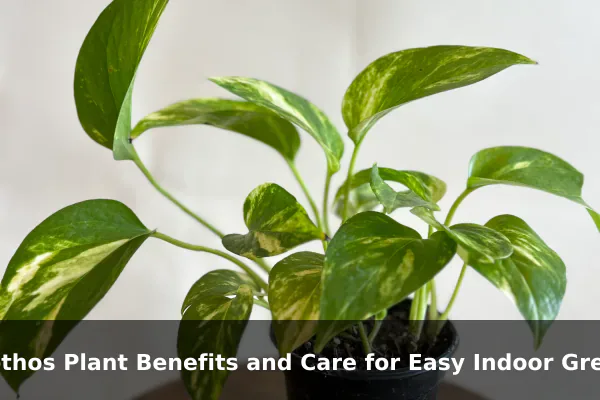
If you want lush indoor greenery without a demanding care routine, the pothos plant is one of the most forgiving choices you can bring home. With its cascading vines and glossy heart-shaped leaves, pothos thrives in the kind of ordinary indoor conditions that frustrate fussier houseplants, which is exactly why it has become a favorite for beginners, renters, and busy plant lovers alike.
This guide takes a practical, evidence-aware look at why pothos is so easy to grow, how to care for it successfully, and how to think clearly about its benefits. You will learn realistic advantages such as low-maintenance beauty, flexible display options, and simple propagation, along with honest context for popular claims about air purification. We will also cover an important safety point: pothos is toxic if chewed by pets or people, so a little caution goes a long way.
What Is a Pothos Plant?
Pothos is the common name for Epipremnum aureum, a trailing tropical vine often sold under the nickname devil’s ivy. According to botanical authorities such as Plants of the World Online from Kew Science, the accepted scientific name is Epipremnum aureum, and the species has a long list of synonyms that can cause confusion at garden centers. University extension resources, like the North Carolina Extension Gardener Plant Toolbox, are reliable places to confirm identification and care basics.
The plant is recognized by its waxy, heart-shaped leaves that grow along flexible stems. Indoors it usually trails or climbs, and the vines can grow several feet long over time. Many cultivars exist, offering different leaf patterns.
Popular Pothos Varieties
- Golden Pothos — green leaves marbled with yellow, the most common type.
- Marble Queen — heavily variegated with creamy white streaks.
- Jade Pothos — solid deep-green leaves with no variegation.
- Neon Pothos — bright chartreuse foliage that brightens dim corners.
Because variegated types have less chlorophyll, they generally appreciate a bit more light to keep their patterns vivid.
Key Benefits of Growing Pothos Indoors
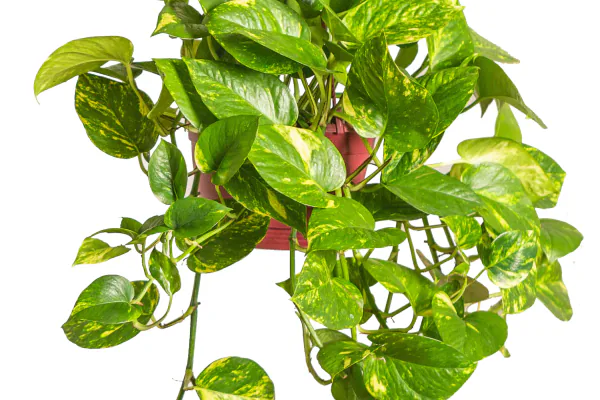
The strongest case for pothos is not an exaggerated health claim but its everyday practicality. It delivers attractive greenery with minimal effort, which makes a real difference in how consistently people keep plants alive and enjoy them.
Low-Maintenance Greenery
Pothos tolerates inconsistent watering, fluctuating temperatures, and average indoor humidity better than many decorative plants. For anyone who has struggled to keep houseplants healthy, this resilience is a meaningful benefit. It forgives the occasional missed watering and bounces back quickly.
Flexible Display Options
Few plants are as versatile. You can let pothos spill from a hanging basket, drape it across a shelf, or train it up a moss pole for a fuller, climbing look. This flexibility lets you add greenery to spaces that might not fit a floor plant.
Easy and Rewarding Propagation
Pothos roots readily from cuttings, so a single plant can become many. This makes it inexpensive to fill your home with greenery or to share cuttings with friends. The simple act of caring for and growing plants can also support a sense of routine and wellbeing, even though such benefits are personal and not a substitute for other care.
The Truth About Pothos and Indoor Air Quality
You have probably seen pothos described as an air-purifying powerhouse. This idea traces back largely to a NASA study published through the NASA Technical Reports Server, which tested several common houseplants for their ability to remove volatile organic compounds. That research is genuine, but the details matter.
The NASA experiments were conducted inside small sealed chambers under controlled conditions, not in typical homes with normal airflow, furniture, and ventilation. Later peer-reviewed work, including a review in the Journal of Exposure Science & Environmental Epidemiology, concluded that potted plants are unlikely to meaningfully improve indoor air quality in real buildings by themselves. To match the air exchange of simply opening a window, you would need an impractical number of plants.
The honest takeaway is balanced: enjoy pothos for its beauty, resilience, and the pleasure of greenery, but do not rely on it as an air-cleaning device. Treat any dramatic purification claims with healthy skepticism.
Light, Water, and Soil Needs
Pothos is easy precisely because its needs are simple and flexible. Meeting a few basic conditions keeps it healthy for years.
Light
Bright, indirect light is ideal and encourages strong growth and vivid variegation. Pothos also tolerates lower light, which is why it survives in offices and dim corners, though growth slows and variegated leaves may turn greener. Avoid harsh direct sun, which can scorch the foliage.
Water
Water when the top inch or two of soil feels dry, then water thoroughly and let excess drain away. Pothos is far more sensitive to overwatering than to occasional dryness. Soggy soil is the most common cause of trouble, so always err toward letting it dry slightly between waterings.
Soil and Potting
- Use a well-draining potting mix designed for houseplants.
- Choose a pot with drainage holes to prevent standing water.
- Refresh the soil or pot up a size every couple of years as roots fill in.
Common Pothos Care Problems and Fixes
Even an easy plant occasionally signals that something is off. Most issues trace back to watering, light, or the pot, and simple adjustments usually solve them.
- Yellow leaves — often a sign of overwatering or poor drainage. Let the soil dry more and check that the pot drains freely.
- Brown leaf tips — usually caused by dry air, inconsistent watering, or mineral buildup. Maintain a steadier watering rhythm.
- Leggy, sparse vines — typically too little light. Move the plant closer to a bright window and trim long stems to encourage bushier growth.
- Root rot — the result of consistently soggy soil. Remove affected roots, refresh the mix, and reduce watering.
- Slow growth — normal in winter or low light; growth resumes as conditions improve.
How to Propagate Pothos
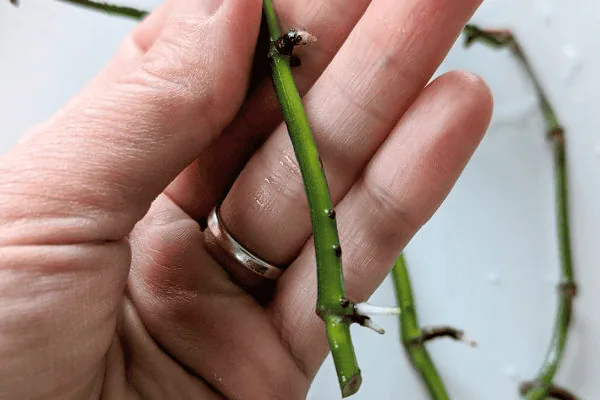
Propagation is one of the most satisfying parts of owning pothos, and it could not be simpler. The key is the node, the small bump on the stem where leaves and roots emerge.
Step-by-Step Cuttings
- Use clean scissors to cut a healthy stem just below a node, including a few leaves.
- Place the cutting in water or directly in moist potting mix, keeping at least one node submerged or buried.
- Set it in bright, indirect light and refresh the water every few days if rooting in water.
- Wait for roots to grow a couple of inches, usually within a few weeks.
- Pot rooted cuttings into well-draining soil and water them in.
You can plant several rooted cuttings together for a fuller pot, or pass them along to share the plant with others.
Safety for Pets and Children
This is the most important caution for any pothos owner. Pothos contains insoluble calcium oxalate crystals, which can cause irritation if the plant is chewed or swallowed. The ASPCA Poison Control resource lists devil’s ivy (Epipremnum aureum) as toxic to cats and dogs, and university extension sources note it can irritate the mouth and digestive tract of humans as well.
Typical signs in pets may include oral irritation, drooling, and difficulty swallowing. To stay safe:
- Keep pothos out of reach of curious pets and young children, such as on high shelves or in hanging baskets.
- Wash your hands after handling cuttings, as the sap can irritate skin.
- If you suspect ingestion, contact a veterinarian, doctor, or poison control center promptly.
This caution does not make pothos unsafe to own; it simply means placement and supervision matter in homes with pets or small children.
Best Ways to Style Pothos at Home
Beyond care, pothos shines as a design element. Its trailing vines suit many spaces, and a little creativity goes a long way.
- Hanging baskets — let vines cascade for a soft, green curtain effect.
- Shelves and bookcases — drape stems along the edges for a relaxed, lived-in look.
- Moss poles or trellises — train pothos upward for larger leaves and a climbing display.
- Bathrooms — pothos enjoys humidity, so a bright bathroom can be a great spot if it has enough light.
- Mixed plant groupings — combine pothos with other easy plants while keeping each one easy to reach for watering.
Whatever style you choose, leave yourself simple access for occasional pruning and watering.
Is Pothos Right for You?
Pothos is an excellent match for a wide range of people. Beginners appreciate how forgiving it is, renters value a plant that adapts to imperfect light, and office workers like greenery that survives weekends and vacations. Anyone wanting resilient, attractive plants with minimal fuss will likely be happy with pothos.
The main consideration is safety: homes with curious pets or small children should plan placement carefully because of the plant’s toxicity if chewed. If you can manage that, pothos offers one of the best ratios of beauty to effort in the houseplant world.
Conclusion
The pothos plant earns its reputation as easy indoor greenery through genuine resilience, flexible styling, and effortless propagation rather than through overstated promises. Treat the popular air-purifying claims with nuance, keep the vines away from pets and children, and follow a few simple rules for light, water, and drainage. Do that, and you will have a lush, low-maintenance companion that rewards even the busiest plant owner with steady, trailing greenery for years to come.
Official references
- ASPCA Poison Control: Devil's Ivy – Primary pet-toxicity reference for pothos, listing Epipremnum aureum, toxic principles, affected animals, and clinical signs.
- North Carolina Extension Gardener Plant Toolbox: Epipremnum aureum – University extension profile covering pothos identification, indoor care, propagation, overwatering risks, and toxicity to humans and pets.
- Plants of the World Online, Kew Science: Epipremnum aureum – Authoritative botanical taxonomy source for accepted scientific name, synonyms, native range, and distribution.
- NASA Technical Reports Server: Interior Landscape Plants for Indoor Air Pollution Abatement – Primary source behind common houseplant air-purifying claims; useful for accurately framing that the original research used sealed experimental chambers and specific test conditions.
- Journal of Exposure Science & Environmental Epidemiology: Potted plants do not improve indoor air quality – Peer-reviewed review that contextualizes and challenges overstated VOC-removal claims for potted plants in normal buildings.
