
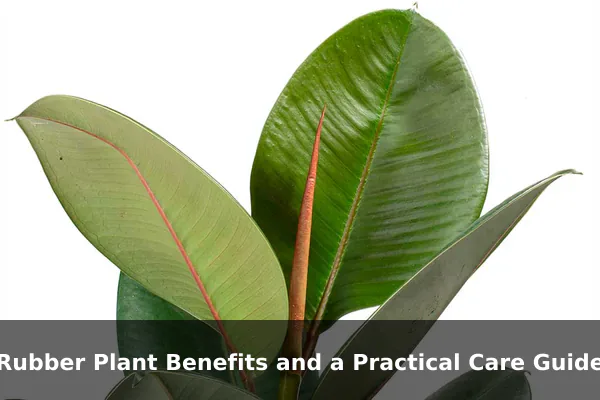
A rubber plant is one of those rare houseplants that looks dramatic without demanding a complicated routine. With its broad, glossy leaves and upright shape, it can make a room feel more finished, more lively, and more intentional. That visual impact is a major reason why so many beginners and long-time plant owners keep returning to this classic indoor favorite.
Beyond appearance, the appeal of a rubber plant comes from balance. It is stylish but not fussy, bold but still easy to fit into a living room, office, bedroom, or entryway. It grows with enough structure to become a statement plant, yet the day-to-day care remains realistic for busy people who do not want an overly sensitive houseplant.
This guide focuses on the practical side of growing a rubber plant successfully indoors. You will learn what makes it popular, which benefits are most worth noticing, where to place it, how to build a simple care routine, and how to solve the most common problems before they become serious. If you want a houseplant that brings strong design value and manageable upkeep, the rubber plant deserves a close look.
What Makes a Rubber Plant So Popular?
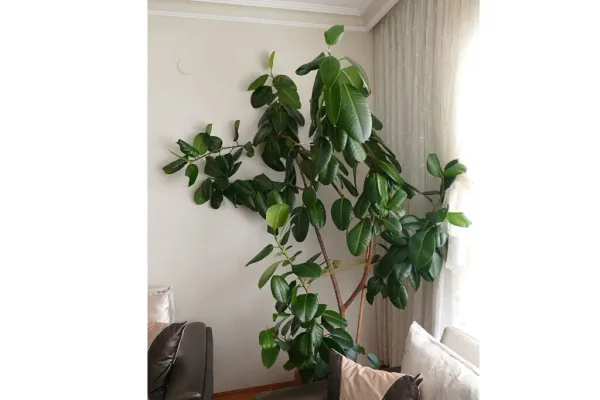
The rubber plant, commonly known from the Ficus elastica group, is prized for its thick leaves, strong stems, and clean architectural form. Unlike trailing plants that soften shelves or tiny potted plants that disappear into the background, a rubber plant has presence. Even a medium-sized specimen can anchor a space and give it a more polished feel.
Its popularity also comes from how adaptable it can be indoors. While it appreciates good conditions, it usually does not require the constant attention that some tropical houseplants demand. A steady watering rhythm, bright indirect light, and decent drainage are often enough to keep it attractive for the long term.
Its leaves create instant visual impact
Rubber plant leaves are thick, smooth, and naturally glossy. Depending on the variety, they may appear deep green, burgundy, or variegated with cream and green patterns. That sheen gives the plant a fresh, healthy look even when the rest of the room is simple.
It suits modern indoor spaces
Many houseplants are loved for softness or fullness, but a rubber plant is often chosen for structure. It fits especially well in:
- Minimalist living rooms
- Home offices that need a strong focal point
- Bedrooms with bright filtered light
- Entryways that benefit from vertical greenery
- Small apartments where floor space matters
Because it grows upward more than outward in many indoor setups, it can deliver presence without taking over the room.
It offers a realistic path for beginners
Some beginners want a plant that feels rewarding quickly. A rubber plant works well because visible improvements are easy to notice. Healthy leaves stay firm and shiny, new growth emerges from protective sheaths, and the overall shape becomes more impressive over time. When something is wrong, the plant often shows readable signals, such as drooping, yellowing, or leaf drop, which makes care adjustments easier to learn.
Key Benefits of Keeping a Rubber Plant Indoors
The biggest rubber plant benefits go beyond simple decoration. This is a plant that can shape how a room looks and feels while still fitting into a manageable care routine. That combination is a major reason it stays relevant in homes, apartments, and workspaces.
1. Strong decorative value with very little clutter
A rubber plant can do the work of several smaller plants in one container. Its size, leaf shine, and upright habit help it stand out without creating visual mess. If you want your indoor greenery to feel intentional rather than scattered, this is a smart choice.
It is especially useful for people who want:
- One large statement plant instead of many small pots
- A plant that complements wood, neutral tones, and modern furniture
- A bold look without flowers, heavy fragrance, or delicate stems
2. A room can feel calmer and more alive
Plants can change the mood of a space even when their effect is mostly visual. A rubber plant introduces natural form, color, and texture into indoor environments that might otherwise feel flat. Its large leaves soften hard surfaces such as desks, shelves, tile, and painted walls.
Many people also feel that a room with healthy greenery seems fresher and more comfortable. It is important to keep expectations realistic: a rubber plant is not a replacement for cleaning, ventilation, or humidity control. Still, it can contribute to a more welcoming indoor atmosphere and a stronger sense of connection to nature.
3. It grows vertically, which helps in small spaces
Not every home has space for wide-spreading houseplants. One of the practical rubber plant benefits is its ability to provide height without sprawling far beyond its pot. That makes it useful for apartments, narrow corners, and rooms where floor space is limited.
You can place a rubber plant:
- Beside a sofa
- Near a bright window with filtered light
- In a quiet office corner
- Next to a reading chair
- At the edge of a dining area
In each case, it adds a vertical line that helps the room feel layered rather than crowded.
4. It has a forgiving care profile
The plant is not indestructible, but it is far from the most difficult indoor species. Once you understand the basics, care becomes predictable. It likes consistency more than complexity. That means the average plant owner can succeed by paying attention to a few key habits instead of managing an elaborate schedule.
5. It can stay attractive through the seasons
Many indoor plants have periods where they look sparse, leggy, or tired. A well-kept rubber plant tends to hold a more stable appearance. Its leaves remain decorative even when growth slows, which is useful if you want year-round indoor greenery that does not depend on blooms.
6. It is easy to pair with other houseplants
If you already grow pothos, snake plants, spider plants, or peace lilies, a rubber plant adds contrast. Those species often provide trailing movement, narrow leaves, or softer foliage. The rubber plant contributes thicker, broader leaves and a more upright silhouette, making your indoor collection look more balanced.
Where to Place a Rubber Plant for Best Growth
Placement influences almost everything about this plant: leaf size, stem strength, color, and overall growth pattern. Many rubber plant problems begin with poor positioning, so getting this step right saves effort later.
Bright indirect light is the ideal target
The best place for a rubber plant is usually near a bright window where it receives plenty of light without long periods of harsh direct sun. Bright indirect light helps the plant keep compact growth and healthy leaf color.
Good examples include:
- A few feet back from a south-facing or west-facing window
- Close to an east-facing window with gentle morning light
- Near a bright window with a sheer curtain
If you grow a variegated variety, light becomes even more important. Variegated leaves have less green tissue, so they usually need stronger filtered light to maintain their pattern.
Be cautious with intense afternoon sun
A little direct light may be fine in some homes, especially if it is gentle morning light. Strong afternoon sun, however, can scorch leaves or create faded, stressed patches. If the leaves develop burnt-looking spots or pale areas, move the plant slightly farther from the window or diffuse the light.
Low light slows growth and weakens structure
A rubber plant may survive in lower light for a while, but it often stops looking its best. Signs of insufficient light include:
- Long gaps between leaves
- Leaning toward the window
- Smaller new leaves
- Dull color
- Slower or stalled growth
If you notice these patterns, repositioning the plant is often more effective than adding extra fertilizer.
Choose a stable location
Rubber plants do not love frequent environmental stress. Avoid placing one in a spot with repeated drafts, blast-level air conditioning, or strong heat from vents and radiators. Sudden changes can lead to leaf drop or slower recovery from normal maintenance.
Try to choose a location that offers:
- Steady room temperature
- Consistent light exposure
- Enough space for the plant to grow upward
- Easy access for watering and leaf cleaning
Rotate the pot for even growth
One practical tip that many beginners overlook is pot rotation. When a rubber plant receives light mostly from one side, it naturally leans toward the source. Turn the pot a little every few weeks so all sides receive attention. This helps maintain a straighter, fuller form.
A Practical Rubber Plant Care Routine
The easiest way to care for a rubber plant is to build a repeatable routine rather than reacting only when the plant looks stressed. You do not need a complicated schedule. You need a few good habits done consistently.
Water when the top layer of soil dries
The most common mistake with rubber plants is overwatering. They prefer soil that dries slightly between waterings. A useful approach is to check the top 1 to 2 inches of soil with your finger before watering. If that layer still feels moist, wait a bit longer.
When it is time to water:
- Water slowly and evenly across the soil surface.
- Let excess water drain fully from the pot.
- Do not leave the pot sitting in water for long periods.
This method keeps roots hydrated without trapping them in soggy soil. In brighter, warmer months, you may water more often. In cooler months or lower light, the plant usually needs less.
Use a loose, well-draining potting mix
Rubber plants want moisture retention with airflow. Heavy, compacted soil can suffocate roots and increase the chance of rot. A quality indoor potting mix with drainage support works well. Many growers prefer a mix that includes materials such as perlite, bark, or coarse amendments that prevent the soil from becoming dense.
A practical soil profile should provide:
- Drainage after watering
- Enough moisture for the roots to absorb steadily
- Air pockets that keep the root zone healthier
Choose a pot with drainage holes
This is non-negotiable for long-term success. A decorative container may look attractive, but if it traps water at the bottom, the roots remain at risk. Use a nursery pot or any container with proper drainage holes. If you prefer a decorative outer pot, place the planted container inside it and empty any extra water after watering.
Keep temperatures comfortably warm
Rubber plants generally prefer typical indoor temperatures. They are happiest where people are comfortable too. Cold drafts, sudden chills, and repeated temperature swings can trigger stress.
As a general rule, aim for:
- Warm, stable indoor conditions
- No exposure to cold windows in harsh weather
- No direct blast from heaters or air conditioners
Moderate humidity is usually enough
Unlike some tropical plants that quickly show distress in dry air, rubber plants are often more adaptable. Average household humidity is usually acceptable, though very dry indoor air may contribute to crispy leaf edges. If your home is extremely dry, grouping plants together or using simple humidity support can help, but do not overcomplicate the setup unless the plant is clearly struggling.
Feed lightly during active growth
Rubber plants are not heavy feeders. During the growing season, a balanced houseplant fertilizer applied at a moderate rate can support steady development. Too much fertilizer can do more harm than good, especially when the plant is not actively growing.
A practical feeding routine might be:
- Feed during spring and summer
- Reduce or stop feeding in slower winter months
- Never fertilize a severely stressed or waterlogged plant first
Keep the routine simple
If you want a realistic care rhythm, this one works well:
- Check soil moisture once or twice a week.
- Water only when the top layer is dry.
- Observe new growth and leaf condition.
- Rotate the plant every few weeks.
- Wipe leaves when dust becomes visible.
- Feed lightly in the active growing season.
This kind of consistency matters more than chasing plant hacks.
How to Prune, Clean, and Repot It
Basic maintenance keeps a rubber plant attractive and manageable. These tasks are not difficult, but doing them at the right time can improve shape, leaf health, and root performance.
Pruning helps control size and encourage branching
If your rubber plant becomes too tall, sparse, or top-heavy, pruning can improve its form. Cutting back a stem encourages the plant to redirect energy and can help create a bushier look over time.
Prune with clean, sharp tools and focus on:
- Removing damaged or unhealthy leaves
- Shortening overly tall stems
- Improving balance if the plant has grown unevenly
Because rubber plants produce a milky sap when cut, handle pruning carefully and keep the plant away from children or pets during the process.
Clean the leaves to improve appearance and function
Large leaves collect dust surprisingly fast. A dusty rubber plant not only looks dull but may also have a harder time making the most of available light. Wiping the leaves with a soft damp cloth helps restore their shine naturally.
Leaf cleaning is worth doing because it:
- Makes the plant look healthier immediately
- Removes dust buildup
- Lets you inspect for pests or damage
- Supports better light exposure across the leaf surface
Avoid heavy leaf-shine products that leave residue. Simple cleaning is usually best.
Repot only when the plant actually needs it
Rubber plants do not need constant repotting. In fact, moving them too often can create unnecessary stress. Repot when roots begin circling heavily, pushing from drainage holes, or causing the soil to dry out unusually fast.
Signs it may be time to repot include:
- Roots visible from the bottom of the pot
- Water running through too quickly because the root ball is crowded
- Slowed growth despite otherwise good care
- The plant becoming unstable in its container
How to repot step by step
- Choose a pot only slightly larger than the current one.
- Prepare a fresh, well-draining potting mix.
- Gently remove the plant from its old pot.
- Loosen tightly bound roots if needed.
- Place it at the same depth in the new pot.
- Fill around the root ball and press lightly.
- Water thoroughly and let excess drain away.
A pot that is too large can hold excess moisture for too long, so size up gradually rather than dramatically.
Common Rubber Plant Problems and Easy Fixes
Even an easy-care plant can struggle if one part of the environment is off. The good news is that rubber plant problems are often fixable when you identify the pattern early.
Yellow leaves
Yellowing leaves commonly point to watering issues, especially overly wet soil. If multiple leaves yellow at once and the potting mix stays damp for too long, reduce watering frequency and check drainage.
Fixes to try:
- Let more of the topsoil dry before watering again
- Confirm the pot has drainage holes
- Use a lighter, better-aerated mix if the soil feels heavy
- Check whether the plant is sitting in collected water
Leaf drop
Rubber plants may drop leaves after sudden stress. A move to a darker room, a cold draft, irregular watering, or abrupt environmental change can all contribute.
Look for recent changes such as:
- A new location with less light
- Missed waterings followed by heavy watering
- Exposure to cold air or strong airflow
- Repotting shock
Stabilize conditions and avoid making multiple corrections at once.
Brown edges or crispy tips
Brown leaf edges can result from dry air, inconsistent watering, mineral buildup, or root stress. Start by checking soil moisture habits. If the plant swings from very dry to very wet, that inconsistency often shows up at the leaf margins.
Leggy or leaning growth
This almost always comes back to insufficient or uneven light. A rubber plant that stretches is telling you it wants a brighter position. Move it closer to a bright window and rotate it regularly. If the shape is already awkward, pruning may help it regrow more evenly.
Drooping leaves
Drooping can mean thirst, waterlogged roots, or temperature stress. The key is to check the soil instead of guessing. Dry soil suggests the plant needs water. Constantly wet soil suggests the roots are struggling. The same symptom can point to opposite causes, so the root zone matters most.
Pests on leaves and stems
Rubber plants can occasionally attract common indoor pests such as spider mites, scale, or mealybugs. Regular leaf inspection helps you catch these early. Wiping the leaves and isolating the plant if pests appear can prevent a small issue from spreading.
If you suspect pests:
- Inspect both sides of the leaves.
- Clean visible residue or insects gently.
- Separate the plant from others for observation.
- Repeat treatment as needed until activity stops.
Is a Rubber Plant Right for Your Home?
Not every plant fits every lifestyle, but a rubber plant works well for many indoor growers because it combines structure, beauty, and moderate care needs. It is especially well suited to people who want a noticeable plant without building an advanced plant-care system.
It is a strong choice for beginners
If you are new to houseplants, a rubber plant offers clear feedback and a manageable care routine. It does not require daily attention, and its needs are easier to understand than many delicate tropical species.
It suits busy households
People with work, travel, or packed schedules often need plants that can tolerate a sensible routine rather than constant hovering. A rubber plant rewards regular care, but it usually does not expect perfection every day.
It works for design-focused plant owners
Some people choose plants mainly for appearance. If your priority is to create a focal point, frame a room, or add a sculptural green element, a rubber plant delivers more visual weight than many common houseplants in the same care range.
When it may not be the best fit
A rubber plant may be less suitable if your space is extremely dark, very cold, or too cramped for upright growth. It is also worth noting that the sap can be irritating, so households with curious pets or small children should place the plant carefully and handle pruning with caution.
Ask yourself these questions:
- Do I have bright indirect light available?
- Can I avoid overwatering?
- Do I want a plant with height and presence?
- Do I prefer steady foliage over frequent flowers?
If the answer is mostly yes, a rubber plant is likely a smart addition to your home.
Quick Rubber Plant Care Checklist
If you want a simple summary to remember, use this checklist as your everyday reference.
Essential care points
- Light: Bright indirect light is best; avoid long periods of harsh afternoon sun.
- Water: Water when the top 1 to 2 inches of soil feel dry.
- Soil: Use a loose, well-draining indoor potting mix.
- Pot: Always choose a container with drainage holes.
- Temperature: Keep conditions warm and steady.
- Humidity: Average indoor humidity is usually acceptable.
- Feeding: Fertilize lightly during active growth.
- Cleaning: Wipe leaves regularly to remove dust.
- Pruning: Trim to control height and encourage fuller shape.
- Repotting: Repot only when roots outgrow the pot.
Quick troubleshooting guide
- Yellow leaves: Usually too much water or poor drainage.
- Leaf drop: Often stress from sudden environmental change.
- Brown edges: Check watering consistency and dry air.
- Leggy growth: Increase light exposure.
- Drooping: Inspect soil to determine if it is too dry or too wet.
Conclusion
The lasting appeal of a rubber plant comes from how much it offers for relatively little complexity. It brings shine, height, structure, and a polished indoor look, while still fitting into a practical care routine that most plant owners can manage. That balance is one of its biggest strengths.
If you want a houseplant that feels substantial rather than temporary, the rubber plant is an excellent option. Give it bright indirect light, let the top layer of soil dry between waterings, keep it in a draining pot, and handle maintenance with simple consistency. In return, you get a plant that can grow into a bold and dependable part of your home for years.
